


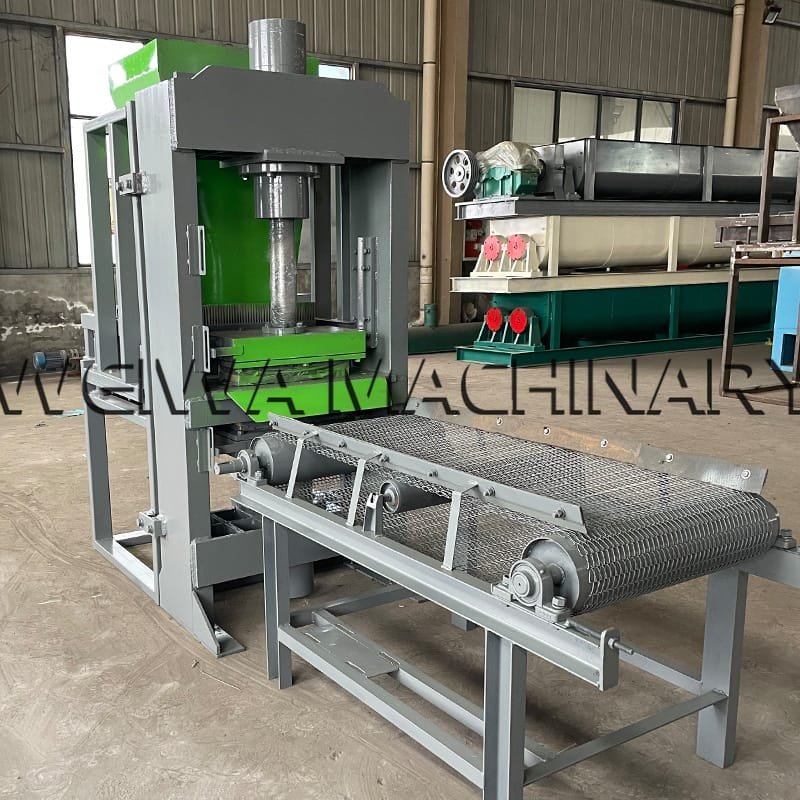
In an era where sustainable energy and efficient waste management are no longer optional but imperative, hydraulic press briquetting machines stand as a transformative technology bridging industrial needs and environmental responsibility. At Weiwa Machinery, with over thirty years of expertise in manufacturing robust machinery solutions, we have witnessed firsthand how hydraulic briquette presses are revolutionizing biomass utilization—especially in markets like Uganda, where agricultural residues and organic waste present untapped potential for clean fuel production.
Understanding the Hydraulic Briquette Press A Foundation for Innovation
At the heart of modern briquetting lies the hydraulic press briquetting machine, a device that converts loose biomass, agricultural waste, or industrial residues into dense, high-calorific fuel bricks through controlled pressure application. Unlike mechanical presses, hydraulic systems leverage fluid power to generate consistent, adjustable force, ensuring uniform briquette density and minimizing material waste. For clients in Uganda, where smallholder farmers and local enterprises grapple with surplus crop stalks, sawdust, or coffee husks, this technology offers a dual solution: reducing open burning of waste (a major source of air pollution) and creating a marketable alternative to charcoal or firewood.
The hydraulic briquette press operates on a simple yet precise principle. Raw materials are first shredded or crushed to a uniform size, then fed into a compression chamber. A hydraulic pump drives a piston that applies immense pressure—often ranging from 100 to 300 tons—forcing the material into molds. The resulting briquettes, typically cylindrical or rectangular, boast low moisture content and high energy density, making them ideal for cooking, heating, or even small-scale industrial use. What sets hydraulic systems apart is their adaptability; they can process diverse feedstocks, from sugarcane bagasse to rice husks, without compromising output quality.
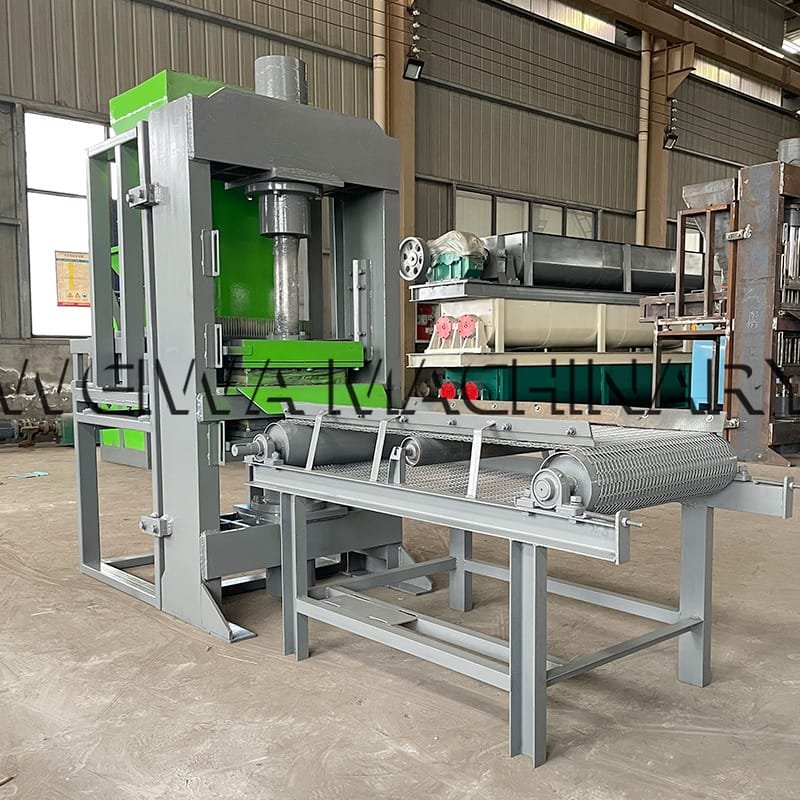
Why Uganda Embraces the Hydraulic Briquette Machine A Market Ripe for Growth?
Uganda’s unique socio-economic and ecological landscape makes it a prime candidate for hydraulic briquette adoption. As a nation with over 80% of its population reliant on biomass for cooking, deforestation rates remain alarmingly high—Uganda loses approximately 122,000 hectares of forest annually, according to FAO data. Simultaneously, the country generates vast quantities of agricultural waste: maize stalks, cotton stems, and coffee pulp, much of which is discarded or burned, contributing to greenhouse gas emissions.
Here, the hydraulic briquette machine emerges as a game-changer. By transforming these “waste” streams into clean-burning fuel, it addresses two critical challenges: energy access and environmental conservation. Local entrepreneurs in Uganda have already begun leveraging small-scale hydraulic briquette presses to create micro-enterprises, selling briquettes at prices competitive with traditional charcoal but with lower production costs. Moreover, government initiatives promoting renewable energy and waste-to-wealth programs align seamlessly with the technology’s benefits, creating a supportive policy environment for scaling up.
For Weiwa Machinery, understanding Uganda’s market nuances has been key to designing solutions that resonate locally. Our hydraulic briquette machine for Uganda incorporates features like dust-proof chambers (to handle fine agro-waste) and energy-efficient pumps (critical in regions with intermittent power supply). During client consultations, we prioritize assessing feedstock availability, target customer segments (e.g., urban households vs. rural eateries), and logistical constraints to ensure the machine integrates smoothly into existing operations.
Trial by Fire Testing the Hydraulic Briquette Machine in Uganda
Recently, we had the privilege of conducting a live trial of our hydraulic press briquetting machine for a Ugandan client, a social enterprise focused on empowering women-led cooperatives through green energy. The trial, held at their facility in Kampala, aimed to validate the machine’s performance with locally sourced materials and train the team on operation and maintenance.
Pre-Trial Preparation Aligning Technology with Local Realities
Before the trial, our engineering team collaborated closely with the client to analyze their raw material profile. The primary feedstocks included dried cassava peels, maize cobs, and groundnut shells—materials abundant in Uganda’s agricultural belt but often underutilized. We adjusted the machine’s pre-crushing unit to handle mixed feedstocks of varying hardness, ensuring uniform particle size (a critical factor for consistent briquette formation). Additionally, we calibrated the hydraulic system to optimize pressure settings for the client’s desired briquette density (targeting 1.2–1.5 g/cm³ for prolonged burn time).
The Trial Process Precision Meets Practicality
On trial day, the atmosphere was charged with anticipation. The client’s team loaded the first batch of cassava peels into the hopper, and within minutes, the hydraulic press began compressing the material. The machine’s quiet hum (a testament to its low-noise design) belied the immense force at play—pistons moved steadily, shaping the feedstock into compact briquettes. Within an hour, we produced over 200 briquettes, each measuring 50mm in diameter and 100mm in length.
Key observations during the trial underscored the machine’s reliability. First, the briquettes exhibited excellent cohesion, with minimal breakage during handling—a crucial advantage for transportation and storage. Second, combustion tests revealed a calorific value of 18–20 MJ/kg, surpassing that of traditional charcoal (15–17 MJ/kg) and burning cleaner with less smoke. Perhaps most importantly, the client noted that the machine’s user-friendly control panel allowed even non-technical staff to operate it after brief training, addressing a common barrier to technology adoption in emerging markets.
Post-Trial Insights Refining for Impact
Following the trial, we conducted a debrief session with the client, gathering feedback on throughput, energy consumption, and maintenance needs. While the machine performed flawlessly, we identified opportunities to enhance efficiency: for instance, integrating a solar-powered backup system to mitigate grid instability. This insight now informs our customization process for Ugandan clients, many of whom operate in off-grid or semi-urban areas.
The trial also highlighted the machine’s scalability. The client plans to expand production from 500 kg/day to 2,000 kg/day within six months, targeting bulk sales to schools and restaurants. Such growth potential aligns with our vision of positioning hydraulic briquette presses as catalysts for inclusive economic development in Uganda.
The Untapped Potential of Hydraulic Briquette Machines in Uganda’s Market
Beyond the trial, the broader market potential for hydraulic press briquetting machines in Uganda is staggering. Consider these trends:
Rising Demand for Clean Cooking Solutions
With urbanization accelerating (Uganda’s urban population is projected to reach 30% by 2030), demand for convenient, clean cooking fuels is surging. Briquettes, which require no special stoves and produce less indoor air pollution, are ideally suited to meet this need.
Government and Donor Support
Initiatives like Uganda’s National Bioenergy Policy and funding from organizations such as GIZ and UNDP are prioritizing renewable energy projects. Hydraulic briquette machines qualify for grants and technical assistance, lowering entry barriers for small businesses.
Circular Economy Opportunities
By closing the loop between agriculture and energy, hydraulic briquette presses enable circular economy models. For example, coffee cooperatives can convert processing waste into fuel, reducing disposal costs while generating revenue.
However, realizing this potential requires addressing challenges like limited technical know-how and initial capital investment. Here, Weiwa Machinery steps in with end-to-end support: from designing site layouts and providing 3D planning blueprints to offering flexible financing options and comprehensive training. Our professional after-sales team ensures minimal downtime, with spare parts available locally and remote troubleshooting capabilities.
Maximizing Returns with Customized Hydraulic Briquette Solutions
One size rarely fits all in machinery, especially in diverse markets like Uganda. At Weiwa Machinery, we pride ourselves on moving beyond off-the-shelf solutions to deliver customized hydraulic briquette machines tailored to each client’s unique needs.
For instance, a client in Jinja specializing in sawdust briquettes required a machine with a larger feeding throat to accommodate bulky wood waste. We modified the hopper design and upgraded the hydraulic pump to handle higher volumes, boosting throughput by 40%. Another client in Mbarara, focused on serving rural communities, needed a portable model with a smaller footprint. Our engineers reconfigured the frame and integrated wheels, enabling easy relocation between villages.
Such customization extends to software and controls as well. We offer multilingual interfaces (including Luganda and Swahili) and IoT-enabled monitoring systems that track production metrics in real time, empowering clients to optimize operations remotely. These value-added services not only enhance machine performance but also build long-term trust—a cornerstone of our three-decade legacy.
Conclusion Technology as a Bridge to Sustainability and Prosperity
The trial of our hydraulic press briquetting machine in Uganda reaffirmed what we at Weiwa Machinery have long believed: innovative machinery, when paired with localized support, can drive profound change. From converting agricultural waste into wealth to curbing deforestation, hydraulic briquette presses are more than just equipment—they are enablers of sustainable livelihoods.
As Uganda continues its journey toward a greener future, the demand for reliable, efficient hydraulic briquette machines will only grow. At Weiwa Machinery, we are committed to being more than a supplier; we are a partner in progress. With over 30 years of experience, a dedicated after-sales team, and a proven track record in customization and site planning, we invite you to explore how our hydraulic briquette solutions can transform your business. Reach out for inquiries, and let us help you turn raw potential into tangible success.
About Weiwa Machinery
Founded over thirty years ago, Weiwa Machinery has established itself as a trusted name in manufacturing high-performance hydraulic press briquetting machines and related equipment. Our expertise spans R&D, production, and after-sales service, with a focus on delivering tailored solutions that meet diverse industrial and environmental needs. Backed by a professional after-sales team, we offer comprehensive support including installation guidance, operator training, and 24/7 technical assistance. Whether you require customized machine designs, detailed site layout planning, or 3D drawings for facility setup, we are here to assist. Contact us today for inquiries and let us empower your journey toward sustainable innovation.


 Wechat

 +8615937143060
