


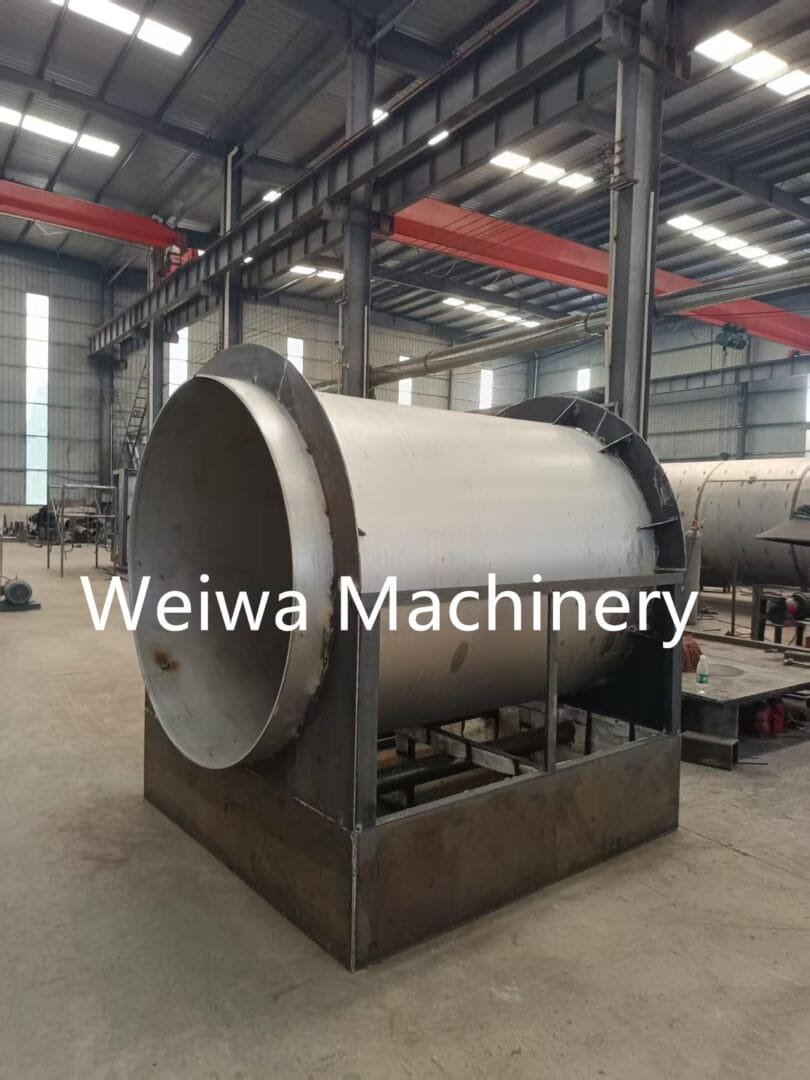
At Weiwa Machinery, we are proud to announce the successful shipment of our latest horizontal carbonization furnace to Uganda, marking another milestone in our mission to deliver advanced biomass processing solutions to emerging markets. This delivery is not just a logistical achievement but also an important step toward supporting Uganda’s growing demand for sustainable charcoal production technology.
The charcoal making machine for Uganda has been carefully engineered to handle diverse raw materials such as hardwood, bamboo, coconut shells, and agricultural residues.
Uganda’s economy relies heavily on agriculture and forestry, both of which generate significant amounts of organic waste each year. Traditionally, much of this biomass is either burned in open fields or processed through rudimentary charcoal methods that produce excessive smoke, low yields, and inconsistent product quality. These outdated practices result in wasted resources, unnecessary deforestation, and environmental degradation.
With urbanization accelerating and energy demands rising, Uganda requires modern carbonization furnaces capable of converting biomass into high‑quality charcoal with minimal emissions. The horizontal carbonization furnace addresses these challenges by offering continuous operation, precise temperature control, and efficient recovery of combustible gases. For producers, this means higher profitability, improved product consistency, and compliance with environmental regulations.
Horizontal Carbonization Furnace Overview
Our horizontal carbonization furnace is designed for ease of use, reliability, and adaptability. It consists of a rail‑mounted barrel chamber that allows straightforward loading and unloading of feedstock. Unlike vertical designs, the horizontal configuration enables smoother material flow and better heat penetration throughout the carbonization process.
Indirect heating technology ensures even thermal distribution, preventing localized overheating and safeguarding charcoal quality. A built‑in gas purification system captures and recycles combustible gases generated during carbonization, feeding them back into the burners. This closed‑loop approach stabilizes operating temperatures—typically maintained around 600°C—while significantly reducing external fuel consumption.
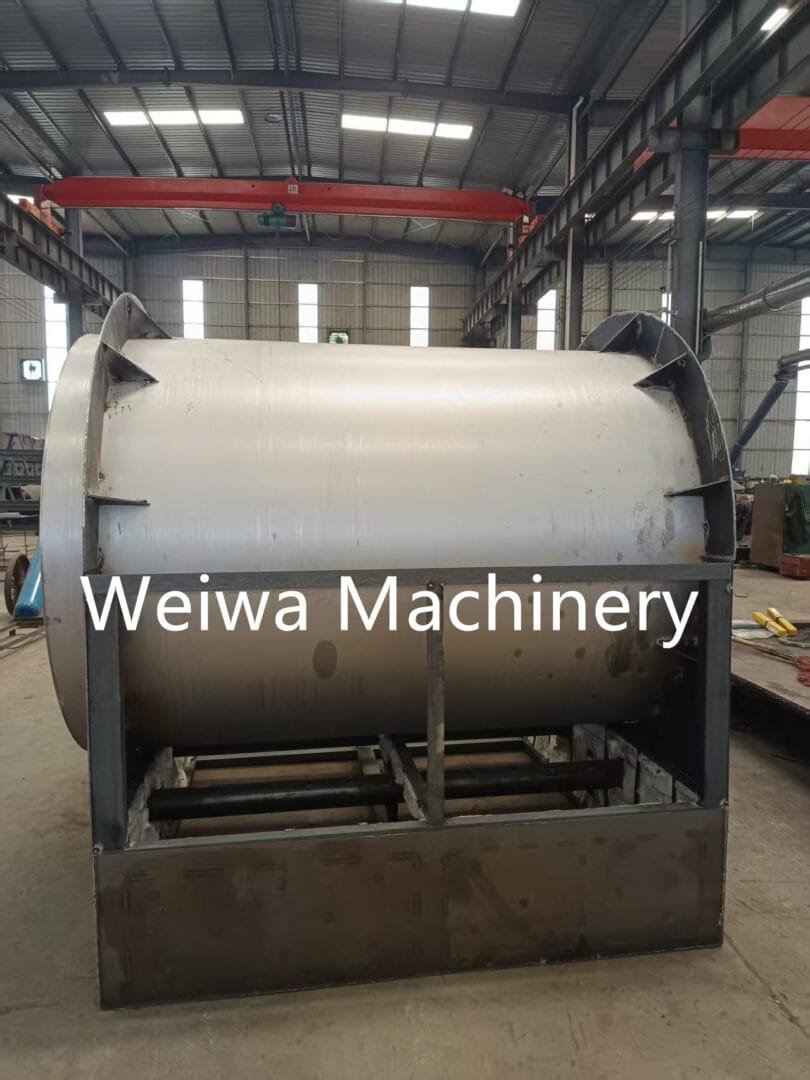
Key design highlights include:
- Balanced heat distribution for uniform charcoal quality
- Automated operation to reduce manual labor
- Compact footprint suitable for small and medium‑scale facilities
- Minimal maintenance requirements for extended uptime
These features make the charcoal making machine for Uganda an ideal choice for both independent operators and larger cooperatives seeking dependable performance.
On‑Site Testing Results in Uganda
Before shipping, our technical team conducted comprehensive trials using feedstocks commonly found in Uganda. During testing, the horizontal carbonization furnace processed hardwood logs, bamboo segments, and coconut shells with consistent efficiency.
Trial data showed charcoal yields exceeding the regional industry average. The produced charcoal exhibited uniform carbonization, low moisture content, and strong structural integrity—qualities highly valued in both domestic and export markets. Smoke emissions were minimal due to the integrated purification system, ensuring compliance with environmental standards.
Local operators who participated in the trials praised the machine’s stability under varying feedstock conditions. Even when switching between different raw materials mid‑production, the furnace maintained steady performance without requiring major adjustments.
Economic Impact for Ugandan Producers
For charcoal producers in Uganda, adopting the horizontal carbonization furnace translates into measurable economic benefits. Reduced fuel consumption lowers operational costs, while higher yields per ton of feedstock increase revenue potential. The ability to process multiple raw materials also provides flexibility to respond to seasonal biomass availability.
In addition, producing cleaner charcoal helps suppliers meet stricter quality requirements from international buyers, opening opportunities for export beyond East Africa. Lower smoke emissions further enhance community acceptance and regulatory compliance, reducing the risk of operational disruptions.
By integrating the charcoal making machine for Uganda into their operations, producers can shift from traditional, labor‑intensive methods to a streamlined, technology‑driven process that maximizes return on investment.
Environmental Benefits of Modern Carbonization Technology
Sustainable development is a core priority for Weiwa Machinery. Our carbonization furnace incorporates several eco‑friendly features designed to minimize environmental impact.
The gas recycling system prevents the release of unburned volatile compounds into the atmosphere. Heat recovery mechanisms lower overall energy consumption, reducing the carbon footprint of each production cycle. Furthermore, by enabling the use of agricultural residues and forestry waste, the furnace helps reduce pressure on natural forests, supporting conservation efforts.
These environmental advantages align with Uganda’s national goals for clean energy adoption and climate change mitigation, making the horizontal carbonization furnace not only an economic asset but also a tool for responsible resource management.
Market Outlook for Horizontal Carbonization Furnaces in Uganda
Uganda’s biomass resources remain abundant, yet much of this potential is underutilized due to limited access to advanced processing equipment. As awareness grows regarding the benefits of modern carbonization technology, demand for charcoal making machines in Uganda is expected to rise steadily.
The versatility of the horizontal carbonization furnace positions it well for widespread adoption. Its ability to handle diverse feedstocks ensures relevance across different regions, from rural farming communities to urban industrial zones. Moreover, the scalability of the design allows producers to start with a single unit and expand capacity over time.
Industry analysts forecast strong growth in Uganda’s charcoal sector, driven by both domestic consumption and export opportunities. By investing early in efficient carbonization solutions, Ugandan producers can secure a competitive advantage in this expanding market.
Installation and After‑Sales Support
Weiwa Machinery provides end‑to‑end support for every horizontal carbonization furnace delivered to Uganda. Our services include on‑site installation guidance, operator training, and ongoing technical assistance. Spare parts are readily available to minimize downtime and maintain consistent productivity.
We understand that adopting new technology involves a learning curve, especially for operators transitioning from traditional methods. That is why our support team works closely with clients to ensure smooth integration into existing workflows. This commitment to customer success has earned Weiwa Machinery a reputation for reliability across more than 50 countries.
About Weiwa Machinery
Weiwa Machinery is a leading manufacturer of biomass and charcoal processing equipment, serving clients worldwide. With a global customer base exceeding two million users, we specialize in designing machines that combine durability, energy efficiency, and practical functionality.
Our product range includes horizontal carbonization furnaces, rotary kilns, briquetting machines, and auxiliary equipment tailored to local market needs. Each machine undergoes rigorous testing before leaving our factory, ensuring consistent performance under real‑world conditions.
We believe that sustainable industrial growth requires not only advanced technology but also strong partnerships with our customers. By delivering reliable equipment and responsive support, Weiwa Machinery helps businesses thrive while contributing to a cleaner, more resource‑efficient future.
Contact Us
Mob / WhatsApp: +8613838093177
Email: info@cjlmachinegroup.com


 Wechat

 +8615937143060
