


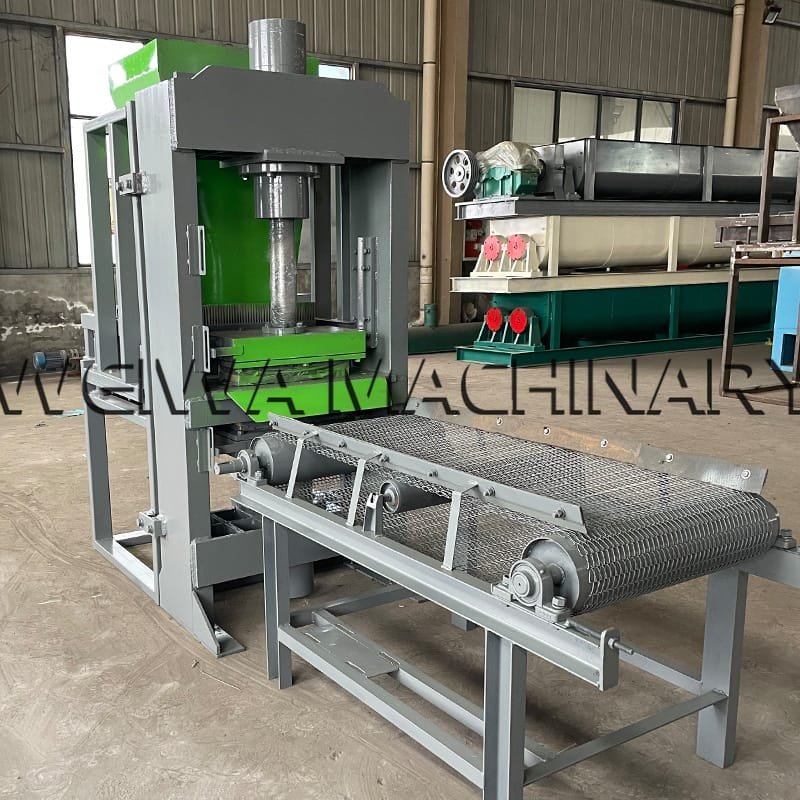
In today’s rapidly evolving industrial landscape, energy efficiency and sustainable production have become more than trends—they are imperatives. At Weiwa Machinery, we take pride in engineering robust and intelligent machinery solutions that not only meet but exceed these global demands. One shining example of our commitment is the recent successful test run of our hydraulic press briquetting machine for a client based in Tunisia. This endeavor reflects not only our technical capabilities but also highlights the growing potential of hydraulic briquette technology across Africa.
Understanding the Role of Hydraulic Press Briquetting Machine
The hydraulic press briquetting machine stands at the forefront of modern waste-to-energy conversion systems. It applies high pressure through hydraulic force to compact materials such as biomass, charcoal dust, metal shavings, and other granular residues into dense, manageable briquettes. These briquettes serve multiple purposes—from serving as renewable fuel alternatives to reducing material waste in industrial operations.
At Weiwa Machinery, our design philosophy emphasizes precision, power efficiency, and durability. Our hydraulic briquette press integrates advanced control systems with heavy-duty components capable of functioning under demanding environments, making it ideal for regions like Tunisia where reliability can directly impact productivity.
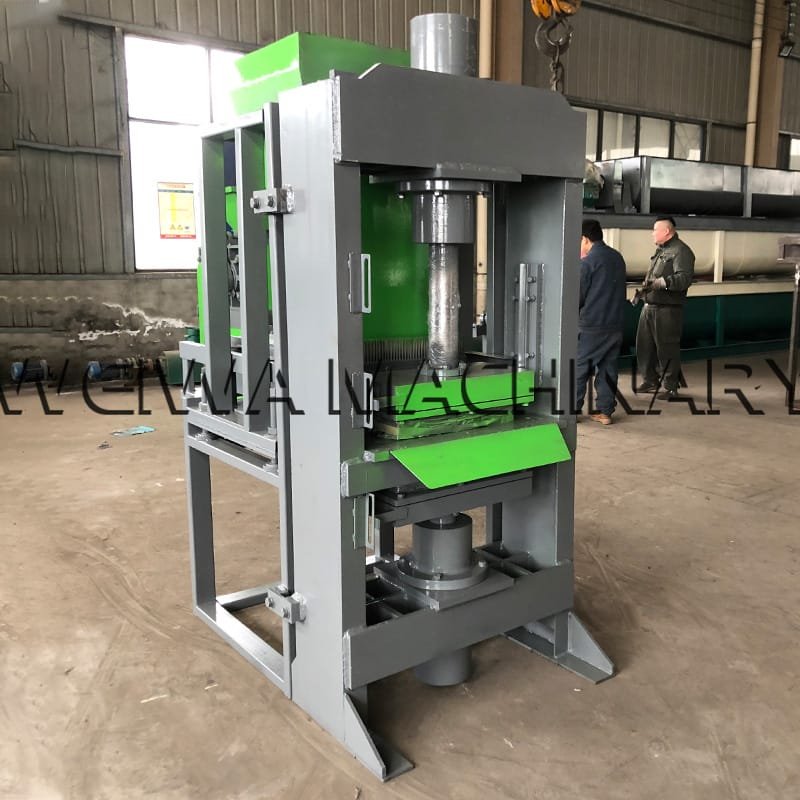
The Significance of Hydraulic Briquette in Tunisia
Tunisia, strategically located in North Africa, has been progressively investing in sustainable technologies to diversify its energy matrix and reduce reliance on imported fossil fuels. In this context, the application of hydraulic briquette machines offers an adaptable solution for both rural communities and urban industries.
Our recent collaboration in Tunisia allowed us to align our technology with local needs. During the trial, raw biomass sourced locally was processed into high-density briquettes using our hydraulic briquette machine for Tunisia. The output demonstrated excellent combustion properties and physical stability, key factors for adoption in cooking, heating, and small-scale industrial processes.
Furthermore, the introduction of hydraulic briquette press systems supports job creation in collection, processing, and distribution chains. For Tunisia, this means an opportunity to bolster its green economy while addressing unemployment in less developed areas.
Test Run Chronicles A Glimpse into Real World Application
Preparation for the Tunisia trial began weeks in advance. Our engineering team worked closely with the client to assess site conditions, input material types, and desired output specifications. Customization played a pivotal role. Unlike standard models, the unit deployed in Tunisia featured adjustable pressure settings and a corrosion-resistant frame tailored to withstand the dusty and arid climate.
Upon arrival, our technicians conducted on-site assembly and calibration, ensuring every cylinder and pump operated within optimal parameters. The hydraulic briquette machine was fed with a mixture of agricultural residue and wood chips. Within minutes, uniform briquettes emerged—dense, well-shaped, and ready for use.
Client feedback emphasized ease of operation and minimal downtime during the transition phase. Importantly, the machine’s automated pressure control reduced material waste significantly compared to mechanical presses previously tested. This outcome reinforced the value of deploying hydraulic briquette press systems in Tunisia’s emerging eco-industries.
Leveraging Hydraulic Technology for African Market Expansion
Africa’s diversity in natural resources and industrial maturity presents a compelling case for scaling hydraulic press briquetting machine applications. Countries rich in agricultural byproducts, metal waste, or coal fines stand to benefit immensely from briquetting technology. Yet, market penetration requires machines that balance affordability, ruggedness, and user-friendliness.
Weiwa Machinery has spent over three decades refining our equipment to match these criteria. Our machines are built to handle fluctuating power supplies, limited maintenance infrastructure, and variable raw material quality—challenges commonly faced across the continent.
The hydraulic briquette machine embodies this adaptability. With localized training programs and remote diagnostic support, we ensure that even operators with minimal technical background can achieve consistent results. In markets like Tunisia, Nigeria, Algeria, and Kenya, we see rising interest in compact hydraulic units suitable for small and medium enterprises.
Moreover, governments and international agencies are increasingly funding projects aimed at cleaner cooking and waste valorization. Hydraulic briquette press systems fit neatly within these frameworks, offering measurable environmental and socioeconomic benefits.
Engineering Excellence Behind Every Hydraulic Briquette Machine
Central to our success is a dedication to research-driven design. Each hydraulic press briquetting machine comprises a hydraulic pump station, compression chamber, control panel, and ejection system. Our engineers prioritize energy-efficient pumps that maintain pressure without excessive electricity consumption—an essential feature in regions facing energy constraints.
Material selection further enhances longevity. We utilize hardened steel alloys for dies and cylinders, ensuring resistance to wear from abrasive inputs. Seals and hydraulic fluids are chosen for thermal stability, critical in hot climates typical of many African nations.
Control systems range from manual to fully automated interfaces, depending on client needs. Automation allows precise regulation of pressing cycles, reducing human error and maximizing output uniformity. For Tunisia, we provided a semi-automatic configuration, enabling operators to intervene when necessary while benefiting from preset safety protocols.
Environmental and Economic Impacts in Focus
Adopting hydraulic briquette press technology contributes to multiple Sustainable Development Goals. By converting waste into usable fuel, industries lower their carbon footprint and reduce open burning of biomass—a major source of air pollution. Communities gain access to affordable, clean-burning fuel, which improves indoor air quality and reduces respiratory illnesses.
Economically, briquetting creates secondary income streams for farmers and waste collectors. Instead of discarding crop residues, they become raw materials for briquette production. Small businesses can operate compact hydraulic briquette machines with modest capital, fostering entrepreneurship.
In Tunisia, the successful trial sparked discussions about integrating such systems into national waste management strategies. Pilot programs combining municipal organic waste with industrial byproducts could amplify circular economy outcomes.
Training and Support Strengthening Local Capacity
A machine is only as effective as the people operating it. Weiwa Machinery accompanies every installation with comprehensive training modules. For our Tunisian client, we conducted hands-on workshops covering safety procedures, routine maintenance, troubleshooting, and quality control.
Our experienced after-sales team remains available for ongoing consultation. Whether adjusting pressure settings for new feedstock or replacing wear parts, clients receive timely guidance. This support framework is vital in building long-term confidence in hydraulic briquette technology.
Additionally, we offer customized service contracts, including periodic inspections and spare parts supply, ensuring uninterrupted operation. For African markets where logistics can pose challenges, our regional partnerships help streamline delivery and maintenance processes.
Future Prospects in Tunisia and Beyond
The positive reception of our hydraulic press briquetting machine in Tunisia signals promising horizons. We foresee expanding our presence through collaborations with local entrepreneurs, NGOs, and government bodies committed to sustainable development.
Future iterations of our hydraulic briquette machine will incorporate IoT-enabled monitoring, allowing remote performance tracking and predictive maintenance alerts. Such advancements will empower African operators with real-time insights, minimizing unplanned stoppages.
We also plan to develop smaller, solar-compatible models to serve off-grid communities. Given Tunisia’s ample sunlight, pairing solar panels with hydraulic briquette presses could unlock decentralized production models, particularly in remote rural areas.
Why Choose Weiwa Machinery?
With over thirty years of industry experience, Weiwa Machinery has cultivated a reputation for excellence in manufacturing hydraulic press briquetting machines and related equipment. Our commitment goes beyond supplying hardware; we engage deeply with clients to understand operational contexts and deliver solutions that create tangible value.
Our professional after-sales team ensures rapid response to inquiries and issues, safeguarding your investment. We specialize in customized services, tailoring each hydraulic briquette press to specific material characteristics and production goals. From initial design drawings to complete site planning, we guide you through every step, helping transform concepts into profitable, sustainable ventures.
If you are considering entering the briquetting sector in Tunisia or elsewhere in Africa, we invite you to contact Weiwa Machinery. Let us provide the expertise and machinery to elevate your operations and contribute to a greener future. Reach out today for inquiries and discover how our hydraulic briquette machines can work for you.
About Weiwa Machinery
Weiwa Machinery brings more than thirty years of dedicated experience in designing and manufacturing hydraulic press briquetting machines, hydraulic briquette presses, and associated equipment. Our strength lies in providing professional after-sales support, bespoke customization services, and detailed design and site planning assistance. We are committed to helping clients worldwide—including those in Tunisia and across Africa—achieve efficient, sustainable production through cutting-edge hydraulic briquette technology. Contact us today for inquiries and let us partner in building your success story.

 Wechat

 +8615937143060
