


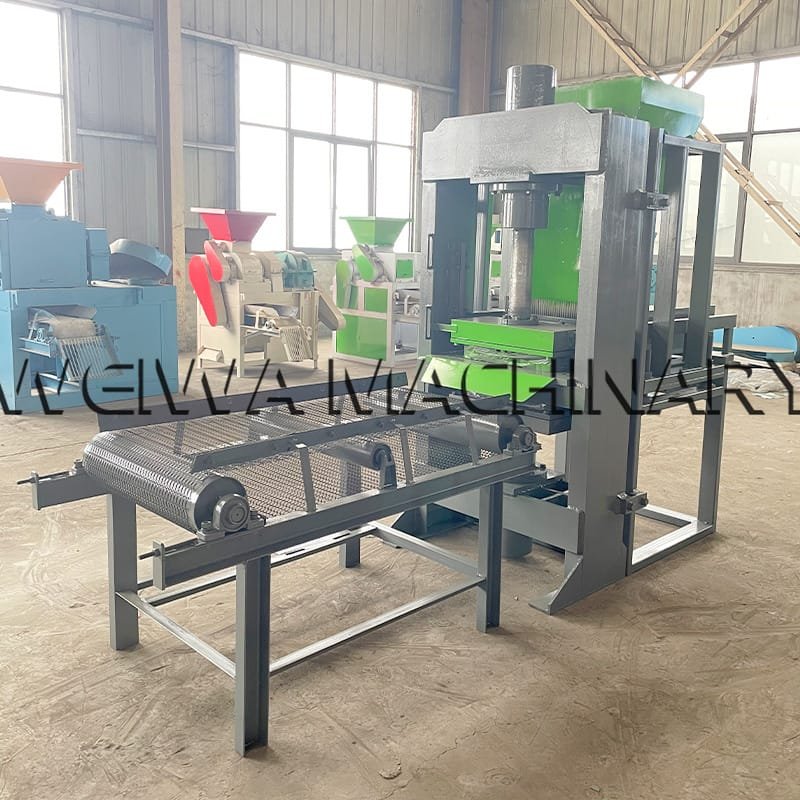
As global industries pivot toward sustainability and energy efficiency, hydraulic press briquetting machines have emerged as a transformative technology. En Weiwa Machinery, we have witnessed firsthand how these robust systems are reshaping biomass utilization across Southeast Asia, particularly in the Philippines.
Understanding Hydraulic Press Briquetting Machines
Hydraulic press briquetting machines operate by compressing raw biomass materials—such as sawdust, cáscaras de arroz, cáscara de coco, or agricultural residues—into dense, high-calorific briquettes using intense hydraulic pressure. Unlike mechanical presses, hydraulic systems deliver uniform force distribution, ensuring consistent briquette density and durability. For operators in the Philippines, where coconut byproducts and sugarcane bagasse are abundant, this technology converts waste into valuable fuel alternatives for industrial boilers, brick kilns, and household cooking.
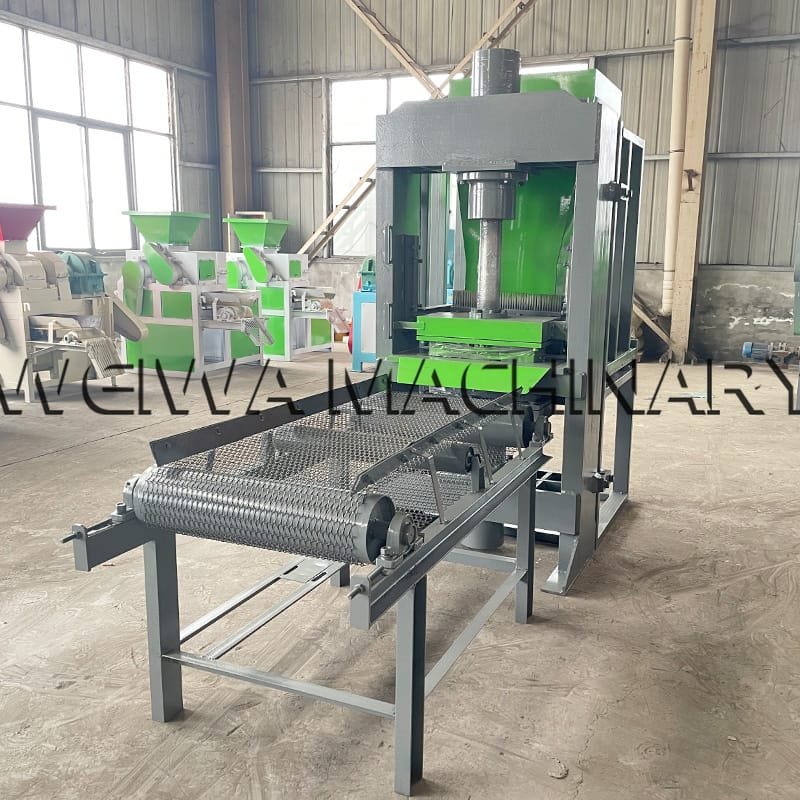
The core components include a hydraulic pump, cylinder assembly, mold chamber, and control panel. Advanced models integrate PLC automation for precision pressure adjustments, reducing operator dependency while maximizing output. During our latest trial at Weiwa Machinery’s facility, we tested a dual-mode hydraulic briquette machine capable of producing both cylindrical and pillow-shaped briquettes—adaptations requested specifically by a Philippine distributor targeting diverse end-users.
Why The Philippines Needs Hydraulic Briquette Presses?
The Philippine market presents unique opportunities for hydraulic briquette adoption. con más 30% of its population relying on biomass for cooking and heating, inefficient traditional fuels like firewood contribute to deforestation and indoor air pollution. Simultaneously, agricultural sectors generate massive volumes of underutilized waste: coconut husks alone account for approximately 4 million metric tons annually.
Hydraulic briquette machines address these challenges by enabling decentralized production units near farms or processing hubs. A small-scale unit can process 300–500 kg of material per hour, creating local employment while reducing transportation costs for raw materials. Our client in Davao City, for instance, plans to install three mobile hydraulic presses to serve cooperatives in Mindanao, where coconut farming dominates.
Technical Highlights From Our Factory Trial
To ensure the machine met Philippine operational conditions, we simulated tropical humidity and voltage fluctuations during testing. The hydraulic system maintained stable pressure at 200 bar, producing briquettes with 1.2 g/cm³ density—ideal for combustion in open stoves. We also optimized the cooling system, as high ambient temperatures in the Philippines can affect hydraulic fluid viscosity.
A key focus was user-friendliness. The control interface now features Tagalog language options alongside English, a direct response to feedback from our local partners. Además, the machine’s frame was reinforced to handle irregularly shaped input materials common in Philippine feedstocks, such as partially dried palm fronds.
The Broader Southeast Asian Market Potential
While the Philippines is a priority, the entire Southeast Asian region is ripe for hydraulic briquette expansion. Vietnam’s coffee industry produces 1.5 million tons of spent grounds yearly, while Indonesia’s palm oil sector generates 20 million tons of empty fruit bunches. These materials, when processed through hydraulic presses, yield briquettes with calorific values comparable to coal (4,000–4,500 kcal/kg).
Governments are increasingly supporting this shift. Thailand’s Alternative Energy Development Plan offers tax incentives for briquette producers, and Malaysia’s Green Technology Financing Scheme provides low-interest loans for equipment purchases. For manufacturers like Weiwa Machinery, this policy environment creates fertile ground for collaboration with local distributors.
Overcoming Adoption Barriers
Despite the promise, several challenges persist. Initial capital expenditure remains a hurdle for small enterprises. To counter this, we developed modular hydraulic briquette machines that allow phased investment—clients can start with a single press and expand capacity later. Another concern is material preparation; inconsistent moisture content can compromise briquette quality. Our solution includes pre-processing equipment like hammer mills and rotary dryers, which we bundle in turnkey projects.
Training is equally vital. At Weiwa, we conduct on-site workshops covering machine operation, safety protocols, and basic maintenance. For the Philippine project, we included a 10-day training program for the client’s technical team, ensuring they could troubleshoot common issues like seal wear or pressure loss.
Sustainability And Economic Impact
The environmental benefits of hydraulic briquetting extend beyond waste reduction. Replacing kerosene with biomass briquettes in urban households can lower CO₂ emissions by up to 60%. Economically, a single machine can generate $1,200–$1,800 monthly in revenue when operating at 80% capacidad, based on current Philippine biomass fuel prices.
Our Davao client projects a 12-month ROI, factoring in government subsidies for renewable energy initiatives. This aligns with our mission at Weiwa Machinery: to create technologies that are not only profitable but also socially and environmentally responsible.
Why Choose Weiwa Machinery For Your Hydraulic Briquette Needs?
con más 30 Años de experiencia, Weiwa Machinery has established itself as a leader in hydraulic press technology. Our commitment to customization sets us apart—we design machines tailored to specific feedstocks, space constraints, and power availability. Por ejemplo, our team recently created a low-voltage hydraulic briquette press for a client in rural Cambodia, where grid stability is limited.
We also pride ourselves on after-sales support. Our network of engineers spans major Southeast Asian cities, ensuring rapid response times. From initial site planning to post-installation maintenance, we provide end-to-end assistance. Clients receive detailed layout drawings, 3D simulations, and performance guarantees, minimizing downtime and maximizing productivity.
Conclusión
The successful trial of our hydraulic press briquetting machine for the Philippines underscores the vast potential of this technology in Southeast Asia. As energy demands grow and environmental regulations tighten, hydraulic briquette presses will play an increasingly pivotal role in sustainable development. Whether you are a farmer seeking to monetize crop waste or an entrepreneur entering the green energy sector, Weiwa Machinery has the expertise and resources to help you succeed.
We invite you to contact us for a consultation. Let us show you how our hydraulic briquette machines can transform your operations.
Mob/Whatsapp: +8613838093177
Correo electrónico: info@cjlmachinegroup.com
Acerca de Maquinaria de Weiwa
Weiwa Machinery brings more than thirty years of professional experience in manufacturing hydraulic press briquetting machines and related equipment. We offer customized solutions, including design drawings, site planning, and comprehensive after-sales service. Our dedicated support team ensures every project runs smoothly from start to finish. Contact us today to request a quote and learn how we can help you achieve your biomass energy goals.

 Veloz
Veloz

 +8615937143060
