


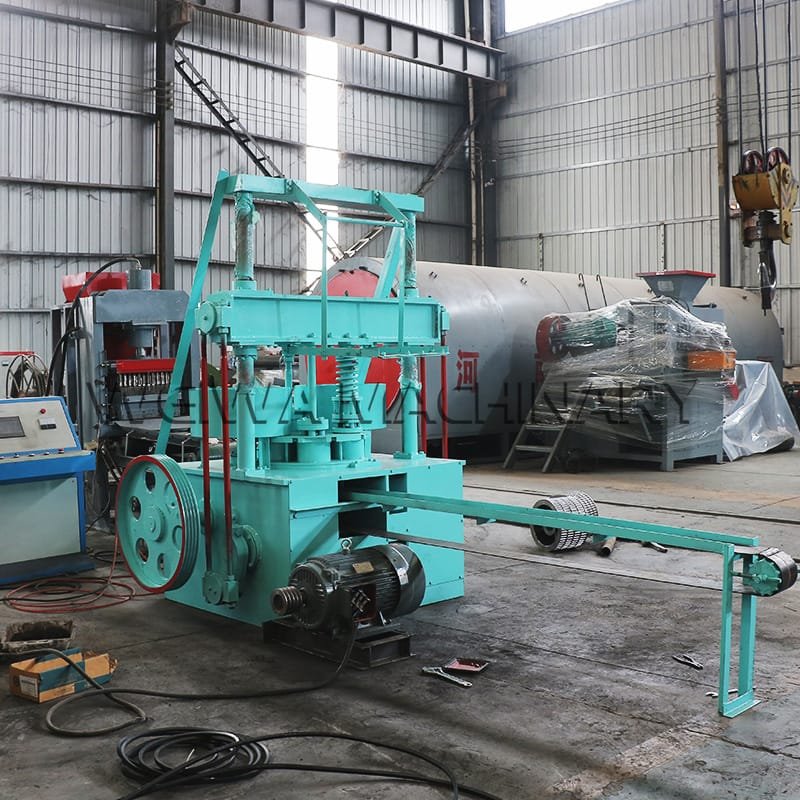
En Weiwa Machinery, we believe technology thrives when it meets real world demand. Recently our team had the privilege and excitement of conducting an on site trial of our flagship Honeycomb Briquette Charcoal Machine for a valued client based in Myanmar. This endeavor was more than just a demonstration. It was a vivid showcase of how advanced charcoal making machine solutions can reshape local industry dynamics, support cleaner fuel alternatives, and promote economic resilience.
Welcoming the Challenge in Myanmar
Myanmar stands at a unique crossroads of abundant agricultural waste and increasing demand for affordable, sustainable cooking fuels. The transition from traditional wood charcoal to modern compressed charcoal briquettes is gaining momentum. Recognizing this potential, our client sought a reliable partner capable of delivering not only high performance equipment but also comprehensive support including installation, pruebas, y entrenamiento. That is where Weiwa Machinery stepped in.
Transporting our Charcoal press machine across borders and preparing it for field operation required detailed coordination. Our engineers ensured all components of the Honeycomb briquette charcoal machine arrived intact and ready for rapid deployment. From unpacking to assembly, each process adhered strictly to safety protocols and operational efficiency benchmarks.
Unveiling the Honeycomb Briquette Charcoal Machine Technology
Before diving into the trial specifics, it is important to understand what makes the Honeycomb briquette charcoal machine a pivotal innovation in solid fuel production. Unlike conventional charcoal kilns or rudimentary presses, this equipment transforms powdered carbonized biomass into uniformly shaped briquettes with a distinctive honeycomb cross section.
The design of the mold inside the Charcoal briquette machine enables continuous extrusion under controlled pressure and temperature. This ensures consistent density, durabilidad, and combustion performance. Each briquette resembles a small beehive structure which enhances airflow during burning, thus offering higher thermal efficiency and less smoke emission compared to lump charcoal.
Our Charcoal making machine integrates hydraulic or mechanical pressing systems depending on model specifications. The ability to switch between manual and automatic feeding mechanisms gives operators flexibility according to production scale. For Myanmar clients dealing with varied raw material availability such as coconut shells, serrín, cáscaras de arroz, or corn cobs, this adaptability is crucial.
Setting the Stage for Field Trial
Site preparation played a vital role in ensuring accurate evaluation of the Honeycomb briquette charcoal machine. The client had allocated a dedicated workspace with adequate ventilation, power supply stability, and clear access for material handling. Our team conducted initial inspections and calibrated the machine settings based on the raw charcoal powder provided by the client.
During setup, we emphasized aligning the Charcoal press machine’s compression ratio with the specific characteristics of local biomass charcoal fines. Fine tuning the screw feeder speed and hydraulic pressure allowed us to optimize briquette formation without causing blockages or surface cracks.
Step by Step Execution of the Trial Run
Initial Calibration and Safety Briefing
Safety always comes first. Before powering the machine, our engineers conducted a thorough briefing for the client’s operational staff. Understanding emergency stop functions, proper lubrication intervals, and wear part replacements helps prevent downtime and accidents.
Calibration involved adjusting the mold temperature and pressure gauge readings to match the moisture level of the input material. Since Myanmar’s climate can introduce variability in raw material dryness, we incorporated real time monitoring to maintain product quality throughout the run.
Feeding Raw Material into the Charcoal Making Machine
The trial utilized a blend of coconut shell charcoal powder and sawdust processed through the client’s own carbonization system. Uniform particle size below 3mm was critical for smooth flow into the hopper of the Honeycomb briquette charcoal machine. Our team supervised the first few batches to ensure no foreign objects entered the feed system, protecting both the screw auger and mold cavity from damage.
Observing the feeding process revealed the importance of steady material supply. Intermittent feeding caused slight variations in briquette length, reinforcing the need for a well designed conveyor or vibration feeder in larger scale operations.
Compression and Extrusion Phase
Once material entered the barrel chamber of the Charcoal press machine, the screw mechanism gradually increased pressure while simultaneously heating the mixture to facilitate binding. The mold’s hexagonal matrix compressed the paste into dense hexagonal logs. The machine’s motor operated smoothly at recommended RPM, demonstrating low energy consumption relative to output volume.
The continuous extrusion produced briquettes at a rate of approximately 1000 pieces per hour in the test configuration. This throughput can be scaled up with industrial variants designed for mass production. Witnessing the transformation from loose powder to sturdy briquettes highlighted the elegance of mechanical engineering behind the Charcoal briquette machine.
Cooling and Collection
Freshly formed briquettes exited the mold and were directed onto a cooling rack. In Myanmar’s warm environment, allowing sufficient air circulation prevented heat retention that could cause warping. After cooling for 15–20 minutes, the briquettes hardened completely and were ready for quality assessment.
Showcasing the Briquette Samples

Seeing is believing. The moment arrived to inspect the trial samples produced by our Honeycomb briquette charcoal machine. Each briquette displayed sharp edge definition and uniform cell patterns. Their weight averaged 80 grams with diameter around 90mm and length adjustable between 100mm to 300mm depending on mold settings.
Our client performed a simple strength test by dropping samples from waist height onto concrete. No breakage occurred, confirming excellent compaction. A subsequent burn test showed steady flames with minimal sparking and reduced smoke output compared to traditional charcoal. These qualities position the product as ideal for household cooking and small scale industrial use.
Feedback from local users present at the trial was overwhelmingly positive. Many noted the briquettes’ ease of ignition and longer burning duration. Such traits are vital for Myanmar’s market where cost per cooking session influences consumer choices deeply.
Educating on Maintenance and Longevity of Charcoal Press Machine
A successful trial is incomplete without planning for sustained operation. We explained to the client the routine maintenance schedule for the Charcoal press machine including daily cleaning of the mold, weekly lubrication of moving parts, and monthly inspection of hydraulic fluid levels.
Wear parts such as the screw blade and mold liners will require periodic replacement depending on production intensity. Our team assured them of readily available spare parts and technical support from Weiwa Machinery, reducing concerns over long term viability.
Training also covered troubleshooting common issues like inconsistent briquette size due to worn molds or power fluctuations affecting motor performance. Providing this knowledge empowers operators to maintain consistent output and avoid costly disruptions.
Why Honeycomb Briquette Charcoal Machine Fits Myanmar Perfectly?
Myanmar’s geography offers vast reserves of agro residues suitable for charcoal making. Sin embargo, fragmented rural supply chains often hinder efficient utilization. The compact footprint and straightforward operation of our Charcoal making machine make it accessible even for small entrepreneurs operating outside major cities.
Además, government initiatives promoting ecofriendly fuels align with the environmental benefits of honeycomb briquettes. Their efficient burn reduces deforestation pressures and indoor air pollution. By investing in a reliable Charcoal briquette machine, Myanmar businesses can tap into urban markets seeking greener alternatives while supporting rural employment in raw material collection and processing.
Weiwa Machinery’s commitment goes beyond supplying equipment. We see ourselves as partners in building capacity and fostering sustainable growth. The trial in Myanmar reaffirmed our belief that localized demonstrations build trust and enable customers to visualize tangible returns.
Exploring Customization Options for Diverse Needs
Every production environment has unique demands. During discussions with our Myanmar client, we explored possibilities for customizing the Honeycomb briquette charcoal machine such as altering mold shapes for brand differentiation, integrating automatic cutting devices for fixed briquette lengths, and adding digital counters for production tracking.
Such innovations enhance user convenience and open doors to commercial branding opportunities. Clients can imprint logos or batch codes directly onto briquettes using specialized molds, strengthening market identity.
Reflecting on Energy Efficiency and Cost Effectiveness
One of the standout takeaways from the trial was the energy efficiency of our Charcoal press machine. Measured against output, power usage remained low, making the solution viable even in areas with limited electricity supply if paired with generator backup. Fuel savings from using high quality briquettes further improve ROI for end users.
Cost effectiveness extends beyond monetary terms. Labor savings from mechanized pressing reduce physical strain and allow smaller teams to manage higher volumes. This scalability is critical for startups aiming to expand without proportionate increases in workforce.
Building Relationships Beyond Business
Our presence in Myanmar was not limited to machinery alone. We engaged with local technicians, shared knowledge about best practices in raw material preparation, and discussed strategies for securing consistent feedstock quality. These interactions foster a collaborative ecosystem where Weiwa Machinery acts as both equipment provider and industry enabler.
We also exchanged ideas on future collaboration involving training workshops and joint ventures for establishing regional service centers. Strengthening local networks ensures faster response times and builds goodwill that transcends individual transactions.
Final Impressions and Path Forward
As the trial concluded, the client expressed satisfaction not only with the performance of the Honeycomb briquette charcoal machine but also with the professionalism and dedication shown by Weiwa Machinery’s team. Orders for additional units were discussed along with plans to replicate the trial success in other regions of Myanmar.
This experience underscores the value of hands on engagement. Seeing the Charcoal making machine operate under actual conditions answers questions no brochure or video can fully address. It bridges expectation with reality and lays foundation for lasting partnerships.
Weiwa Machinery remains committed to empowering industries worldwide with innovative, durable, and efficient briquette solutions. Whether you are a small business owner or a large scale producer, our range of Charcoal briquette machines and Charcoal press machines stands ready to meet your needs.
Acerca de Maquinaria de Weiwa
Weiwa Machinery is a leading manufacturer and exporter specializing in biomass energy equipment including Honeycomb briquette charcoal machines, Charcoal briquette machines, maquinas para fabricar carbon, and Charcoal press machines. With decades of engineering expertise and a global outlook, we deliver turnkey solutions tailored to diverse markets. Our mission is to drive sustainable development by providing advanced machinery that transforms waste into valuable fuel.
We offer comprehensive services from consultation and customization to installation, capacitación, and after sales support. Our products have earned recognition in multiple countries for reliability, eficiencia, and user friendly design.
For inquiries or to request a live demo, visit
Contact us via Mob WhatsApp +8613838093177 or email info@cjlmachinegroup.com. Let Weiwa Machinery be your trusted partner in shaping a cleaner, futuro más rentable.


 Veloz
Veloz

 +8615937143060
