


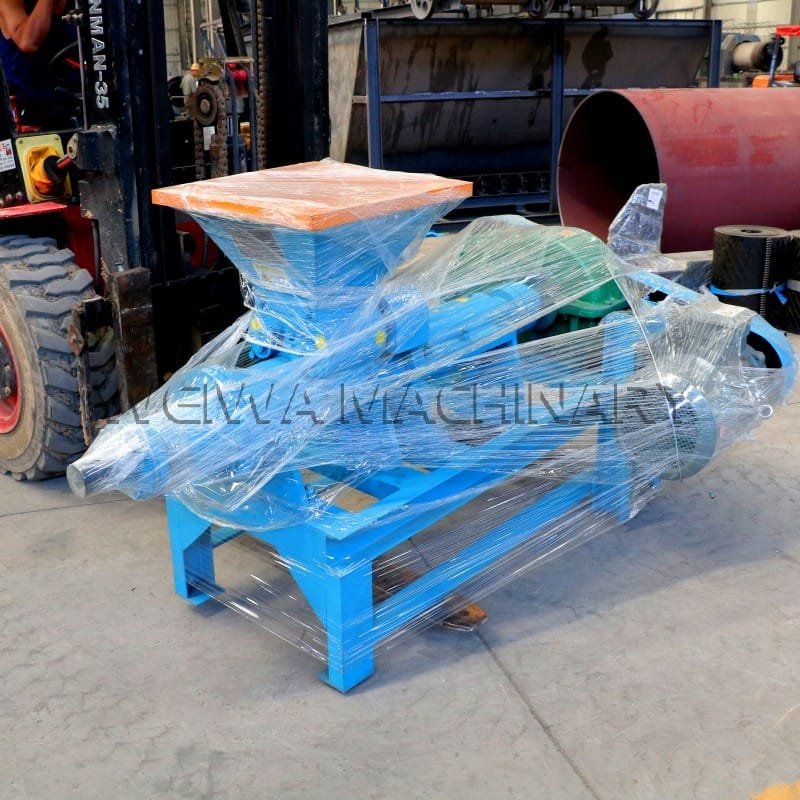
Di mesin Weiwa, kami bangga memberikan solusi permesinan yang inovatif dan andal yang mendukung pengembangan energi berkelanjutan di seluruh dunia. Baru-baru ini, we reached a significant milestone by shipping our high-performance Charcoal Extruder Machine to Congo, marking another step forward in our mission to empower local industries with clean fuel production technology.
The Journey Begins: Manufacturing Excellence at Weiwa Machinery
Before any shipment leaves our facility, it undergoes rigorous quality control and precision engineering. Our Charcoal Extruder Machine is designed to convert powdered biomass or coal into solid fuel rods through a process known as extrusion. These machines are essential for producing uniform, high-density charcoal briquettes used widely for cooking and heating purposes.
The model shipped to Congo was custom-built to meet specific requirements provided by our client, including enhanced durability for continuous operation under tropical conditions. Every component—from the screw auger to the hydraulic system—was inspected and tested multiple times to ensure optimal performance upon arrival.
Our production team also focused on energy efficiency and ease of maintenance, two critical factors for clients operating in regions where technical support may be limited. By integrating advanced automation features, we reduced manual intervention while maintaining consistent output quality.
Packing and Preparation for International Shipment
Once manufacturing was complete, our logistics department took over to prepare the Charcoal Extruder Machine for its long journey to Congo. Given the size and weight of the equipment, careful packaging was essential to prevent damage during transit. We used reinforced wooden crates treated for moisture resistance, along with shock-absorbing materials to protect sensitive parts such as electronic controls and bearings.
Each crate was labeled clearly with handling instructions and destination details. We coordinated closely with freight forwarders experienced in shipping heavy machinery to Central Africa, ensuring compliance with international customs regulations and documentation requirements.
One key consideration was securing all necessary export permits and certificates, including CE certification and material safety data sheets. This streamlined the clearance process at both departure and arrival ports, minimizing delays and reducing overall lead time.
Arrival in Congo: Unloading and Installation Support
After weeks of travel across land and sea, the Charcoal Extruder Machine finally arrived at the port of Matadi in Congo. Our local partner team received the shipment and began unloading operations using specialized cranes and forklifts. Despite the complexity of handling oversized cargo, the entire process proceeded smoothly thanks to meticulous planning and coordination.
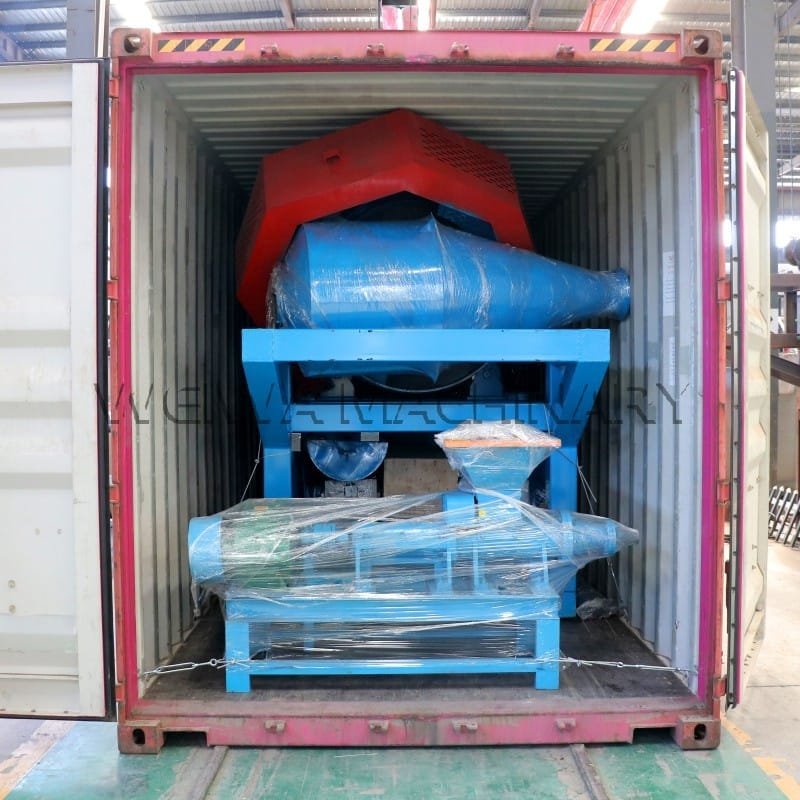
Upon delivery to the customer’s site, our engineers conducted a thorough inspection to confirm that no components were damaged during transport. They then initiated the installation phase, which included assembling major sub-units, connecting power systems, and calibrating sensors.
Training sessions were held for local operators to familiarize them with daily maintenance routines, safety protocols, and troubleshooting techniques. We emphasized the importance of regular lubrication, cleaning of dust filters, and monitoring temperature levels to extend the lifespan of the machine.
Feedback from the client has been overwhelmingly positive. They expressed satisfaction not only with the functionality of the Charcoal Making Machine but also with the level of technical assistance provided throughout the setup process.
Understanding the Role of Coal Rod Machines in Sustainable Energy Production
To fully appreciate the significance of this shipment, it’s important to understand how coal rod machines contribute to environmental sustainability and economic growth. In many developing countries, deforestation remains a pressing issue due to reliance on firewood for household energy needs. Charcoal briquettes produced by coal rod machines offer a cleaner alternative that burns more efficiently and produces less smoke.
These machines utilize agricultural waste products such as rice husks, serbuk gergaji, Kerang kelapa, and peanut shells as raw materials. Instead of discarding these residues, communities can convert them into valuable fuel sources, creating new income streams for farmers and small-scale entrepreneurs.
Lebih-lebih lagi, the densification process involved in forming briquettes increases calorific value per unit volume, making them ideal for both domestic and industrial applications. For bakeries, Restoran, and poultry farms requiring consistent heat sources, coal rod machines provide a cost-effective solution compared to traditional fuels like kerosene or liquefied petroleum gas (LPG).
In urban areas facing air pollution challenges, switching to biomass-based briquettes helps reduce harmful emissions associated with charcoal burning. Governments and NGOs increasingly recognize the role of such technologies in achieving national climate goals and improving public health outcomes.
Market Potential for Charcoal Extruder Machines in Africa
Africa presents a fertile ground for the adoption of charcoal extruder machines due to several interrelated factors. Rapid population growth coupled with urbanization drives up demand for affordable and accessible energy solutions. Namun, many regions still lack reliable access to electricity grids, forcing households and businesses to depend on inefficient and polluting alternatives.
This gap creates opportunities for decentralized energy systems powered by locally manufactured charcoal briquettes. Countries like Congo, Nigeria, Ghana, Uganda, and Tanzania have already seen increasing interest in small-scale bioenergy enterprises supported by modern machinery.
Government initiatives promoting green economy transitions further bolster market prospects. Policies encouraging renewable energy investments, tax incentives for eco-friendly businesses, and subsidies for agricultural residue collection create favorable conditions for entrepreneurs looking to enter the sector.
Selain itu, rising awareness about climate change impacts encourages consumers to shift toward sustainable practices. As education levels improve and mobile connectivity expands, more people become informed about the benefits of using charcoal briquettes over conventional fuels.
From an investment standpoint, the return on investment for coal rod machines is attractive. Depending on scale and operational efficiency, producers can recover initial capital outlays within 6–18 months through sales revenue. With proper marketing strategies targeting urban centers and institutional buyers, businesses can achieve rapid growth and scalability.
Namun, success depends heavily on selecting appropriate equipment tailored to local conditions. Factors such as feedstock availability, labor skills, infrastructure quality, and regulatory frameworks must be carefully evaluated before launching operations. Herein lies the value proposition of partnering with established manufacturers like Weiwa Machinery, who bring decades of experience and global expertise to the table.
Technological Advancements Enhancing Performance and Efficiency
Modern Charcoal Extruder Machines incorporate cutting-edge technologies that significantly improve productivity and user experience. One notable advancement is the integration of variable frequency drives (VFDs), allowing operators to adjust motor speeds according to material characteristics and desired output density.
Another innovation involves automated feeding systems equipped with sensors that monitor hopper levels and prevent clogging or overflow. Such features minimize downtime and reduce labor costs, especially in high-volume production settings.
Material science breakthroughs have also led to stronger alloys capable of withstanding abrasive forces encountered during extrusion. This extends component lifespans and lowers maintenance expenses over time.
Lebih-lebih lagi, digital interfaces now enable remote diagnostics and software updates, facilitating real-time performance tracking and predictive maintenance. Clients can receive alerts about potential issues before they escalate into costly breakdowns, ensuring uninterrupted operations.
Sustainability remains at the core of technological development. Newer models prioritize energy conservation by optimizing motor loads and utilizing regenerative braking mechanisms where applicable. Water-cooled systems help dissipate excess heat without excessive water consumption, addressing concerns related to resource scarcity in arid regions.
As research continues, future iterations may include AI-powered optimization algorithms that fine-tune parameters based on historical data analysis. Such capabilities would revolutionize how operators manage their plants, maximizing yields while minimizing waste.
Overcoming Challenges in Deploying Charcoal Briquette Machines Across Africa
Despite promising market dynamics, deploying coal rod machines in African contexts comes with unique challenges that require proactive solutions. Infrastructure limitations often pose logistical hurdles, particularly in rural areas lacking paved roads or stable electricity supplies.
To mitigate these issues, manufacturers design modular units that are easy to transport and assemble on-site. Portable versions powered by diesel generators serve as viable options where grid connectivity is unreliable. Local assembly partnerships also reduce dependency on imported finished goods, fostering job creation and skill transfer.
Access to finance remains another barrier for aspiring entrepreneurs. High upfront costs deter many potential investors despite strong ROI projections. Addressing this requires collaboration between governments, financial institutions, and equipment suppliers to develop tailored loan programs and leasing arrangements.
Cultural perceptions sometimes hinder acceptance of new technologies. Educating communities about the advantages of charcoal briquettes through demonstrations, workshops, and pilot projects helps build trust and encourage adoption. Highlighting success stories from neighboring regions inspires confidence among skeptics.
Regulatory uncertainties add complexity to project planning. Ambiguous policies regarding licensing, environmental standards, and product specifications create ambiguity for business owners. Engaging policymakers early in the process ensures alignment between industry needs and legal frameworks.
Lastly, competition from informal charcoal producers poses a threat to organized enterprises. Counterfeit or substandard equipment flooding the market undermines credibility and discourages investment. Establishing robust quality assurance mechanisms and brand protection strategies becomes imperative for maintaining market integrity.
Successful Implementation in Neighboring Countries
Examining successful deployments elsewhere provides valuable insights into best practices for scaling operations in Congo and beyond. In Nigeria, a startup utilized our Charcoal Extruder Machine to establish a network of micro-enterprises across three states. By sourcing raw materials locally and training youth groups in machine operation, they created employment opportunities while supplying affordable fuel to low-income households.
Demikian pula, in Kenya, a women-led cooperative integrated solar dryers with their briquetting plant to enhance product consistency and reduce drying times. Their commitment to sustainability earned them recognition from international donors, enabling expansion into export markets.
These examples underscore the importance of community engagement, strategic partnerships, and adaptive business models. Flexibility in responding to changing circumstances enables enterprises to thrive even amid adversity.
Trends Shaping the Industry
Melihat ke depan, multiple trends are poised to shape the trajectory of the charcoal extrusion industry in Africa. Climate financing mechanisms are expected to unlock greater funding for clean energy projects, benefiting manufacturers and end-users alike.
Technological democratization will lower entry barriers, allowing smaller players to compete effectively. Cloud-based platforms offering shared resources and knowledge repositories foster collaboration and accelerate learning curves.
Consumer preferences are shifting toward branded, certified products that guarantee quality and traceability. Meeting these expectations necessitates investments in quality control systems and marketing channels.
Policy harmonization across borders could facilitate cross-border trade in raw materials and finished goods, amplifying market reach and driving down costs through economies of scale.
Ultimately, the convergence of these trends positions charcoal extruder machines as catalysts for inclusive growth and environmental stewardship across the continent.
Mengapa Memilih Mesin Weiwa?
Dengan lebih 20 years of experience in designing and manufacturing charcoal production equipment, Weiwa Machinery stands out as a trusted partner for businesses seeking reliable and efficient solutions. Our product portfolio includes Charcoal Extruder Machines, Coal Rod Machines, and comprehensive briquetting lines tailored to diverse applications.
We combine state-of-the-art engineering with deep understanding of local market needs. From initial consultation to after-sales support, we strive to deliver exceptional service at every touchpoint. Our global presence spans Asia, Afrika, Eropa, and Latin America, with installations in over 50 negara.
Commitment to innovation drives us to continuously refine our offerings. Recent upgrades focus on energy savings, noise reduction, and user-friendly interfaces, ensuring maximum value for customers.
Customer testimonials consistently highlight our responsiveness, professionalism, and dedication to exceeding expectations. Whether you’re a startup exploring new ventures or an established enterprise scaling operations, Weiwa Machinery has the expertise and resources to help you succeed.
Visit our website to learn more about our products and services. Contact us today to discuss how we can support your goals in the charcoal production industry.


 Wechat wechat

 +8615937143060
