


Perkenalan
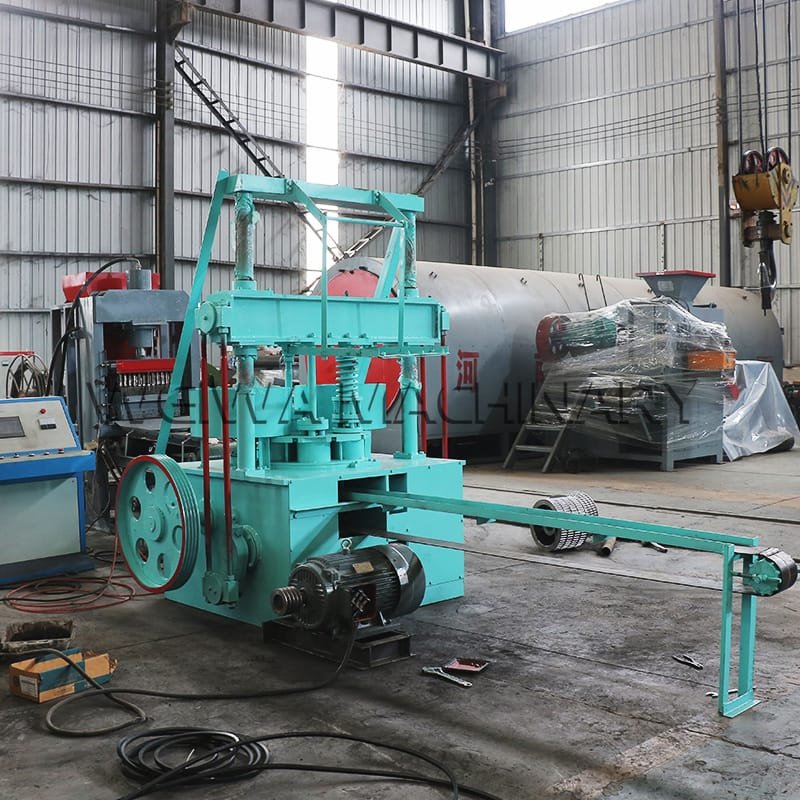
Di mesin Weiwa, we believe the best way to prove our machinery’s value is through real-world trials. Baru-baru ini, we traveled to India to test our Mesin arang briket sarang lebah—a model specifically requested by a local client who needed a solution for their growing demand for eco-friendly fuel.
What Are Honeycomb Briquettes?
Sebelum menyelam ke persidangan, let’s break down why honeycomb briquettes are so popular—especially in countries like India where access to clean, affordable fuel is critical.
The Science Behind the Shape
Honeycomb briquettes get their name from their beehive-like structure: kecil, evenly spaced perforations run through the block. This design isn’t just aesthetic—it’s functional:
- Better Airflow: Perforations allow oxygen to circulate evenly, reducing smoke and ensuring complete combustion.
- Longer Burn Time: Dense, compacted material burns slower than loose charcoal or firewood.
- Less Ash: Minimal waste means less cleaning and lower maintenance for stoves.
Why India Needs Honeycomb Briquettes?
India’s reliance on firewood and kerosene for cooking contributes to deforestation and indoor air pollution. Honeycomb briquettes solve both problems:
- Waste-to-Energy: They’re made from agricultural residues (sekam padi, Kerang kelapa) and coal dust—materials that would otherwise go to waste.
- Affordable: Cheaper than LPG or electricity, making them accessible to low-income households.
- Sustainable: Reduces carbon emissions by replacing fossil fuels.
Kita Mesin arang briket sarang lebah Built for Indian Conditions
When the client reached out, they had two non-negotiables: konsistensi (no broken or misshapen briquettes) Dan adaptability (ability to use local raw materials). Our machine checks both boxes—and more.
Key Features That Matter for Indian Users
- Adjustable Compression Settings: Control briquette density to match the moisture content of local materials (MISALNYA., coconut shell charcoal is drier than rice husk charcoal).
- Stainless Steel Molds: Resist corrosion from humid climates—critical for Indian summers.
- Low Power Consumption: Runs on standard 3-phase electricity, which is widely available in Indian industrial areas.
- Easy Maintenance: Removable parts mean quick fixes if something goes wrong (no need for specialized technicians).
Cara kerjanya: Step-by-Step
The process is simple enough for small-scale producers to master:
- Mix Materials: Combine charcoal dust, bubuk batu bara, and a natural binder (seperti pati) in a 10:1 ratio.
- Feed the Machine: Load the mixture into the hopper—no pre-processing required.
- Compress & Punch: High-pressure rollers compress the mix into a log, then a punching tool creates the honeycomb holes.
- Dry & Package: Briquettes dry in 2–3 hours (using a solar dryer or low-heat oven) before being sold.
The India Trial: Proof That It Works
We set up the machine at the client’s factory in Maharashtra, where they planned to scale production from 500 ke 2,000 briquettes per day. Inilah yang terjadi:
Day 1: Material Testing
Pertama, we tested three local raw materials:
- Coconut Shell Charcoal: High carbon content but brittle.
- Coal Dust: Cheap but prone to crumbling.
- Rice Husk Charcoal: Lightweight but burns fast.
After adjusting the compression setting to “medium” (to balance density and fragility), we found the sweet spot: 70% batok kelapa + 30% Debu Batubara. The mixture held its shape perfectly—no cracks, no loose ends.
Day 2: Production Run
We ran the machine for 8 hours straight. Here are the numbers:
- Keluaran: 1,800 briquettes/hour (exceeding the client’s target of 1,500).
- Quality: 98% of briquettes passed inspection—only 36 were slightly misshapen (due to operator error, not the machine).
- Penggunaan Daya: Consumed 15 kWh/hour—half the energy of competing models.
The client’s team was impressed: “We thought we’d need to hire extra workers to sort bad briquettes, but your machine does it all.”
Day 3: Client Feedback
After the trial, the client shared their thoughts:
- “The machine is quiet—we can run it next to our office without disturbing anyone.”
- “Training took 2 jam. My team was making perfect briquettes by lunchtime.”
- “We already have orders for 10,000 briquettes next month. This machine will pay for itself in 6 months.”
Sample Showcase: See the Results for Yourself
Words don’t do justice to the quality of our briquettes—so we’ve included high-resolution photos. Notice:

- Uniform Holes: Every perforation is the same size (10mm diameter)—critical for even burning.
- Smooth Surface: No rough edges or cracks (a sign of poor compression).
- Dark Color: Indicates high carbon content—these briquettes burn hotter and longer than competitors’.
Mengapa Memilih Mesin Weiwa?
We’re not just selling machines—we’re building partnerships. Here’s what sets us apart:
- Customization: We modify machines to fit your raw materials, space, dan anggaran.
- Dukungan setelah penjualan: Free training, spare parts shipped within 48 jam, and remote troubleshooting.
- Rekam Jejak Terbukti: Lebih 500 machines installed in 20+ countries—including 120 in India alone.
Kesimpulan
The India trial proved one thing: our Mesin arang briket sarang lebah isn’t just a piece of equipment—it’s a tool for change. For Indian producers, it means higher profits, lower waste, and cleaner air. For consumers, it means affordable, bahan bakar yang andal.
If you’re ready to take your briquette business to the next level, we’re here to help. Contact us today to schedule a trial or request a custom quote.
Tentang Mesin Weiwa
Weiwa Machinery has been manufacturing briquette machines since 2008. Our mission is to make sustainable fuel accessible to everyone—whether you’re a small farmer in India or a large producer in Africa. We specialize in:
All our machines come with a 1-year warranty and lifetime technical support. Visit our website to learn more, or reach out to our sales team at sales@weiwamachinery.com.


 Wechat wechat

 +8615937143060
