


A Milestone in Global Partnership
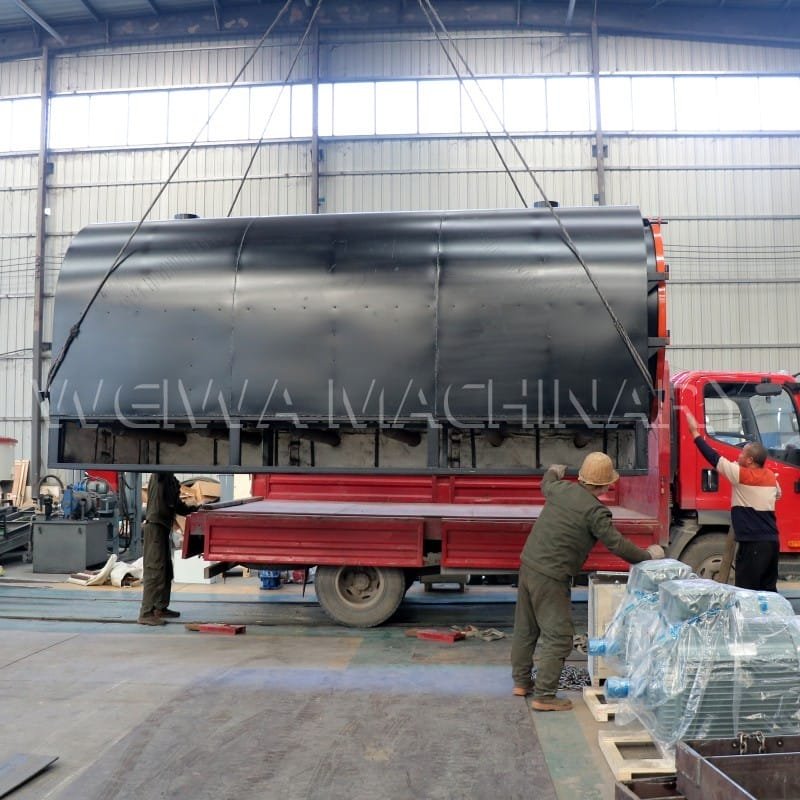
On a crisp morning at Weiwa Machinery’s manufacturing facility, excitement filled the air as our team prepared to ship a state-of-the-art Tungku karbonisasi horizontal to Mexico. This wasn’t just another delivery—it marked the beginning of a collaborative journey with Mexican entrepreneurs and environmental advocates to revolutionize local charcoal production. As a leading manufacturer of Charcoal Making Machines, we take pride in empowering communities worldwide with sustainable solutions, and this shipment embodies our commitment to innovation, efisiensi, and eco-consciousness.
Meksiko, with its rich agricultural landscape and growing demand for clean energy, has emerged as a key market for our Tungku karbonisasi horizontal. Di blog ini, we’ll walk you through the shipment process, explore why our technology is ideal for Mexico, and demystify how horizontal kilns are transforming the charcoal industry globally.
The Shipment Scene: Precision, Care, and Global Reach
The day began early, with our logistics team coordinating every detail to ensure the Tungku karbonisasi horizontal arrived safely in Mexico. The furnace, a robust structure designed for continuous operation, was carefully loaded onto a flatbed truck after rigorous quality checks. Its compact horizontal design, a hallmark of our engineering, made transportation seamless—no complex disassembly required.
As the truck departed, we reflected on the significance of this moment. For our Mexican client, this furnace represents more than equipment; it’s a gateway to higher profits, reduced waste, and compliance with stringent environmental regulations. For us at Weiwa Machinery, it’s proof that our mission to “turn biomass into value” resonates across borders.
The Perfect Match for Horizontal Carbonization Technology
Mexico’s charcoal industry faces unique challenges: traditional kilns are inefficient, polluting, and labor-intensive. With rising demand for sustainable fuel (driven by restaurants, rumah tangga, dan penggunaan industri), there’s an urgent need for modern solutions. Enter the Tungku karbonisasi horizontal—a game-changer tailored to Mexico’s needs.
What Makes Horizontal Carbonization Furnaces Ideal for Mexico?
Kemampuan Beradaptasi terhadap Sumber Daya Biomassa Lokal
Mexico’s diverse agriculture produces abundant biomass waste: Kerang kelapa, tongkol jagung, Baga tebu, and hardwood scraps. Unlike vertical kilns, which struggle with uneven heat distribution, kamiTungku karbonisasi horizontal uses a slow, controlled pyrolysis process that maximizes carbon retention from these materials. The horizontal chamber ensures uniform heating, turning low-value waste into high-quality charcoal briquettes or lump charcoal—perfect for Mexico’s vibrant culinary scene.
Energy Efficiency and Cost Savings
Traditional charcoal production in Mexico relies on open pits or makeshift kilns, wasting up to 70% of the biomass’s energy potential. KamiTungku karbonisasi horizontal operates at optimal temperatures (400–600 ° C.) with minimal oxygen, capturing volatile gases (like methane and hydrogen) to fuel the process. This self-sustaining system cuts fuel costs by 40% and reduces production time by half, making it a profitable investment for small-scale farmers and large enterprises alike.
Environmental Compliance Made Easy
Mexico’s government has tightened emissions standards to combat deforestation and air pollution. Vertical kilns release harmful smoke and particulate matter, but our Tungku karbonisasi horizontal features a sealed chamber and advanced gas filtration system. It captures tar and volatile compounds, converting them into usable byproducts (like wood vinegar) or safely venting clean exhaust. This aligns with Mexico’s sustainability goals and helps clients avoid penalties.
How Horizontal Carbonization Works?
To understand why our Tungku karbonisasi horizontal stands out, let’s break down the science behind it. Pyrolysis—the thermal decomposition of organic material in the absence of oxygen—is the core process. Here’s how it unfolds in our kiln:
The Science of Slow Pyrolysis in Horizontal Kilns
- Loading: Biomass (MISALNYA., Kerang kelapa) is fed into the horizontal chamber through an airtight door. The chamber’s length allows for a steady feed rate, memastikan output yang konsisten.
- Pemanas: External burners ignite the biomass at one end, creating a slow-moving flame front. Heat travels horizontally, gradually drying and decomposing the material.
- Karbonisasi: As the flame progresses, moisture evaporates, Gas yang mudah menguap dilepaskan (and partially burned for energy), and the remaining solid turns into charcoal. The horizontal design prevents hot spots, ensuring uniform charring.
- Pendinginan & Discharge: Once carbonized, the charcoal moves to a cooling zone before being discharged. The entire cycle takes 12–24 hours, depending on the biomass type.
This method retains 30–40% more carbon than fast pyrolysis, resulting in denser, longer-burning charcoal—exactly what Mexican consumers prefer.
The Mexican Market: Opportunities and Challenges
Mexico’s charcoal market is valued at over $500 million annually, driven by tourism (think beachside grills) and household cooking. Namun, 80% of production still comes from illegal deforestation, threatening biodiversity. KamiTungku karbonisasi horizontal addresses this by using agricultural waste, reducing reliance on cutting trees.
Studi kasus: A Mexican Farm’s Success Story
Last year, a coffee farm in Chiapas adopted our Tungku karbonisasi horizontal to process coffee husks and pruned branches. Before, they burned waste, contributing to air pollution. Sekarang, they produce 2 tons of premium charcoal monthly, selling it to local restaurants at a 50% markup. The farm owner reported, “This machine turned our trash into treasure—we’re not just saving money; we’re protecting our land.”
Why Choose Weiwa Machinery’s Tungku karbonisasi horizontal?
With so many Charcoal Kilns on the market, what sets ours apart?
Engineering Excellence Meets User-Friendly Design
- Daya tahan: Built with 304 stainless steel, our furnaces withstand Mexico’s humid climate and resist corrosion.
- Otomatisasi: PLC-controlled systems monitor temperature, tekanan, and gas flow, reducing manual labor.
- Skalabilitas: Available in 500kg/day to 5-ton/day capacities, perfect for small farms or industrial plants.
- Support: We provide on-site installation, pelatihan, Dan 24/7 technical assistance—critical for clients new to modern charcoal making.
Kesimpulan: Empowering Mexico’s Green Transition
Pengiriman dari kamiTungku karbonisasi horizontal to Mexico is more than a business transaction; it’s a step toward a sustainable future. By combining cutting-edge technology with local needs, we’re helping Mexican producers thrive while preserving the environment.
Di mesin Weiwa, we believe innovation should be accessible to all. Whether you’re a farmer in Oaxaca or an entrepreneur in Monterrey, kamiCharcoal Maker machines are designed to turn challenges into opportunities. Ready to join the green revolution? Contact us today to learn how our Tungku karbonisasi horizontal can transform your business.
Tentang Mesin Weiwa
Established in 1990, Weiwa Machinery is a global leader in biomass energy equipment, berspesialisasi dalamHorizontal Carbonization Furnaces, Charcoal Making Machines, and related accessories. Dengan instalasi di 50+ negara, kami bangga dapat memberikan hasil yang dapat diandalkan, efisien, dan solusi ramah lingkungan. Our team of engineers works closely with clients to customize equipment for local biomass types and production goals. At Weiwa, we don’t just sell machines—we build partnerships for a greener world.


 Wechat wechat

 +8615937143060
