


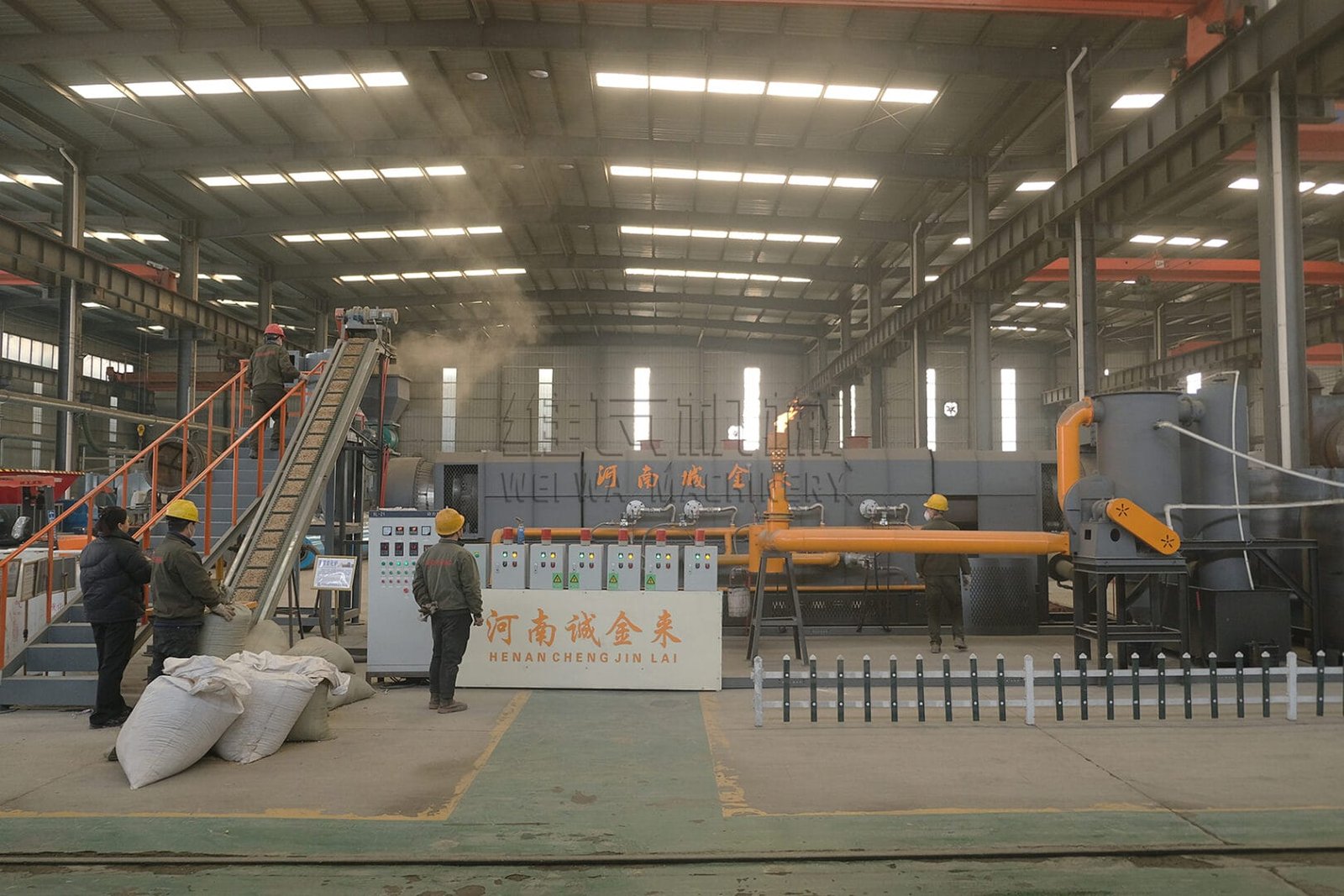
А печь непрерывного карбонизации является основным оборудованием современных линий по производству древесного угля из биомассы., а недавно компания Weiwa Machinery имела честь завершить полный пробный запуск для клиента из Саудовской Аравии, который намеревался перерабатывать большие объемы пальмовых листьев в уголь премиум-класса для кальяна с помощью гидравлического пресса.. Этот проект представляет собой растущую тенденцию на Ближнем Востоке, где многочисленные сельскохозяйственные отходы, такие как листья финиковых пальм, превращаются в ценный уголь для кальяна с помощью энергоэффективной технологии пиролиза..
Почему Саудовской Аравии нужна печь непрерывного карбонизации пальмовых листьев?
Саудовская Аравия ежегодно производит огромное количество листьев финиковой пальмы и сухих пальмовых листьев в качестве побочных продуктов сельского хозяйства.. Традиционно их сжигали в открытых полях или оставляли разлагаться., создавая как загрязнение воздуха, так и бесполезный потенциал. Поскольку внутренний и экспортный спрос на высококачественный уголь для кальяна растет в странах Персидского залива., многие саудовские предприниматели ищут печь непрерывного карбонизации для Саудовской Аравии который может надежно обрабатывать пальмовые листья в промышленных масштабах. Печи периодического действия трудоемки., трудно контролировать однородное содержание фиксированного углерода, и плохо подходит для 24/7 операция. В отличие от печь непрерывного карбонизации позволяет бесперебойно подавать сушеные пальмовые листья, стабильные температурные зоны, рекуперация горючего газа, и автоматическая выгрузка биоугля, что делает его логичным выбором для условий Саудовской Аравии, где производительность и стабильность имеют значение..
Пальмовые листья как сырье для машины по производству древесного угля
Пальмовые листья волокнистые., низкое содержание влаги после сушки на солнце, и содержат достаточное количество лигноцеллюлозы для получения хорошего древесного угля при пиролизе с ограничением кислорода между 400 °С и 600 °С. Прежде чем войти в Машина для изготовления древесного угля секция карбонизации, пальмовые листья обычно измельчаются до нижней части 30 мм и предварительно высушенный до 15 процент влажности для обеспечения плавной транспортировки и полной карбонизации. The печь непрерывного карбонизации для пальмовых листьев обработка, поскольку конструкция вращающегося барабана мягко перемалывает легкий волокнистый материал, не образуя мостиков и не засоряясь — распространенная проблема с более тяжелой древесной биомассой в некоторых печах периодического действия.. Наш клиент из Саудовской Аравии подтвердил, что измельченные пальмовые листья равномерно проходят через кормушку., испытал равномерное время пребывания внутри двухбарабанной печи, и выходит в виде тонкотекстурированного черного древесного угля с низким содержанием золы и высоким содержанием связанного углерода..
Обзор конструкции печи непрерывного карбонизации
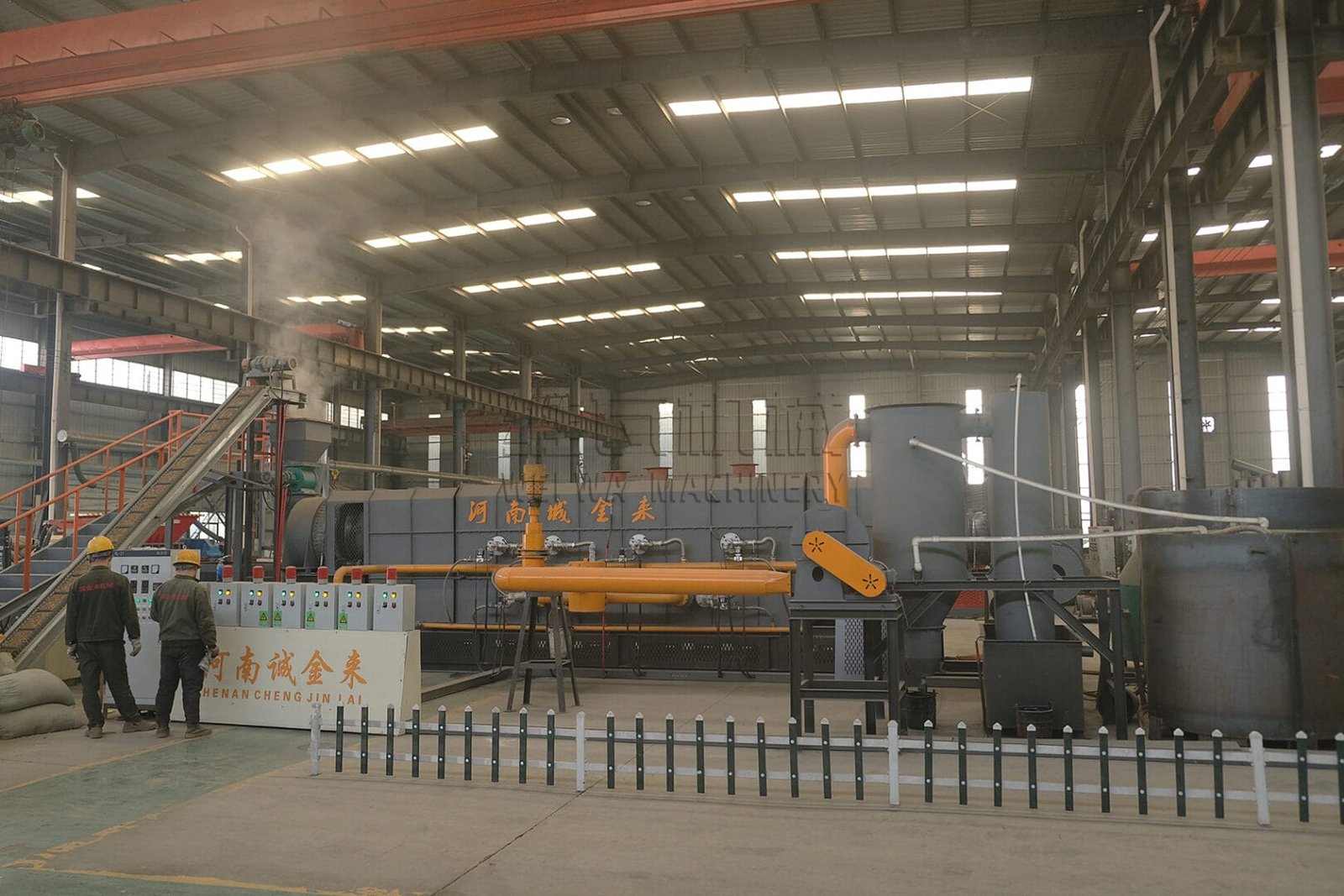
Вейва печь непрерывного карбонизации использует двухцилиндровую вращающуюся конфигурацию, состоящую из внутреннего сушильного барабана и внешнего барабана для карбонизации.. Биомасса движется по спирали вперед вдоль оси барабана, нагреваясь косвенно из камеры сгорания.. Температуру в зоне карбонизации обычно поддерживают на уровне 500–600 °C в зависимости от типа сырья и желаемых характеристик древесного угля.. Важнейшей особенностью, которую оценил наш клиент из Саудовской Аравии, является система рекуперации горючих газов.: летучие вещества, выделяющиеся при пиролизе, в основном окись углерода., метан, и водород — проходят через установку очистки и повторно вводятся в горелку в качестве вторичного топлива.. Этот самоподдерживающийся тепловой цикл снижает внешнее потребление энергии и соответствует экологическим ожиданиям по снижению выбросов дыма.. Печь может работать непрерывно в течение нескольких дней., что важно для коммерческих угольных заводов, снабжающих кальянные и дистрибьюторов по всему Королевству..
Ключевые характеристики, относящиеся к проектам саудовских пальмовых листьев
Типичные модели, предлагаемые процессом Weiwa Machinery 500 кг/ч до 2000 кг/ч входной биомассы. Для пальмовых листьев эффективная часовая производительность корректируется в зависимости от объемной плотности и влажности.. Основной корпус печи изготовлен из жаростойкой стали с изоляцией из керамического волокна для минимизации потерь тепла в пустынном климате.. Автоматический шнековый питатель регулирует подачу материала, поэтому печь непрерывного карбонизации в Саудовской Аравии никогда не переплачивает. Разрядник с водяным охлаждением снижает температуру угля ниже 50 °C перед сбором, предотвращение повторного возгорания и сохранение пористой структуры, важной для адсорбционных свойств угля для кальяна.. Все электрические компоненты размещены в пыленепроницаемом шкафу ПЛК с дополнительной маркировкой на английском/арабском языке для облегчения локального управления..
Процедура пробного запуска для саудовского клиента
Перед отправкой полный Машина для изготовления древесного угля линия, включая дробилку, сушилка, печь непрерывного карбонизации, охлаждающий винт, бункер для древесного угля, и гидравлический пресс для угля для кальяна — были собраны на нашем заводе для испытаний под свидетелем.. Представители Саудовской Аравии присоединились в прямом эфире, а затем посетили встречу лично.. Испытание моделировало реальные условия: измельченных пальмовых листьев примерно 12 процент влаги подавался в систему с контролируемой скоростью 800 кг/ч. Секция предварительной сушки повышает внутреннюю температуру материала для удаления остаточной влажности., после чего листья попали в зону высокотемпературного пиролиза. В течение тридцати минут печь достигла стабильной температуры карбонизации и начала выделять горючий газ, который направлялся обратно в горелку..
Наблюдаемые результаты теста на карбонизацию пальмовых листьев
Уголь, выброшенный из системы охлаждения, имел равномерный черный цвет., фиксированное содержание углерода выше 70 проценты в пересчете на сухое вещество, зольность ниже 3 процент, и незначительное количество некарбонизированных волокон. Полученный биоуголь затем измельчали и смешивали с небольшим процентом натурального связующего перед подачей в гидравлический пресс для получения 25 мм × 25 мм × 25 кубики для кальяна мм.. Гидравлический пресс прессовал материал под регулируемым давлением для достижения плотности, предпочитаемой курильщиками Ближнего Востока — обычно между 0.9 г/см³ и 1.1 г/см³ — получение кубиков с чистыми краями, низкая пыль, и даже поведение зажигания. Клиент из Саудовской Аравии подтвердил, что древесный уголь соответствует стандарту качества по низкому искрообразованию., длительное время горения, и минимальный запах, которые необходимы для использования кальяна. Основываясь на данных испытаний, они приступили к заказу полной производственной линии, основанной на нашей печь непрерывного карбонизации для Саудовской Аравии развертывание.
Интеграция Печа непрерывной карбонизации с гидравлическим прессом для угля для кальяна
А Машина для изготовления древесного угля завод обычно не останавливается на карбонизации. Для производства готового к продаже древесного угля для кальяна его карбонизированный продукт необходимо измельчить в порошок., просеянный, смешанный с пищевыми связующими, такими как крахмал маниоки или гуаровая камедь, и отформован с помощью гидравлического или механического брикетировочного пресса. The печь непрерывного карбонизации легко подключается к этому последующему процессу, поскольку обеспечивает постоянный поток охлажденного древесного угля, а не прерывистые партии. Конвейеры передают древесный уголь в измельчительный агрегат.; оттуда измельченный полукокс поступает в двухвальный смеситель, куда добавляется раствор связующего вещества.; влажная смесь подается в гидравлический пресс, который штампует отдельные таблетки или кубики по индивидуальным формам.. Для саудовского рынка распространены формы куба и круглой таблетки., и наш пресс поддерживает быструю смену пресс-формы. Синхронизация непрерывного пиролиза и гидравлического прессования устраняет узкие места буферного хранилища и повышает общую эффективность оборудования..
Почему печь непрерывного карбонизации предназначена для пальмовых листьев, а не только для древесины?
В то время как печь непрерывного карбонизации может перерабатывать древесную щепу, опилки, Кокосовая оболочка, рисовая шелуха, бамбук, и солома, особенно полезен для пальмовых листьев из-за легкой пушистости корма. В печи периодического действия пальмовые листья имеют тенденцию слипаться друг с другом., ограничивая поток воздуха и вызывая неравномерную карбонизацию. Во вращающемся барабане нашей печи створки постоянно вращаются., подвергается воздействию горячих газов, и продвигается с калиброванной скоростью, чтобы каждая частица имела достаточное время пребывания в зоне пиролиза.. Это обеспечивает печь непрерывного карбонизации для пальмовых листьев преобразование в однородный древесный уголь, а не в частично обугленные комки. Кроме того, система рециркуляции газа компенсирует несколько иной летучий состав пиролизного газа пальмовых листьев по сравнению с твердой древесиной., поддержание стабильной температуры печи без дополнительного дизельного топлива или сжиженного нефтяного газа после начала процесса.
Экологические и экономические преимущества для саудовских инвесторов
Развертывание печь непрерывного карбонизации в Саудовской Аравии использование пальмовых листьев дает множество преимуществ. С экологической точки зрения альтернативой открытому сжиганию является значительное сокращение выбросов PM2,5 и CO₂.; вместо неконтролируемого сжигания биомасса подвергается пиролизу в среде с недостатком кислорода, при этом дымовые газы перед выбросом очищаются через распылительную башню или циклон.. С экономической точки зрения стоимость сырья чрезвычайно низкая или даже отрицательная, если фермеры платят за удаление листьев., в то время как конечный продукт — уголь премиум-класса для кальяна — имеет высокие цены на местном уровне и в соседних странах Персидского залива.. Энергетическая самодостаточность, достигаемая за счет переработки пиролизного газа, снижает эксплуатационные расходы на тонну произведенного древесного угля.. Потому что Машина для изготовления древесного угля линия работает непрерывно, трудозатраты на тонну ниже, чем при работе в печи периодического действия, повышение рентабельности инвестиций для саудовских предпринимателей, ориентированных на средние и крупные объемы производства.
Возможности индивидуальной настройки от Weiwa Machinery
Weiwa Machinery понимает, что у каждого клиента из Саудовской Аравии могут быть разные ограничения на площадке., доступность коммунальных услуг, или спецификации готовой продукции. Поэтому наш печь непрерывного карбонизации для Саудовской Аравии заказы могут быть изготовлены по индивидуальному заказу по диаметру и длине барабана в соответствии с требуемой производительностью., оснащен дополнительными ступенями удаления пыли в соответствии с местными экологическими нормами, оснащен большой предварительной сушилкой, если сырые пальмовые листья не подвергаются предварительной сушке на солнце, и в сочетании с гидравлическими прессами различного тоннажа (НАПРИМЕР., 60-тонна, 100-тонна, 200-тонна). Также предоставляем макетные чертежи, планы фундамента, и схемы загрузки контейнеров, чтобы клиенты могли заранее подготовить цех. Наши международные инженеры по продажам оказывают техническую поддержку на арабском языке, чтобы устранить любые языковые пробелы во время установки и ввода в эксплуатацию..
Монтаж, ввод в эксплуатацию и послепродажная поддержка
После утверждения пробного запуска печь непрерывного карбонизации и полный Машина для изготовления древесного угля Линия была упакована в мореходные рамы и отправлена в Саудовскую Аравию.. По прибытии технические специалисты Weiwa консультировали клиента удаленно с помощью видео и предоставили подробные двуязычные руководства.. Для более крупных проектов может быть организован ввод в эксплуатацию на месте.. Комплекты запасных частей, включая уплотнения, подшипники, термопары, и сетчатые сетки — рекомендуется хранить на складе.. Наша команда послепродажного обслуживания периодически проверяет рабочие параметры., устранение аномалий, и предложите варианты оптимизации, такие как корректировка скорости подачи или соотношения связующего вещества с учетом сезонных колебаний содержания влаги в пальмовых листьях.. Это постоянное партнерство обеспечивает печь непрерывного карбонизации в Саудовской Аравии продолжает работать в соответствии со спецификациями спустя годы после запуска.
Часто задаваемые вопросы о линиях по производству угля из пальмового листа
Потенциальные покупатели часто спрашивают, подходит ли уголь из пальмовых листьев для шашлыка, а также для кальяна.. Ответ — да, после правильной карбонизации в печь непрерывного карбонизации для пальмовых листьев Применение: биоуголь можно брикетировать в виде кускового древесного угля или смешивать со связующими веществами для получения экструдированных брикетов для барбекю., хотя сорт кальяна обычно требует более тонкого помола и гидравлического прессования.. Еще один распространенный вопрос: сколько земли нужно?; стандартная линия производительностью 800–1000 кг/ч с печь непрерывного карбонизации, сушилка, дробилка, микшер, и гидравлический пресс обычно помещаются в крытом цехе площадью 300–400 м², а также в открытом хранилище сырья.. Потребность в электроэнергии скромная — в основном двигатели для конвейеров., вращение барабана, фанаты, и гидравлический блок - и может питаться от стандартной промышленной трехфазной сети, доступной в большинстве промышленных зон Саудовской Аравии..
Вывод: сотрудничайте с Weiwa Machinery для вашего проекта по производству древесного угля
Успешный пробный запуск показал, что Weiwa печь непрерывного карбонизации в сочетании с гидравлическим прессом для угля для кальяна обеспечивает технически обоснованный и коммерчески жизнеспособный способ переработки богатых пальмовых листьев Саудовской Аравии в ценный уголь для кальяна.. Независимо от того, являетесь ли вы новым инвестором, изучающим возможность использования биомассы, или опытным торговцем древесным углем, модернизирующим печи периодического действия., наш Машина для изготовления древесного угля решения разработаны с учетом долговечности, эффективность, и соответствие современным экологическим стандартам. Если вы ищете надежного печь непрерывного карбонизации для Саудовской Аравии или хотите знать, если печь непрерывного карбонизации для пальмовых листьев обработка под ваше сырье, свяжитесь с Weiwa Machinery сегодня, чтобы получить индивидуальное предложение и приглашение на посещение завода.
О Weiwa Machinery
Weiwa Machinery закончила 30 многолетний опыт производства оборудования для карбонизации и брикетирования биомассы. Мы предоставляем профессиональное послепродажное обслуживание, индивидуальные конфигурации машины, и чертежи планировки завода, которые помогут вам построить эффективную производственную линию.. Из сингла печь непрерывного карбонизации единицы для завершения Машина для изготовления древесного угля растения, мы обслуживаем клиентов по всему миру, включая Ближний Восток, Юго -Восточная Азия, Африка, и Европа.
Свяжитесь с нами сейчас для получения предложения:
Моб / WhatsApp: +86 138 3809 3177
Электронная почта: info@cjlmachinegroup.com
Веб-сайт: https://cjljx.com


 WeChat

 +8615937143060
