


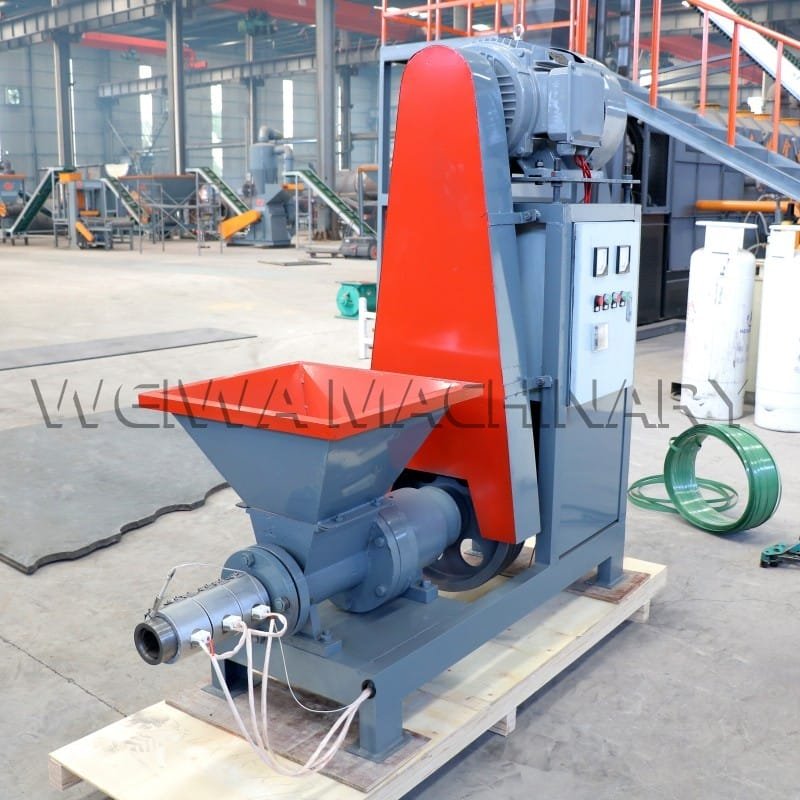
In Uganda, charcoal remains one of the most widely used cooking and heating fuels. Namun begitu, traditional methods of producing charcoal from whole logs are inefficient and environmentally damaging. By introducing a modern sawdust briquette machine system, local operators can convert agricultural residues into high density charcoal briquettes with improved combustion performance and lower environmental impact.
Why Uganda Chooses Sawdust Briquette Machines for Clean Energy?
The decision to invest in a sawdust briquetting machine is closely tied to Uganda’s unique agricultural and energy context. Across the country, large volumes of biomass waste are generated annually from coffee processing, maize milling, sugarcane harvesting, and timber operations. Much of this material is either burned openly or left to decay, releasing carbon dioxide and methane into the atmosphere.
Abundant Agricultural Waste Across Uganda
Coffee husks from central Uganda, rice straw from the eastern districts, and sugarcane bagasse from the Masindi region all provide excellent feedstock for a sawdust extruder. Unlike traditional charcoal production that depends on scarce hardwood resources, a sawdust extrude machine allows producers to utilize these low cost by products without additional chemical additives.
This approach not only reduces dependence on forest resources but also creates new income streams for farmers who can sell previously unused biomass. In rural areas where cash flow is limited, this shift can significantly improve household resilience.
Charcoal Demand and Environmental Pressure
Urban centers such as Kampala, Entebbe, and Jinja face increasing pressure to secure affordable cooking fuels. Imported liquefied petroleum gas remains expensive for many families, while traditional charcoal production accelerates deforestation. A sawdust briquette machine offers a middle path, delivering clean burning fuel with a fraction of the environmental footprint.
When operated correctly, a sawdust extruder produces briquettes with calorific values over twenty percent higher than ordinary wood charcoal. These briquettes ignite easily, terbakar lebih lama, and generate less smoke, making them suitable for both domestic and small commercial users.
How a Sawdust Extruder Machine Works in Tropical Conditions?
A common misconception is that biomass briquetting equipment cannot perform reliably in hot and humid climates. The sawdust extrude machine shipped to Uganda was specifically configured to handle tropical operating conditions, including higher ambient temperatures and fluctuating moisture levels in raw materials.
Raw Material Preparation in Ugandan Farms
The production process begins with size reduction. Crop stalks, Debu buluh, and wood chips are crushed into particles smaller than five millimeters. This step ensures uniform feeding into the sawdust extruder and prevents blockages inside the compression chamber. In Uganda, mobile crushing units are often deployed directly to farms, reducing transport costs and minimizing dust generation during handling.
Following crushing, the material enters a rotary dryer. Maintaining moisture content below twelve percent is critical for successful briquetting. In regions with distinct wet and dry seasons, the drying phase may require supplemental heat sources or extended residence time inside the drum. The sawdust briquette machine supplied by Weiwa Machinery includes an adjustable temperature control system, allowing operators to fine tune drying parameters based on daily weather conditions.
Briquetting Process Under High Temperature and Pressure
Once dried, the biomass is conveyed into the sawdust extrude machine. Inside the main barrel, a large diameter screw compresses the material while a heating ring raises the temperature to the point where natural lignin within the fibers softens. Lignin acts as an organic binder, gluing wood particles together without requiring artificial adhesives.
As pressure builds, the compressed mass is forced through a specially designed mold. Depending on market preference, the sawdust briquetting machine can produce hollow hexagonal rods, quadrangular sticks, or round briquettes with diameters ranging from forty five to eighty millimeters. The extruded product exits the machine with high structural integrity, ready for subsequent carbonization.
Carbonization is typically carried out in a separate furnace. During this stage, volatile compounds are driven off, leaving behind a dense carbon structure. The final charcoal retains the original shape of the briquette, which simplifies storage and transportation compared to irregular lumps of traditional charcoal.
From Our Factory to Kampala Port Logistics Overview
Delivering heavy industrial machinery to East Africa requires careful coordination across multiple stages. Di Weiwa Machinery, every sawdust extrude machine undergoes a comprehensive pre shipment inspection covering electrical systems, transmission components, and safety interlocks.

Packaging and Fumigation for Export Standards
For exports to Uganda, wooden packaging materials must comply with international phytosanitary regulations. All crates used for the sawdust extruder were heat treated and stamped with the ISPM fifteen mark. In situations where container space is limited, polyethylene film wrapping is applied to protect exposed surfaces from moisture and abrasion.
Spare parts kits, including screws, heating coils, and wear sleeves, are packed separately and clearly labeled. This practice minimizes downtime in the event of routine maintenance and ensures that Ugandan operators can keep their sawdust briquette machine running smoothly.
On Site Loading and Quality Inspection
Before departure, our technical team conducts a final load test using locally representative biomass samples. This step verifies that the sawdust extruding machine can handle materials similar to those found in Uganda, such as coffee husk blended with sawdust. Video documentation of the trial run is shared with the client, providing visual confirmation of performance and facilitating operator training prior to installation.
The containerized shipment departed from Qingdao port and is scheduled to arrive at Mombasa before onward transfer to Kampala by road. Throughout transit, moisture proof desiccants are placed inside the container to safeguard electrical components from humidity damage.
Performance of Sawdust Briquetting Machines in Uganda
Feedback from existing installations shows that a properly configured sawdust briquette machine can achieve continuous operation for eight to ten hours per day with minimal interruptions. In Uganda’s rural cooperatives, this translates to weekly output exceeding several tons of finished charcoal briquettes.
Fuel Efficiency Compared to Traditional Charcoal
One of the most noticeable advantages reported by Ugandan users is fuel efficiency. Due to high density and low moisture content, briquettes produced by a sawdust extruder burn longer and more consistently than lump charcoal derived from whole trees. Households benefit from reduced refueling frequency, while small restaurants and bakeries enjoy steadier heat levels during food preparation.
Di samping itu, the uniform shape of extruded briquettes improves stacking efficiency, reducing storage space requirements. For distributors, this means lower logistics costs per ton of fuel delivered.
Maintenance Practices for Long Service Life
Routine maintenance plays a crucial role in extending equipment lifespan. Operators are trained to monitor screw wear, lubricate bearings at recommended intervals, and inspect heating elements for signs of aging. Because the sawdust extrude machine relies on mechanical compression rather than complex hydraulics, many service tasks can be performed using standard tools available in Uganda.
Weiwa Machinery provides detailed maintenance manuals in English and offers remote video support to troubleshoot common issues. For more complex repairs, regional agents in East Africa maintain inventories of critical spare parts, ensuring minimal disruption to production schedules.
Customized Solutions for African Biomass Projects
No two biomass projects are identical. Factors such as raw material availability, local electricity supply, and target market preferences influence the optimal configuration of a sawdust briquetting machine line. Weiwa Machinery specializes in tailoring solutions to match these variables.
Capacity Planning Based on Local Supply
In some Ugandan districts, sawdust is abundantly available year round from furniture workshops and sawmills. In others, agricultural residues dominate during harvest seasons but become scarce afterward. Our engineering team evaluates these patterns and recommends appropriate production capacities, ranging from small scale units suitable for village enterprises to larger systems capable of supplying urban markets.
By aligning machine specifications with actual biomass flows, clients avoid overinvestment in oversized equipment while still meeting peak demand periods. This balanced approach enhances return on investment and supports long term business viability.
After Sales Support Across East Africa
Beyond equipment delivery, ongoing support determines project success. Weiwa Machinery maintains communication channels via mobile phone and WhatsApp, enabling rapid response to operational questions. Training sessions, whether conducted on site or remotely, cover safe operation, routine cleaning, and basic troubleshooting techniques.
For Ugandan customers, access to responsive after sales service is particularly important given the distances involved in international shipping. Knowing that expert assistance is readily available encourages wider adoption of sawdust extruder technology and reinforces confidence in biomass briquetting as a viable business model.
Looking Ahead: The Future of Charcoal Production in Uganda
The arrival of a new sawdust extrude machine in Uganda marks a step toward more sustainable energy practices. As awareness grows regarding the environmental costs of traditional charcoal making, demand for cleaner alternatives will continue to rise. Sawdust briquette machines offer a practical pathway to reconcile energy needs with forest conservation goals.
Over time, widespread adoption of this technology could reduce pressure on Uganda’s woodlands, improve air quality in urban households, and create green jobs in rural communities. Each briquette produced by a sawdust extruder represents not just a unit of fuel, but also a contribution to a more resilient and environmentally responsible economy.
Mengenai Jentera Weiwa
Weiwa Machinery is a leading manufacturer of biomass briquetting and charcoal production equipment, serving customers in more than 130 negara. With extensive experience in designing and delivering sawdust extrude machines, sawdust briquette machines, and complete charcoal production lines, we help clients transform agricultural waste into valuable energy products.
Our product range includes wood crushers, rotary dryers, penyemperit habuk papan, carbonization furnaces, and ancillary equipment tailored to diverse operational environments. Whether you are establishing a small village cooperative in Uganda or scaling up a commercial charcoal enterprise, Weiwa Machinery can design a customized solution to meet your specific requirements.
To discuss your project or request a free production plan, Hubungi kami hari ini:
- Mob: +8613838093177
- WhatsApp: +8613838093177
- E-mel: info@cjlmachinegroup.com
You are welcome to visit our factory and see our sawdust extrude machine in operation. Let Weiwa Machinery support your journey toward efficient, sustainable charcoal production in Uganda and beyond.


 WeChat

 +8615937143060
