


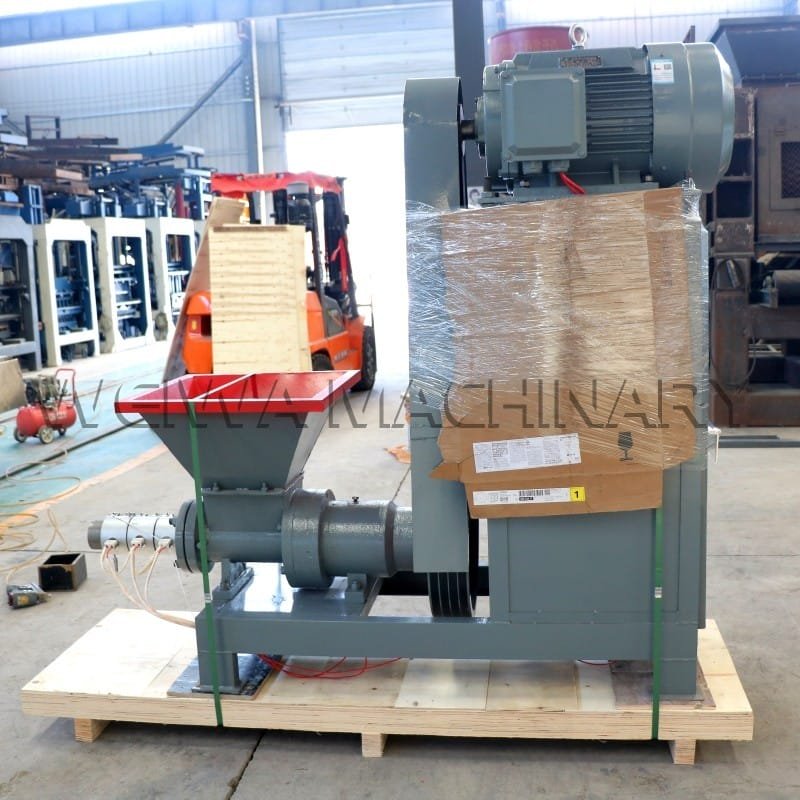
The recent shipment of a complete sawdust extrusion line from Weiwa Machinery to our client in Iraq marks a significant milestone in the expansion of sustainable biomass energy solutions within the region.
The Rising Demand for Sustainable Fuel Solutions in Iraq
Iraq, like many nations grappling with economic diversification and environmental concerns, is increasingly looking towards renewable resources for fuel and energy generation. Traditional reliance on fossil fuels presents challenges ranging from price volatility to environmental degradation. Simultaneously, agricultural and forestry activities generate substantial amounts of waste, primarily in the form of sawdust from wood processing industries. Historically, much of this sawdust has been underutilized or disposed of inefficiently, contributing to potential environmental issues.
The concept of converting this readily available biomass waste into a valuable commodity – high-quality charcoal briquettes – offers a compelling solution. This approach not only addresses waste management but also creates a cleaner-burning, cost-effective alternative fuel source for households and potentially small-scale industrial applications. The introduction of advanced machinery like sawdust extruders and briquetting machines is pivotal in making this transition feasible and economically viable for Iraqi entrepreneurs and businesses.
Understanding the Core Technology Sawdust Extrusion and Briquetting
At the heart of this transformative process lies two key pieces of equipment: the sawdust extruder and the sawdust briquette machine. While sometimes used interchangeably in casual conversation, understanding their distinct roles within the production chain is crucial.
The Sawdust Extruder Mechanism and Function
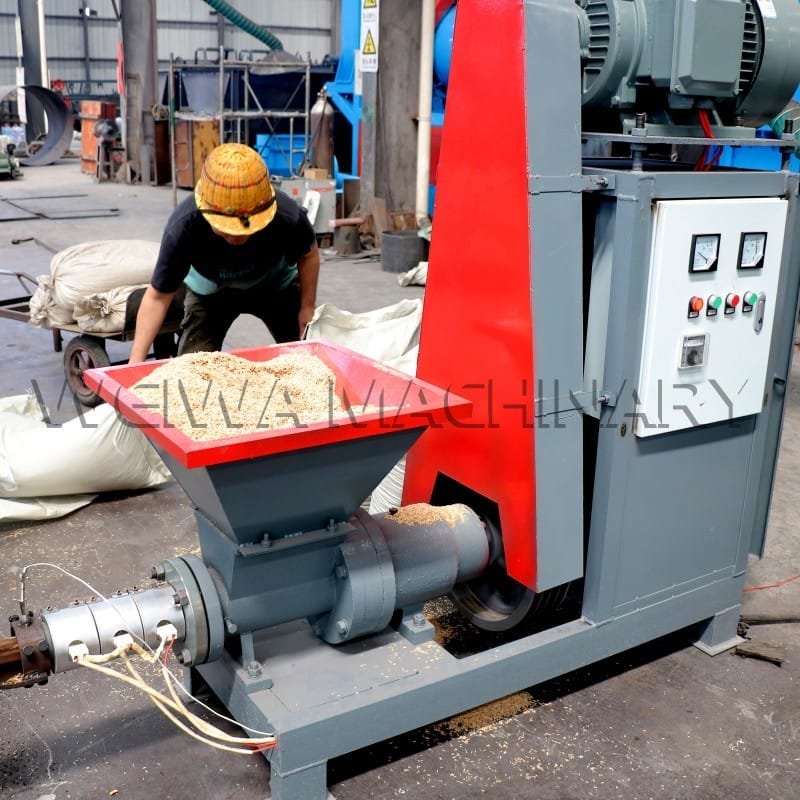
The sawdust extruder machine serves as the initial workhorse in transforming loose sawdust into a densified material suitable for briquetting. Its primary function is compaction and shaping. Raw sawdust, often mixed with a binding agent like starch or clay depending on the specific formulation and desired briquette quality, is fed into the extruder’s hopper. Inside the machine, powerful screws rotate, generating immense pressure that forces the mixture through a specially designed die. This die determines the final shape and size of the extruded “logs” or pre-forms – commonly cylindrical rods known as “hogs.” These extruded logs possess significantly higher density than the original loose sawdust, making them robust enough to withstand handling and subsequent processing steps without crumbling. The extrusion process ensures uniformity and initiates the lignin bonding process inherent in wood fibers, which contributes to the briquette’s structural integrity once dried.
From Extrudate to Briquette The Role of the Sawdust Briquetting Machine
Following extrusion, the densified sawdust logs enter the sawdust briquetting machine. While some systems integrate extrusion and briquetting, standalone briquetting presses often utilize hydraulic or mechanical force to further compress the extruded logs into the final briquette shape. In simpler setups, particularly smaller capacity operations, the extruder itself might produce briquettes directly if equipped with appropriate dies and compression capabilities. Namun begitu, dedicated briquetting machines offer finer control over density and dimensions. They apply immense pressure to the extruded material, squeezing out residual moisture and air, forcing the lignin present in the wood fibers to act as a natural binder upon cooling and drying. This results in dense, hard briquettes with excellent calorific value and combustion characteristics similar to traditional firewood but with significantly reduced smoke and particulate emissions. The efficiency of both the extruder and briquetting stages is critical for maximizing output and ensuring consistent briquette quality.
Why Sawdust Briquettes Are Ideal for the Iraqi Context?
The suitability of sawdust briquettes produced by machines like ours extends beyond simple waste conversion. Several factors make them particularly advantageous for deployment in Iraq:
- Abundant Feedstock: Iraq possesses a growing woodworking and furniture manufacturing sector, alongside agricultural processing activities, generating considerable quantities of sawdust annually. Utilizing this locally sourced waste reduces reliance on imported fuels and minimizes disposal costs.
- High Calorific Value: Properly processed sawdust briquettes boast a calorific value comparable to coal and significantly higher than loose firewood or agricultural residues like straw. This translates to efficient heating and cooking, requiring less fuel volume for the same energy output.
- Cleaner Burning: Compared to burning raw wood or dung cakes, sawdust briquettes burn more cleanly. They produce less smoke and harmful particulate matter, contributing to improved indoor air quality, especially vital in enclosed cooking environments prevalent in many Iraqi households. Reduced smoke also means less soot buildup on cookware and surfaces.
- Reduced Deforestation Pressure: By providing an affordable and efficient alternative fuel derived from waste, briquette production helps alleviate the pressure on dwindling forest resources and natural woodlands, supporting long-term environmental sustainability.
- Economic Opportunity: Establishing small to medium-scale briquette production units using sawdust extruders and briquetting machines creates local employment opportunities, from feedstock collection and processing to sales and distribution. This fosters entrepreneurship and contributes to rural economic development.
The Weiwa Machinery Advantage Quality and Reliability Shipped to Iraq
Choosing the right equipment supplier is paramount for the success of any biomass project. Weiwa Machinery has built a reputation for delivering robust, cekap, and technologically sound machinery tailored for demanding operational environments. Our sawdust extruders and briquetting machines are engineered using high-grade materials and precision manufacturing techniques to ensure durability and longevity, even under continuous operation.
Our commitment extends beyond simply supplying hardware. We provide comprehensive technical support, termasuk panduan pemasangan, operator training materials, and access to spare parts. Understanding the logistical challenges of international shipments, we meticulously plan and execute deliveries like the recent one to Iraq, ensuring all components arrive safely and according to schedule. Our team works closely with clients to customize solutions based on their specific feedstock availability, desired production capacity, and budgetary constraints. The shipment destined for Iraq includes state-of-the-art sawdust extrusion equipment designed for optimal performance with local biomass characteristics.
Setting Up Operations Key Considerations for Iraqi Entrepreneurs
For Iraqi businesses embarking on establishing a sawdust briquette production venture using the incoming machinery, several operational aspects warrant careful planning:
- Feedstock Sourcing and Preparation: Securing a reliable supply of consistent quality sawdust is fundamental. Establishing partnerships with local wood mills and workshops is essential. The sawdust needs to be relatively dry (typically below 15% kandungan lembapan) for optimal extrusion and briquetting results. Drying facilities may be necessary depending on ambient humidity and the moisture content of incoming raw material.
- Binder Selection and Formulation: While lignin acts as a natural binder during briquetting, adding a small percentage of external binder (like cassava starch, wheat flour, or bentonite clay) can enhance briquette strength and water resistance, improving shelf life and usability. Determining the optimal binder type and quantity requires experimentation based on the specific sawdust properties.
- Machine Operation and Maintenance: Proper training for operators on feeding rates, machine settings, safety protocols, and routine maintenance procedures (lubrication, wear part inspection/replacement) is crucial for maximizing uptime and ensuring consistent product quality. Weiwa Machinery provides detailed manuals and remote support to facilitate this.
- Quality Control: Implementing checks at various stages – incoming raw material moisture, extruded log density, final briquette dimensions, hardness, and moisture content – helps maintain product standards and customer satisfaction.
- Market Development: Identifying target customers – households seeking cleaner cooking fuel, restoran, bakeries, poultry farms needing heat, or industries utilizing biomass boilers – is key. Developing branding and packaging strategies can enhance market appeal.
Looking Ahead Biomass Energy and Technological Adaptation
The arrival of the Weiwa Machinery sawdust extrusion line in Iraq signifies more than just a commercial transaction; it represents the adoption of cleaner technology poised to make a tangible difference. As global awareness of climate change intensifies and the need for decentralized energy solutions grows, technologies enabling the valorization of waste biomass become increasingly vital.
We anticipate that successful implementation of this project will serve as a catalyst, inspiring other entrepreneurs and potentially attracting interest from governmental bodies seeking sustainable alternatives to conventional fuels. The versatility of sawdust extruders allows for adaptation; besides briquettes, similar technology can be explored for producing pellets or other densified biofuels suitable for different applications.
Tambahan pula, ongoing research into optimizing binder formulations using locally available agricultural byproducts (like date palm fronds ash or molasses) could further reduce production costs and enhance the sustainability profile of Iraqi briquettes. Integrating solar drying systems could also minimize energy consumption associated with feedstock preparation.
Conclusion A Step Towards Greener Iraqi Energy
The journey of our sawdust extruder and briquetting machine from the Weiwa Machinery factory to the operational site in Iraq is a journey towards a more sustainable future. By harnessing the power of technology to convert waste into wealth, we are empowering Iraqi businesses to contribute to environmental protection, improve public health through cleaner air, and create economic value.
This project underscores the potential of biomass energy solutions in regions rich in organic waste but facing energy security and environmental challenges. Weiwa Machinery remains committed to supporting this transition by providing reliable, cekap, and innovative equipment, backed by unwavering technical support. We look forward to seeing the positive impact this initiative will have on the ground and exploring further opportunities to collaborate in building a greener Iraq.
Mengenai Jentera Weiwa
Weiwa Machinery stands as a leading manufacturer and supplier of biomass processing equipment, specializing in sawdust extruders, sawdust briquette machines, mesin membuat arang, and complete charcoal production lines. With years of experience and a dedication to innovation, we design robust and efficient machinery tailored to meet the diverse needs of clients worldwide. Our commitment to quality engineering, competitive pricing, and exceptional after-sales service ensures our partners achieve sustainable success in their biomass energy ventures. Whether you are setting up a small workshop or planning a large-scale industrial plant, Weiwa Machinery provides the technological backbone for transforming waste into valuable fuel products.


 WeChat

 +8615937143060
