


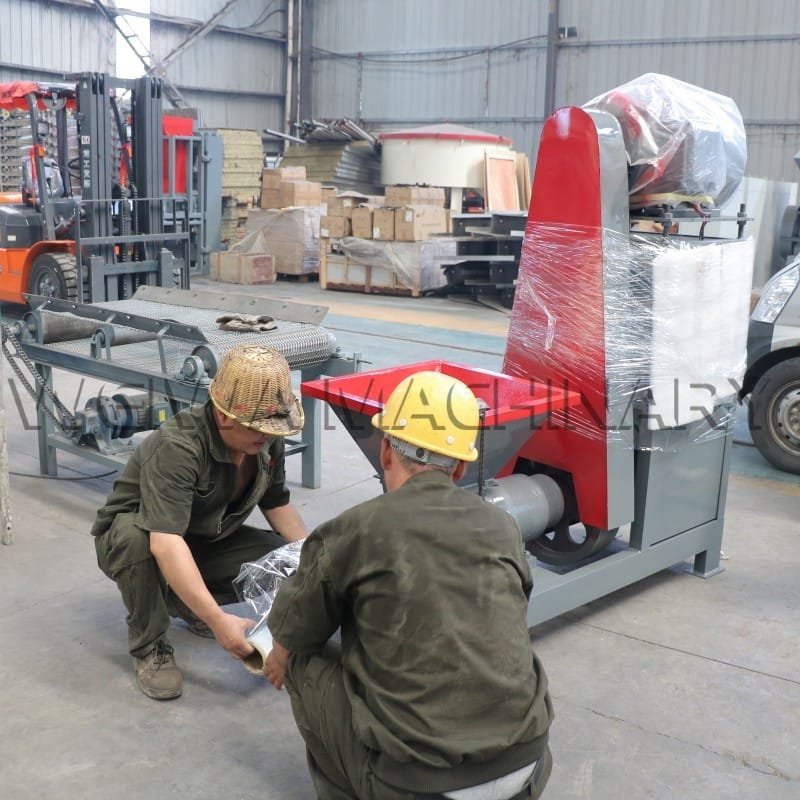
Weiwa Machinery’s Mesin extrude habuk papan Journey to the Philippines
In the heart of Southeast Asia, where lush forests meet vibrant communities, the demand for sustainable energy solutions is rising. Di Weiwa Machinery, we believe that innovation should bridge global needs with local potential—and our recent shipment of a sawdust extrude machine in the Philippines is a testament to this mission. Last week, our team oversaw the loading of a complete charcoal machine production line, including a high-efficiency penyemperit habuk papan, sawdust briquette machine, dan mesin briket habuk papan, bound for a client in Manila. This wasn’t just a delivery; it was the start of a journey to transform agricultural waste into clean fuel, empowering Filipino entrepreneurs and reducing reliance on deforestation.
As we watched the containers roll out of our factory, we reflected on why the Philippines matters to us—and why sawdust-based charcoal production is more than a business; it’s a climate solution.
Why the Philippines? The Urgent Need for Sustainable Charcoal Solutions
The Philippines faces a dual challenge: meeting growing energy demands while preserving its rich biodiversity. Dengan lebih 70% of households relying on charcoal for cooking—often sourced from illegal logging—the country loses thousands of hectares of forest annually. Enter sawdust extrude machines and briquetting technology: tools that turn waste (habuk papan, sekam padi, Kerang kelapa) into uniform, high-calorific charcoal briquettes.
For Filipino smallholders and SMEs, this isn’t just about compliance; it’s about opportunity. A single penyemperit habuk papan can process 500–1000 kg of waste daily, creating briquettes that sell at a premium over traditional lump charcoal. Yet, many lack access to reliable machinery. That’s where we step in. Our client in the Philippines, a social enterprise focused on rural development, chose our line to scale production and train local operators—proof that technology can drive both profit and planet.
Demystifying Sawdust-Based Charcoal: The Science Behind the Process
To appreciate our sawdust briquette machine, we must first understand how sawdust becomes charcoal. Unlike traditional methods that burn wood directly (releasing CO₂ and particulates), modern extrusion leverages pyrolysis and compression to create “carbonized” fuel. Let’s break it down.
Langkah 1: Preparing the Raw Material – More Than Just Sawdust
Sawdust is the star, but not the only actor. Optimal briquette quality depends on material moisture (8-12%) and particle size (≤5mm). Our clients in the Philippines often mix sawdust with coconut shell fragments or rice husks—local byproducts that boost density. Before feeding into the penyemperit habuk papan, the material is dried (via solar dryers or our optional hot-air systems) and sieved to remove impurities. Fun fact: Overly wet sawdust clogs extruders; too dry, and briquettes crumble. Precision here is key.
Langkah 2: Extrusion – The Magic of the Sawdust Extruder
This is where our sawdust extrude machine shines. Inside the extruder, raw material meets high pressure (50–150 MPa) and heat (120–180°C) generated by friction between rotating screws and the barrel. The pressure forces lignin—a natural polymer in plant cells—to act as a binder, eliminating the need for chemicals. The result? A dense, cylindrical “green briquette” (un-carbonized) ready for carbonization.
Why does this matter for the Philippines? Traditional charcoal kilns are inefficient, wasting 60–70% of energy as smoke. Our extruder ensures consistent briquette shape and density, so when carbonized (in kilns or retorts), they burn longer and cleaner. A 2022 study in Renewable Energyfound that extruded sawdust briquettes emit 40% less particulate matter than lump charcoal—critical for air quality in crowded Philippine cities.
Langkah 3: Carbonization – Turning Green Briquettes into Gold
Carbonization is the final alchemy. Our line includes a batch-type carbonization kiln (customizable for client space) where green briquettes are heated to 300–600°C in low-oxygen conditions. This drives off volatile gases (which can be captured for secondary heating) and leaves behind fixed carbon—the essence of charcoal. The process takes 6–12 hours, depending on scale.
Here’s a pro tip from our engineers: Slow carbonization (lower temps, longer time) yields harder, slower-burning briquettes—ideal for grilling. Faster carbonization suits industrial boilers. Kami mesin briket habuk papan clients in the Philippines often adjust parameters based on end-use, maximizing versatility.
What’s in the Box for the Philippines?
When our team arrived at the Port of Manila to oversee unloading, the excitement was palpable. The container held more than metal—it carried a blueprint for sustainable growth. Let’s explore the core components of the shipped line.
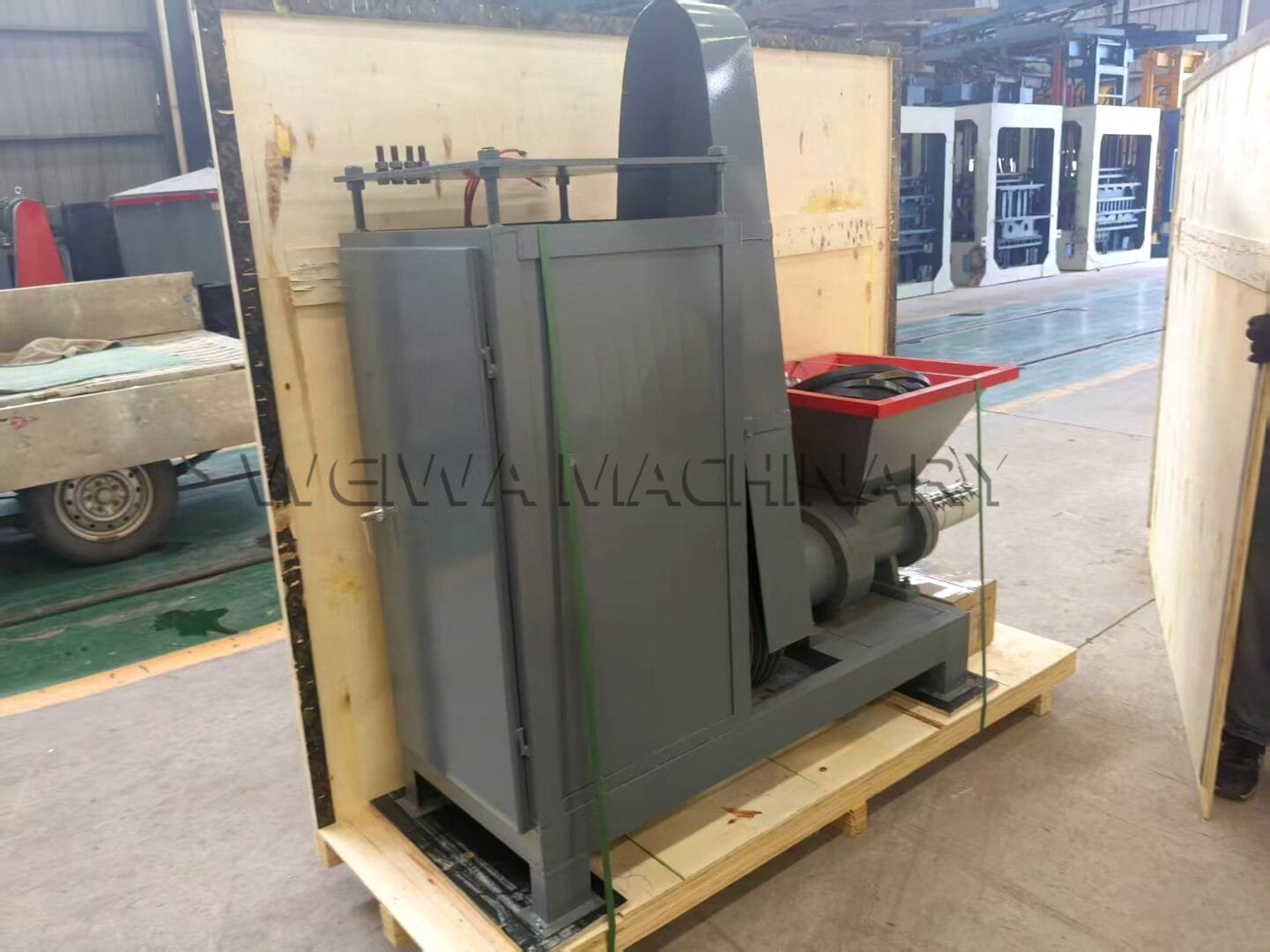
The Sawdust Extruder – Built for Tropical Conditions
Kami penyemperit habuk papan is no off-the-shelf model. Designed for humid climates like the Philippines’, it features corrosion-resistant stainless steel screws and a cooling system to prevent overheating during continuous operation. With a capacity of 800 kg/hour, it’s ideal for scaling from pilot projects to commercial plants. We included spare parts (seals, bearings) and a user manual translated into Tagalog—because accessibility empowers success.
Sawdust Briquette Machine & Briquetting Machine – Twin Engines of Efficiency
While “extruder” and “briquetting machine” are often used interchangeably, our setup clarifies roles: the extruder shapes the briquette; auxiliary briquetting presses (for specialized shapes) add flexibility. For the Philippines client, we prioritized a compact design—critical for land-constrained urban workshops. The machine’s PLC control panel allows operators to tweak pressure and speed via touchscreen, reducing training time.
Auxiliary Systems – Drying, Conveying, and Safety First
No production line is complete without support. We shipped a rotary dryer (powered by biomass gas from the carbonization process—talk about circular economy!), belt conveyors to move material between stages, and fire suppression systems. In a country prone to typhoons, we reinforced packaging with moisture barriers and shock-absorbent materials. Our after-sales team will conduct virtual training sessions, ensuring the client’s staff can troubleshoot issues remotely.
Charcoal Production in the Philippines – Challenges and Opportunities
Deploying a sawdust extrude machine in the Philippines isn’t without hurdles. Let’s address common concerns and how our line mitigates them.
Challenge 1: Inconsistent Raw Material Supply
Smallholder farmers may produce irregular sawdust volumes. Our solution? Modular design. The extruder can run on partial loads, and we recommend partnering with furniture workshops or coconut mills for steady supply. In Negros Occidental, one of our pilot clients sources sawdust from 20+ local carpenters, creating a micro-waste network.
Challenge 2: Energy Costs for Carbonization
Traditional kilns use wood as fuel, perpetuating deforestation. Our carbonization system recycles volatile gases—cutting fuel costs by 30%. For off-grid areas, we offer solar-powered dryers as an add-on.
Opportunity: Market Demand for Eco-Friendly Products
Filipino consumers are increasingly eco-conscious. Brands like GreenFuel PHnow market extruded briquettes as “forest-friendly,” commanding 20–30% higher prices. Our client plans to brand their product with QR codes tracing its origin—building trust and loyalty.
Mengapa Memilih Jentera Weiwa?
Di Weiwa Machinery, we don’t just build machines; we build partnerships. Here’s what sets us apart:
- Localized Expertise: We’ve installed 50+ lines in Southeast Asia, adapting designs to monsoons, humidity, and material availability.
- Sustainability Focus: Our machines prioritize energy efficiency and waste reduction—aligning with UN SDG 7 (affordable clean energy).
- Lifetime Support: From installation to maintenance, our team is just a call away. We even offer financing options for startups.
Kami penyemperit habuk papan and briquetting machines aren’t just tools; they’re catalysts for change. Di Filipina, they’ll help turn waste into wealth, forests into futures, and smoke into progress.
Conclusion – A Greener Tomorrow Starts Today
As the last container was unloaded in Manila, we felt more than pride—we felt hope. The sawdust extrude machine in the Philippines is more than steel and circuits; it’s a promise that small actions (like recycling sawdust) can spark big impacts. For Filipino entrepreneurs, it’s a ticket to economic resilience. For the planet, it’s a step toward carbon neutrality.
Di Weiwa Machinery, we’re honored to be part of this journey. If you’re ready to transform waste into opportunity, let’s talk. Together, we can build a world where every briquette burns brighter—for business, and for Earth.
Mengenai Jentera Weiwa
Weiwa Machinery is a leading manufacturer of biomass processing equipment, specializing in sawdust extrude machines, Mesin Briket, and complete charcoal production lines. Dengan 30+ years of experience and a presence in 30+ negara, we combine cutting-edge engineering with a commitment to sustainability. Our mission: empower communities to turn waste into value, one briquette at a time. Contact us today to learn how our solutions can fit your needs.
- Mob:+8613838093177
- WhatsApp:+8613838093177
- E-mel:info@cjlmachinegroup.com


 WeChat

 +8615937143060
