


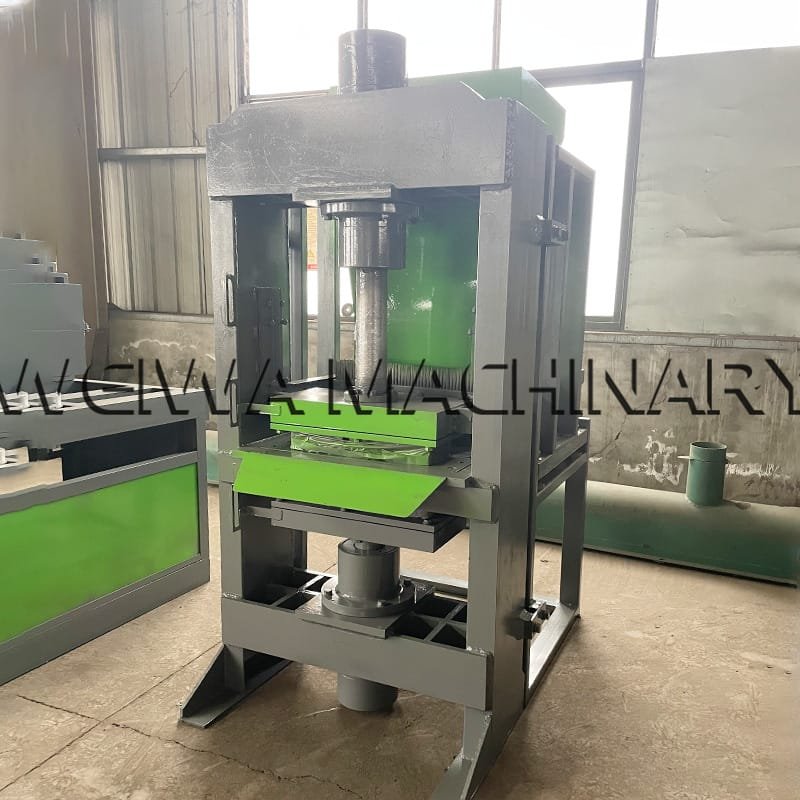
Sri Lanka, an island nation renowned for its lush tropical landscapes, is also a significant producer of coconuts. Depuis des décennies, coconut shells were often treated as agricultural waste or burned inefficiently. Cependant, a new wave of eco-conscious entrepreneurs in Sri Lanka is turning this byproduct into a lucrative business: premium shisha and BBQ charcoal. At the heart of this transformation lies a critical piece of technology—the Machine de presse BBQ Hydraulic Shisha. À Weiwa Machinery, we have witnessed a surge in demand for our robust hydraulic presses from clients in Colombo and beyond, all seeking to elevate the quality of their charcoal products.
The journey from a discarded coconut shell to a high-performance charcoal briquette is complex. It requires precision, power, and most importantly, the ability to create a dense, consistent product. This is where standard mechanical presses fall short and why our Hydraulic Shisha BBQ Press Machine Product Line has become the preferred choice for serious manufacturers looking to capture the high-end market in Sri Lanka and across Asia.
The Science Behind Density Why Hydraulic Presses Outperform Mechanical Alternatives
When producing charcoal for shisha or barbecue purposes, the physical properties of the briquette dictate the user experience. A common complaint among end-users is charcoal that burns too quickly, produces excessive ash, or fails to retain heat. These issues are almost always linked to low density. Traditional mechanical presses, which rely on mechanical leverage or screws, simply cannot generate the immense and sustained pressure required to compact fine charcoal powder effectively.
Notre Hydraulic presses for Sri Lanka are engineered specifically to solve this problem. Utilizing a sophisticated hydraulic pumping station, these machines exert a staggering 100 à 200 tons of pressure. This force is not a sudden impact but a controlled squeeze. Imagine trying to compress flour into a solid brick with your hands versus using a industrial vice; the principle is similar. The hydraulic system applies pressure slowly and holds it, allowing the particles to rearrange and bind under extreme force.
This process results in briquettes with a much finer texture and superior compactness compared to those made with lower-pressure machinery. The surface of the finished charcoal is smoother, and the internal structure is homogeneous. For the Sri Lankan client using coconut shells, this means that every kilogram of raw material yields a higher volume of usable, high-quality briquettes that do not crumble during transport—a common issue when shipping to international markets.
Enhancing Combustion Performance with Superior Material Structure
The primary goal for any charcoal manufacturer is to produce a product that burns cleanly and efficiently. The high density achieved by our Machine de presse BBQ Hydraulic Shisha directly translates to improved combustion performance. Because the briquettes are compressed so tightly, they possess a lower porosity. This structural integrity offers two major benefits during burning.
D'abord, the charcoal ignites more reliably and reaches a higher temperature faster because there are fewer air gaps to interfere with the initial flame propagation. Deuxième, and more importantly, the burn time is significantly extended. A dense briquette consumes its carbon structure slowly, providing a steady, long-lasting heat source ideal for prolonged shisha sessions or large-scale barbecuing. Users in Sri Lanka report that charcoal produced by our hydraulic presses lasts up to 30% longer than charcoal made from the same material using less advanced equipment.
En outre, the reduced ash content is a direct result of the binding efficiency during the pressing stage. When coconut shell powder is properly bound under high pressure, it creates a stable carbon matrix that leaves minimal residue after combustion. This is a key selling point for premium hookah lounges and restaurants that prioritize cleanliness and customer experience.
Customization and Adaptability for Coconut Shell Processing
Every raw material behaves differently, and coconut shell charcoal presents its own unique challenges. It is abrasive and has an irregular particle shape compared to wood charcoal. Our engineers at Weiwa Machinery understand these nuances. That is why our Hydraulic Shisha BBQ Press Machine Product Line features fully customizable molds and die sets. Whether our client in Sri Lanka needs traditional cubes, rondes, or specialized finger-shaped sticks for shisha pipes, the machine can accommodate the request without compromising on pressure consistency.
The integration of a PLC (Programmable Logic Controller) system allows operators to fine-tune the pressure parameters and pressing cycles. This level of control is impossible with manual or purely mechanical systems. If the moisture content of the coconut shell powder fluctuates slightly due to humidity in the Sri Lankan climate, the operator can adjust the pressure setting on the fly via the digital interface, ensuring that every batch maintains the same high standard. This adaptability makes our Hydraulic presses for Sri Lanka an invaluable asset for year-round production stability.
The Complete Production Ecosystem Beyond the Press
While the hydraulic press is the star of the show, producing high-quality coconut shell charcoal requires a synchronized production line. We advise our clients to consider the entire workflow to maximize the efficiency of the Machine de presse BBQ Hydraulic Shisha. The process typically begins with a carbonization furnace, where coconut shells are converted into brittle charcoal. Following this, a charcoal crusher grinds the material into a fine powder, usually below 3mm, which is essential for achieving that “fine texture” we discussed earlier.
Suivant, a binder mixer ensures the powder is evenly coated with a natural adhesive before being fed into the hopper of the hydraulic press. After molding, the wet briquettes require drying. Our recommended solution is a modern heat pump dryer equipped with its own PLC controls, ensuring gentle and uniform drying that prevents cracking. By integrating these components—from crushing to drying—our clients in Sri Lanka can create a seamless, automated production line centered around the core power of the hydraulic press.
Packaging and Logistics Considerations for Export
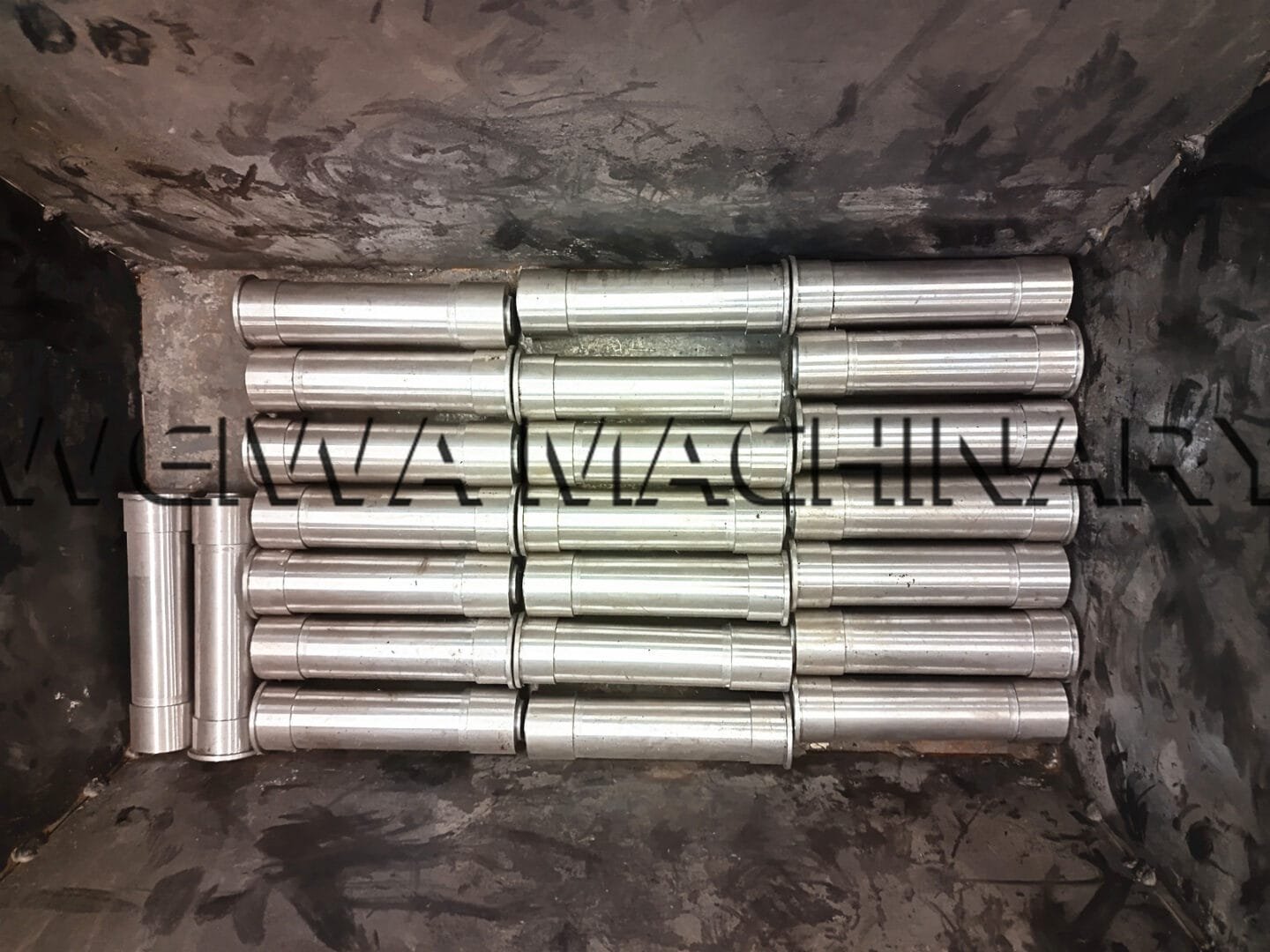
For businesses in Sri Lanka aiming to export their coconut shell charcoal, packaging integrity is paramount. The high density of briquettes produced by our Machine de presse BBQ Hydraulic Shisha already reduces breakage risks. To further protect the investment, we implement strict packaging protocols before shipment. Each machine is wrapped meticulously in plastic film to guard against moisture. Depending on the order size, machines are either secured in custom-built wooden cases for LCL (Less than Container Load) shipments or loaded securely into full containers.
We understand that importing heavy industrial machinery like Hydraulic presses for Sri Lanka can be daunting. Our logistics team works closely with freight forwarders to ensure smooth customs clearance and timely delivery to ports in Sri Lanka. The robust construction of our machines means they arrive ready to install and operate, minimizing downtime for the client.
À propos Machinerie Weiwa Your Partner in Briquette Technology
Établi en 1990, Weiwa Machinery brings over three decades of engineering excellence to the table. With more than 30 years of dedicated experience in the manufacturing sector, we have evolved into a global leader in briquette press solutions. Our reputation is built not just on durable machinery, but on a foundation of professional service. We house a team of expert technicians and engineers who are passionate about solving industrial challenges, whether it involves designing custom molds or optimizing an entire production layout.
At Weiwa, we pride ourselves on offering comprehensive support that extends far beyond the point of sale. Our after-sales service team provides remote guidance and on-site assistance to ensure your production line runs smoothly. We also offer bespoke customization services, including detailed drawings and site planning, tailored to the specific spatial and operational constraints of your factory. Having exported our machines to over 90 countries and served more than 2 millions de clients dans le monde, we are confident in our ability to deliver value.
If you are in Sri Lanka or anywhere else in the world and are interested in transforming coconut shells or other biomass into profitable, high-density charcoal products, we invite you to connect with us. Contact Weiwa Machinery today to get a quote and start your project.
Mobile: +8613838093177
Whatsapp: +8613838093177
E-mail: info@cjlmachinegroup.com


 Wechat

 +8615937143060
