


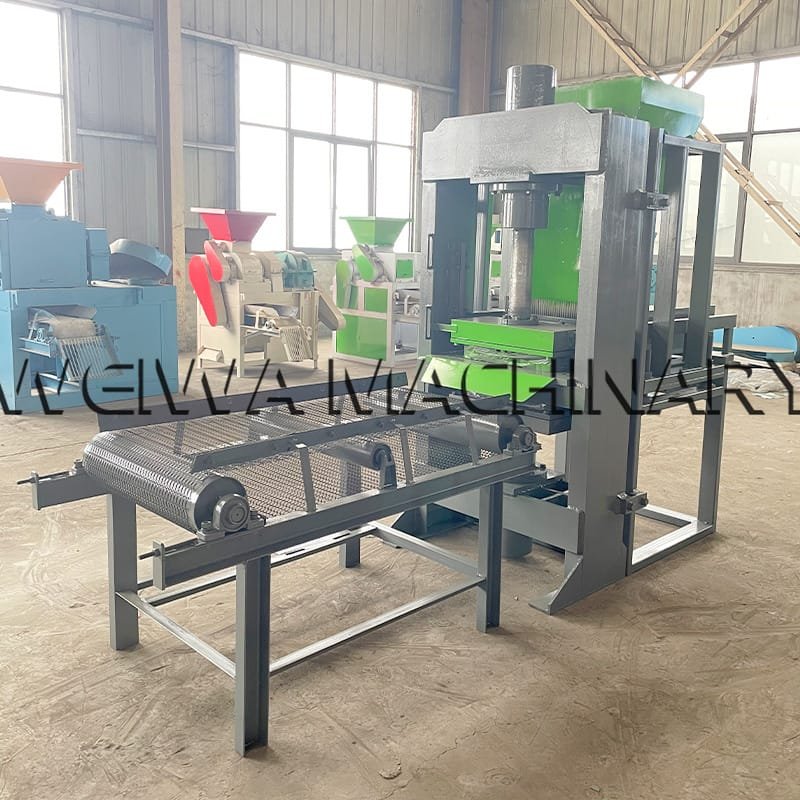
In the heart of East Africas vibrant development landscape, Uganda stands as a nation rich in agricultural heritage and biomass resources. Yet, alongside this abundance lies a challenge familiar to many emerging economies the underutilization of organic waste and the pressing need for clean, affordable energy alternatives. في الآلات Weiwa, with over thirty years of expertise in manufacturing hydraulic press equipment, we believe the solution lies in harnessing technology that transforms waste into wealth. Our recent collaboration with a client in Uganda to test a hydraulic briquette machine not only demonstrated the machines robust capabilities but also illuminated the immense potential of hydraulic briquette press systems to reshape Ugandas energy and industrial sectors.
Understanding The Role Of Hydraulic Press Briquetting In Modern Sustainability
The global shift toward sustainable development has placed biomass briquetting at the forefront of circular economy initiatives. Unlike traditional fuels that rely on deforestation or fossil imports, biomass briquettes are compacted forms of agricultural residues, نشارة الخشب, قشور القهوة, قش الأرز, and other organic materials that would otherwise be discarded. This is where the hydraulic press briquetting machine emerges as a game changer. By applying high pressure without excessive heat, these machines bind loose biomass particles into dense, uniform briquettes with high calorific value, making them ideal for cooking, التدفئة, and even small scale industrial processes.
For Uganda, where over 80% of the population depends on biomass for cooking, the adoption of hydraulic briquette press technology addresses two critical pain points: reducing reliance on charcoal (a driver of deforestation) and creating economic opportunities from waste. A well designed hydraulic briquette machine does more than compress materials it unlocks a pathway to cleaner air, preserved forests, and income generation for rural communities.
Why Uganda Is Poised To Embrace Hydraulic Briquette Machine Solutions?
Ugandas unique context makes it a fertile ground for hydraulic briquette technology. The countrys agricultural sector produces vast quantities of crop residues annually maize cobs, قصب السكر, groundnut shells, and cotton stalks that currently go to waste or are burned in open fields, contributing to air pollution. معًا, urban areas face rising demand for affordable cooking fuel, with charcoal prices volatile and supply chains often unsustainable.
The hydraulic briquette machine for Uganda is particularly suited to this scenario. Unlike mechanical presses that may struggle with inconsistent feedstock, hydraulic systems excel at handling diverse biomass types, adjusting pressure to accommodate variations in moisture content and particle size. This adaptability is crucial in Uganda, where feedstock availability can fluctuate seasonally. علاوة على ذلك, the machines ability to produce briquettes with minimal additives aligns with local preferences for natural, chemical free fuels, enhancing their market acceptance.
Beyond practicality, Ugandas growing focus on renewable energy policy creates a supportive environment. Government initiatives to promote clean cooking solutions and reduce carbon emissions have spurred interest in briquetting projects, while donor funded programs often seek scalable technologies that empower smallholder farmers and women led enterprises. For businesses and entrepreneurs in Uganda, investing in a hydraulic briquette press represents not just a technological choice but a strategic move to align with national sustainability goals.
Weiwa Machinerys On Site Trial A Testament To Hydraulic Briquette Machines Reliability
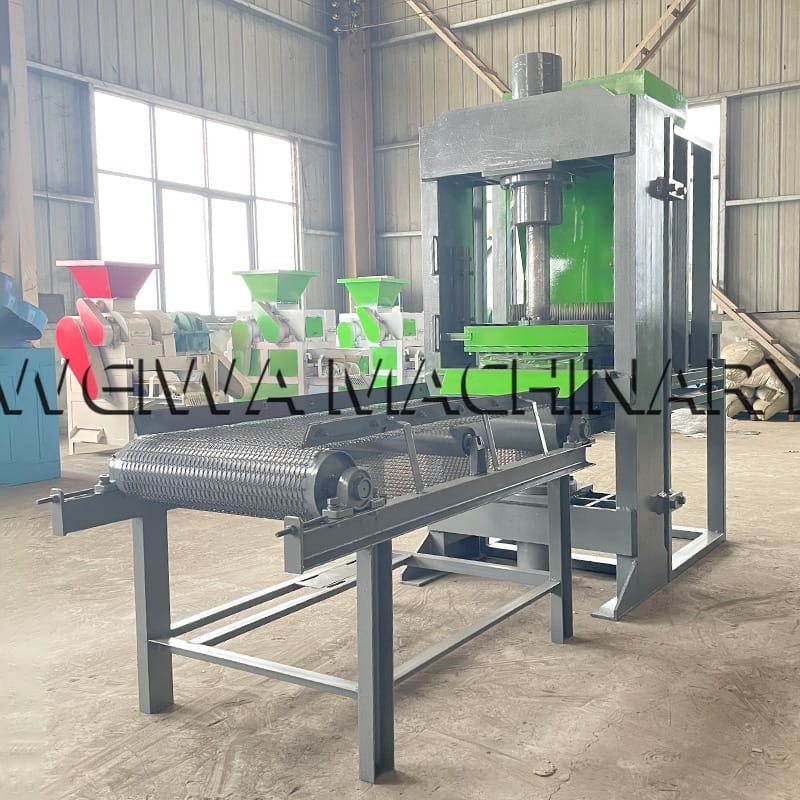
When our Ugandan client approached Weiwa Machinery, they sought a solution to process coffee husks and rice straw from nearby farms into marketable briquettes. Coffee is Ugandas top export, and the husks left after processing are typically dumped, posing disposal challenges. Rice cultivation in regions like Mubende and Kiryandongo generates substantial straw, much of which is burned, releasing harmful pollutants. Turning these wastes into fuel offered a dual benefit: solving disposal issues and creating a revenue stream.
To ensure the hydraulic briquette machine would meet their needs, we arranged an on site trial at our factory before shipment. This allowed the client to witness firsthand the machines performance with locally relevant feedstock. أثناء المحاكمة, we used a medium sized hydraulic briquette press capable of processing 500 kg of material per hour. The client brought samples of dried coffee husks and chopped rice straw, which our team fed into the machine after confirming optimal moisture levels (أقل 15%, as recommended for efficient binding).
The results were compelling. The hydraulic system applied consistent pressure, compressing the loose biomass into cylindrical briquettes measuring 50 mm in diameter and 100 mm in length. Despite the irregular shape of the coffee husks, the briquettes held firm, with no visible cracks or crumbling. We tested their density (achieving 1.2 ز/سم) and calorific value (averaging 18 MJ/kg), comparable to commercial charcoal. The client noted the machines low noise operation and minimal maintenance requirements during the trial, key factors for operations in rural settings where technical support may be limited.
Crucially, the trial highlighted the machines ease of use. Our hydraulic briquette press features an intuitive control panel, allowing operators to adjust pressure and cycle time with minimal training. For Ugandas workforce, many of whom may be new to mechanized equipment, this user friendly design reduces the learning curve and ensures consistent output. After the trial, the client expressed confidence in scaling up production, envisioning a small briquetting unit that could employ local youth and supply fuel to nearby households and small eateries.
Maximizing The Impact Of Hydraulic Briquette Press In Uganda Market
The success of our Ugandan trial underscores that the potential of hydraulic briquette machines extends far beyond individual enterprises. When integrated into broader value chains, these machines can drive systemic change. على سبيل المثال, cooperatives of smallholder farmers could pool their crop residues, using a shared hydraulic press briquetting machine to produce briquettes for sale in urban markets. This model not only increases farmers incomes but also reduces transportation costs associated with moving raw waste to distant disposal sites.
In urban centers like Kampala, where indoor air pollution from charcoal stoves contributes to respiratory illnesses, promoting briquettes made by hydraulic briquette presses offers a public health benefit. NGOs and social enterprises can leverage such machines to launch clean cooking initiatives, targeting low income households with affordable, eco friendly fuel. بالإضافة إلى ذلك, industries such as poultry farming and brick making, which require consistent heat sources, can replace coal or firewood with briquettes, lowering operational costs and carbon footprints.
Weiwa Machinery recognizes that realizing this potential requires more than supplying equipment. Thats why we emphasize customized service and design support. For the Ugandan client, we provided a layout plan for their proposed workshop, considering space for feedstock storage, machine operation, and briquette packaging. Our team also outlined a maintenance schedule, including tips for lubricating hydraulic components and replacing wear parts, ensuring long term reliability. This holistic approach is central to our philosophy: a hydraulic briquette machine is not just a piece of hardware but a catalyst for sustainable business growth.
Overcoming Challenges And Seizing Opportunities In Ugandas Briquette Sector
Like any emerging market, Uganda presents unique challenges for hydraulic briquette machine adopters. Access to reliable electricity can be a concern in rural areas, though many briquetting operations run on diesel generators or solar power, which the machines energy efficient design accommodates. Another consideration is feedstock collection and preprocessing; while our hydraulic press briquetting machine handles varied materials, consistent sizing and drying improve efficiency. To address this, we advise clients to invest in simple chippers and dryers, which we can also source or recommend.
لكن, the opportunities far outweigh these hurdles. The global biomass briquette market is projected to grow steadily, driven by demand for renewable energy, and Uganda is well positioned to carve a niche as a regional supplier. With its abundant raw materials and youthful workforce, the country can build a competitive briquetting industry that exports not just fuel but expertise. Weiwa Machinerys role is to empower this growth through durable, adaptable equipment and unwavering support. Our professional after sales team is available around the clock to assist with troubleshooting, توريد قطع الغيار, and operator training, ensuring that every hydraulic briquette machine we deliver continues to perform optimally.
Conclusion Harnessing Hydraulic Briquette Technology For Ugandas Green Transition
The journey of our Ugandan client with the hydraulic briquette machine exemplifies how technology can bridge the gap between waste and opportunity. في الآلات Weiwa, we are proud to contribute to Ugandas sustainable development by providing equipment that turns biomass into a valuable resource. Whether processing coffee husks in Jinja or rice straw in Lira, our hydraulic press briquetting machines are built to withstand harsh conditions and deliver consistent results, enabling local entrepreneurs to build resilient, eco friendly businesses.
As Uganda moves toward a greener future, the hydraulic briquette press will play a pivotal role in shaping its energy landscape. With the right technology, partnerships, and vision, the country can transform its agricultural waste into a cornerstone of economic growth and environmental stewardship. Weiwa Machinery remains committed to walking this path with our clients, offering not just machines but a partnership dedicated to success.
عن آلات ويوا
With over thirty years of experience in manufacturing hydraulic machinery, Weiwa Machinery has established itself as a trusted name in the field of briquetting and pressing solutions. Our portfolio includes hydraulic press briquetting machines, مكابس فحم حجري هيدروليكية, and customized systems tailored to diverse industries and regions, including successful deployments of hydraulic briquette machines for Uganda and hydraulic briquette in Laos. What sets us apart is our professional after sales team, which provides end to end support from installation to maintenance, ensuring seamless operations for our clients. We specialize in customized service and design, offering detailed drawings and site planning to optimize workflow and space utilization. Whether you are exploring biomass briquetting for the first time or scaling an existing operation, we invite you to contact us for inquiries and quotations. Let us help you turn your waste into wealth with reliable, efficient hydraulic briquette technology.
Mob/Whatsapp: +8613838093177
E Mail: info@cjlmachinegroup.com


 WeChat

 +8615937143060
