


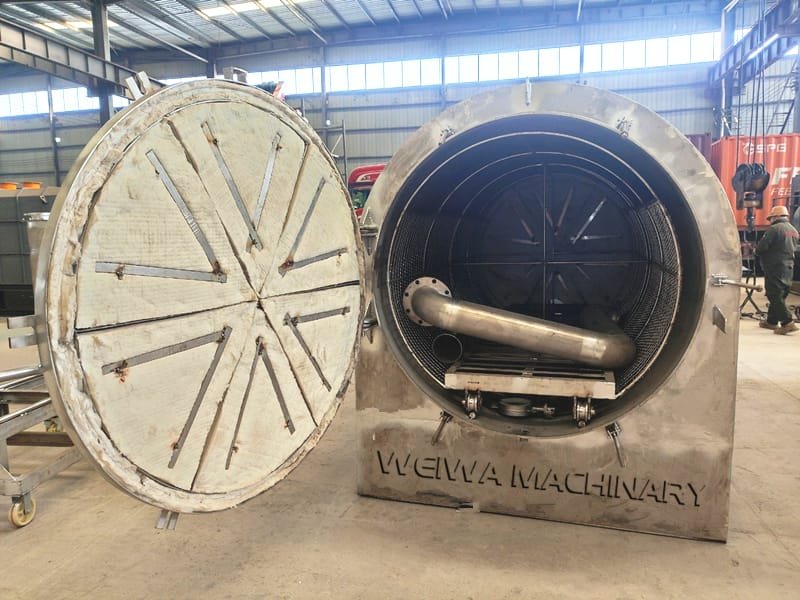
The recent shipment of our flagship horizontal carbonization furnace marks a significant milestone for both Weiwa Machinery and the growing biomass processing industry in Bhutan. This delivery represents more than just the transportation of heavy industrial equipment; it signifies a step forward in sustainable resource management for the region. As a leading manufacturer of charcoal making machines, we are proud to support Bhutanese enterprises with technology that converts agricultural waste into high-value charcoal efficiently and cleanly. العملية برمتها, from factory testing to the final loading onto the cargo vessel bound for Thimphu, was executed with precision, ensuring the client receives a fully operational system ready for immediate installation.
Understanding the specific needs of the Bhutan market is crucial for delivering effective solutions. The demand for high-quality charcoal in South Asia continues to rise, driven by both domestic consumption and export opportunities. لكن, traditional methods of charcoal production are often inefficient, ضارة بالبيئة, and result in low yields. Our horizontal carbonization furnace addresses these challenges directly by providing a controlled, الآلي, and environmentally responsible alternative.
Technical Superiority of the فرن الكربنة الأفقي
The horizontal carbonization furnace shipped to Bhutan is not merely a piece of machinery; it is an integrated system designed for maximum efficiency and minimal environmental impact. Unlike traditional earth pits or brick kilns, this model utilizes a barrel-style chamber mounted on rails, which fundamentally changes the logistics of loading and unloading materials. The design allows for the use of carts to feed wood logs, الخيزران, or coconut shells into the chamber systematically. This mechanized approach drastically reduces manual labor while increasing safety standards at the production site. The core principle of operation involves indirect heating, where the raw materials are not exposed to direct flame but are instead heated by hot gases circulating within the jacket of the drum.
One of the most critical technological breakthroughs in this charcoal making machine is its advanced gas-purification system. أثناء عملية الكربنة, wood releases volatile gases, including methane, قطران, and other condensates. In conventional setups, these substances are released into the atmosphere as pollutants, creating thick smoke and contributing to air quality issues. Our system captures these emissions, processes them through a series of cooling and cleaning stages, and recycles the purified combustible gas back into the burner. This closed-loop system sustains internal temperatures close to 600 degrees Celsius without requiring constant external fuel input. Consequently, fuel consumption is reduced by up to 40 percent compared to older models, and the emission of black smoke is virtually eliminated. This feature is particularly important for Bhutan, a country known for its commitment to environmental conservation and maintaining a carbon-neutral footprint.
Heat distribution within the furnace is another area where this horizontal design excels. The rotation of the barrel ensures that every part of the raw material charge is exposed to consistent thermal conditions. This uniform heating prevents the common problem of over-carbonization in some areas and under-carbonization in others, which is often seen in static vertical kilns. The result is a higher yield of premium-grade charcoal with a fixed carbon content that meets international standards. For businesses in Bhutan looking to produce charcoal for both local use and export, this consistency is key to building a reliable brand reputation.
Why Bhutan is the Ideal Market for This Charcoal Kiln?
Bhutan’s unique economic and environmental landscape makes it an ideal candidate for adopting advanced carbonization technology. The country possesses abundant supplies of agricultural residues and forest resources, including dense hardwoods and bamboo, which are perfect feedstocks for our horizontal carbonization furnace. Local farmers and small-to-medium-scale producers often struggle with what to do with leftover biomass after harvests. By introducing an efficient charcoal kiln, we provide a solution that transforms this waste into a profitable commodity. Instead of burning residue in open fields, which creates air pollution, producers can now process it into charcoal briquettes or lump charcoal.
The logistical aspect of shipping a heavy charcoal making machine to Bhutan requires careful planning. Due to the country’s mountainous terrain and developing infrastructure, equipment must be robust enough to withstand long-distance transport and arrive in perfect working order. Our engineering team reinforced the structural integrity of this particular unit, ensuring all components were securely fastened and protected against moisture and vibration during transit. We understand that downtime is costly for our clients, so every bolt and weld was inspected before the container was sealed. The compact footprint of the horizontal furnace also makes it suitable for smaller plots of land often available to rural entrepreneurs in Bhutan, maximizing production capacity without demanding excessive real estate.
بالإضافة إلى, the automation level of this furnace aligns perfectly with the goals of modern Bhutanese industries. While traditional methods require constant monitoring and manual stoking, our system features automated temperature controls and timing mechanisms. An operator can manage the entire process with minimal intervention, allowing them to focus on other aspects of their business. This ease of use, combined with low maintenance requirements, ensures that even producers new to industrial-scale carbonization can achieve professional results from day one.
Preparing the Shipment to Bhutan
The journey of this horizontal carbonization furnace began weeks before it left our factory floor. It started with a detailed consultation with the Bhutanese client to understand their specific raw material characteristics, desired daily output, and local environmental regulations. Based on this data, our engineers configured the furnace parameters, selecting the optimal drum speed, insulation thickness, and gas recycling rates. Once manufacturing was complete, the machine underwent a rigorous quality assurance protocol. We simulated a full production cycle using locally sourced wood to demonstrate the furnace’s performance, capturing video evidence for the client to review remotely.
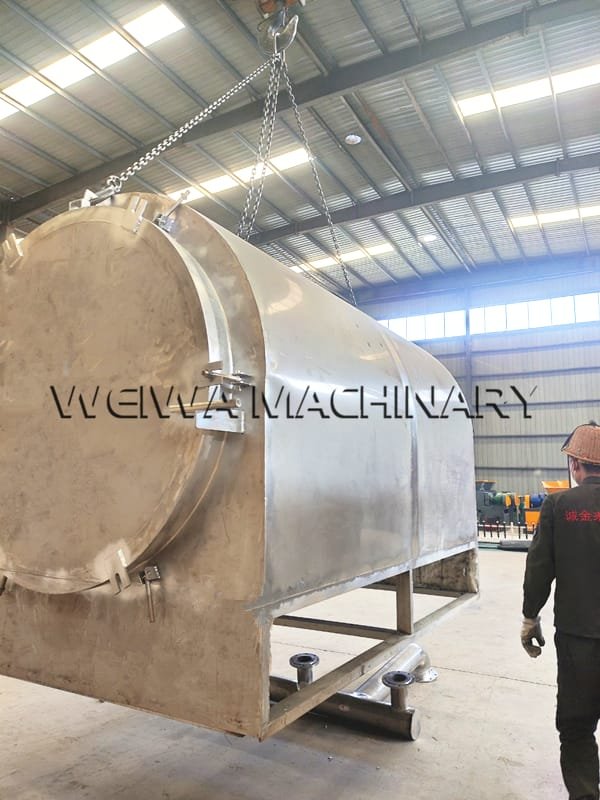
Packaging and loading were handled by our specialized logistics team. Given the weight and dimensions of the charcoal kiln, standard packaging would not suffice. We constructed custom steel frameworks and used anti-rust coatings on all metallic surfaces to protect against the humid sea voyage. The loading process itself was a carefully choreographed operation. Using heavy-duty cranes, we lifted the main chamber and auxiliary equipment—including the cooling tower, induced draft fan, and control cabinet—into the shipping container. Each component was braced with wooden supports and steel straps to prevent any movement during transit. Photographic documentation was taken at every stage to ensure transparency and accountability.
Communication with the client remained open throughout the process. From providing the Bill of Lading details to estimated arrival times at the port of entry, we ensured the client felt supported. This commitment to service extends beyond the point of sale. Upon arrival in Bhutan, our technical team will guide the local team through installation and commissioning via video call, ensuring the horizontal carbonization furnace begins producing high-quality charcoal as soon as possible.
The Broader Impact of Efficient Charcoal Production
Introducing a high-efficiency horizontal carbonization furnace to Bhutan has implications that go far beyond a single factory. It sets a precedent for how natural resources can be utilized responsibly. By replacing outdated kilns with modern systems, the region can significantly reduce deforestation rates, as less wood is required to produce the same amount of charcoal. The recycled gas system means less reliance on external fuels like coal or diesel, further lowering the operational carbon footprint. For a country like Bhutan, which measures prosperity through Gross National Happiness and prioritizes environmental sustainability, this technology is a natural fit.
The economic benefits are equally compelling. The high charcoal yield—often exceeding 30 percent more than traditional methods—means greater profitability per ton of raw material. The ability to process diverse feedstocks such as sawdust briquettes and coconut shells allows producers to diversify their product offerings. Some may choose to produce shisha charcoal, while others might focus on barbecue charcoal for the hospitality sector. The flexibility of the horizontal carbonization furnace empowers entrepreneurs to adapt to market demands quickly. بالإضافة إلى ذلك, the reduction in smoke and harmful emissions creates a safer and healthier working environment for employees, reducing long-term health risks associated with prolonged exposure to wood smoke.
حول آلات ويوا
As the manufacturer behind this innovative shipment, WEI WA MACHINERY has established itself as a global leader in biomass energy equipment. With years of expertise in designing and producing charcoal making machines, we have earned the trust of over two million customers across various continents. Our product range extends beyond horizontal carbonization furnaces to include vertical continuous carbonizers, اضغط على briquette, drying equipment, and complete pellet production lines. We pride ourselves on combining cutting-edge technology with practical, user-focused design to solve real-world problems for small- to medium-scale producers. Every machine that leaves our facility is built to withstand harsh operating conditions while delivering consistent, high-performance results. We are committed to providing comprehensive after-sales support, ensuring that clients in Bhutan and around the world have the resources they need to succeed.
For inquiries regarding our horizontal carbonization furnace or other biomass processing solutions, please feel free to contact us directly. We welcome the opportunity to discuss how our technology can benefit your business operations.
Contact Information:
متحرك: +8613838093177
واتساب: +8613838093177
بريد إلكتروني: info@cjlmachinegroup.com


 WeChat

 +8615937143060
