


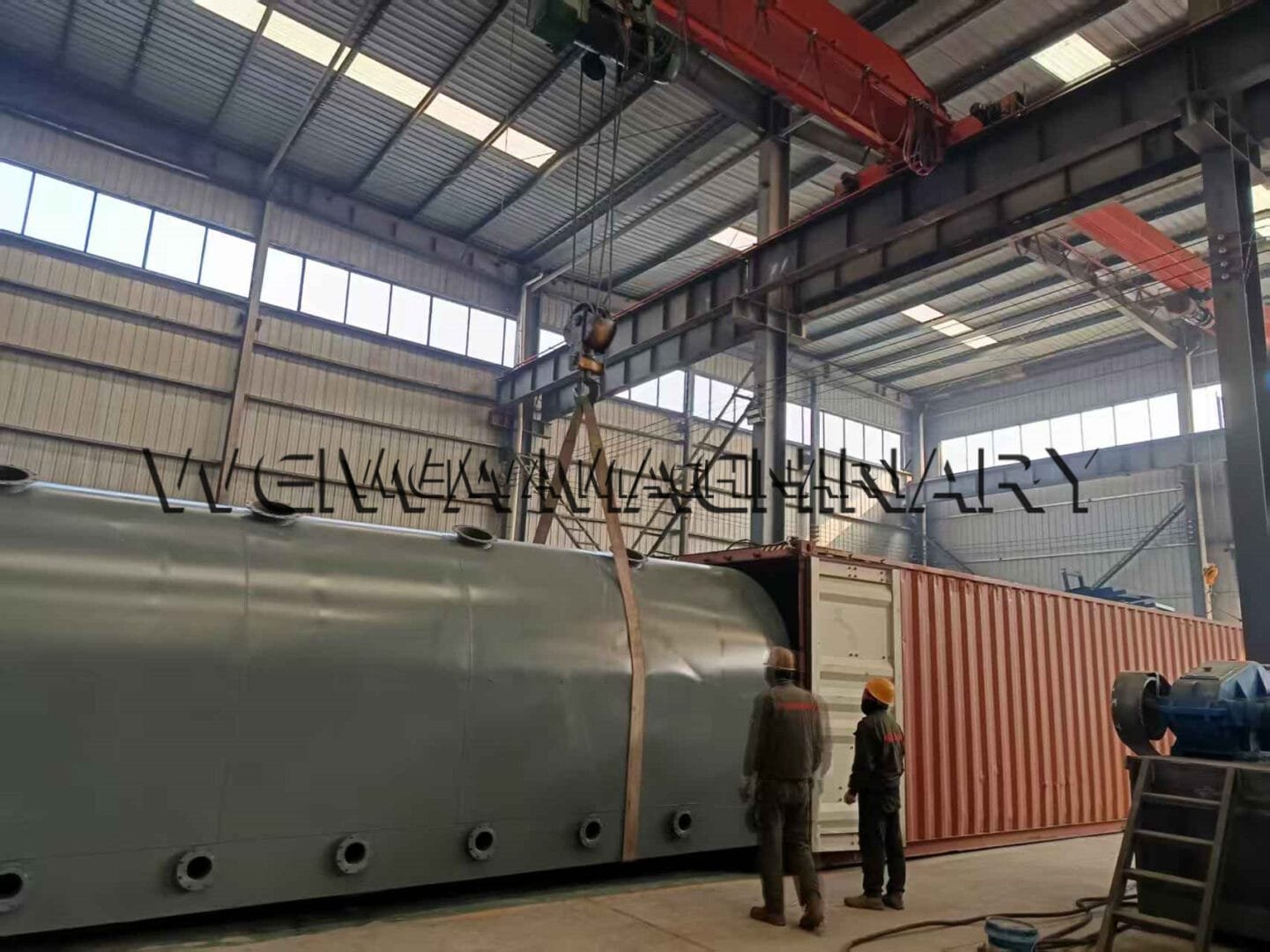
In the heart of Southeast Asia, where lush forests meet growing demand for sustainable energy solutions, Cambodia is stepping into a new chapter of biomass utilization. في الآلات Weiwa, we are proud to play a role in this transformation by shipping our advanced horizontal carbonization furnace to Cambodian partners, marking another milestone in our mission to bring efficient, eco friendly charcoal making machines to emerging markets.
The Journey Begins Our Shipment to Cambodia
The air was thick with anticipation at Weiwa Machinery’s production base as our team loaded the first batch of horizontal carbonization furnaces onto the freight truck. These weren’t just metal structures—they were engineered answers to Cambodia’s need for low cost, high yield charcoal production. For weeks, our engineers had fine tuned every component: the heat resistant steel chamber, the precision controlled airflow system, and the automated temperature monitoring module, all designed to thrive in tropical climates where humidity and variable temperatures test equipment durability.
Shipping to Cambodia required more than logistics; it demanded cultural and technical alignment. Our local partner in Phnom Penh had already identified small scale farmers, agro processors, and eco enterprises eager to replace traditional charcoal kilns—known for their inefficiency and high emissions—with modern carbonization furnace for charcoal solutions. By prioritizing partnerships over mere sales, we ensured the horizontal carbonization furnace would land not just on docks, but in hands ready to harness its potential.
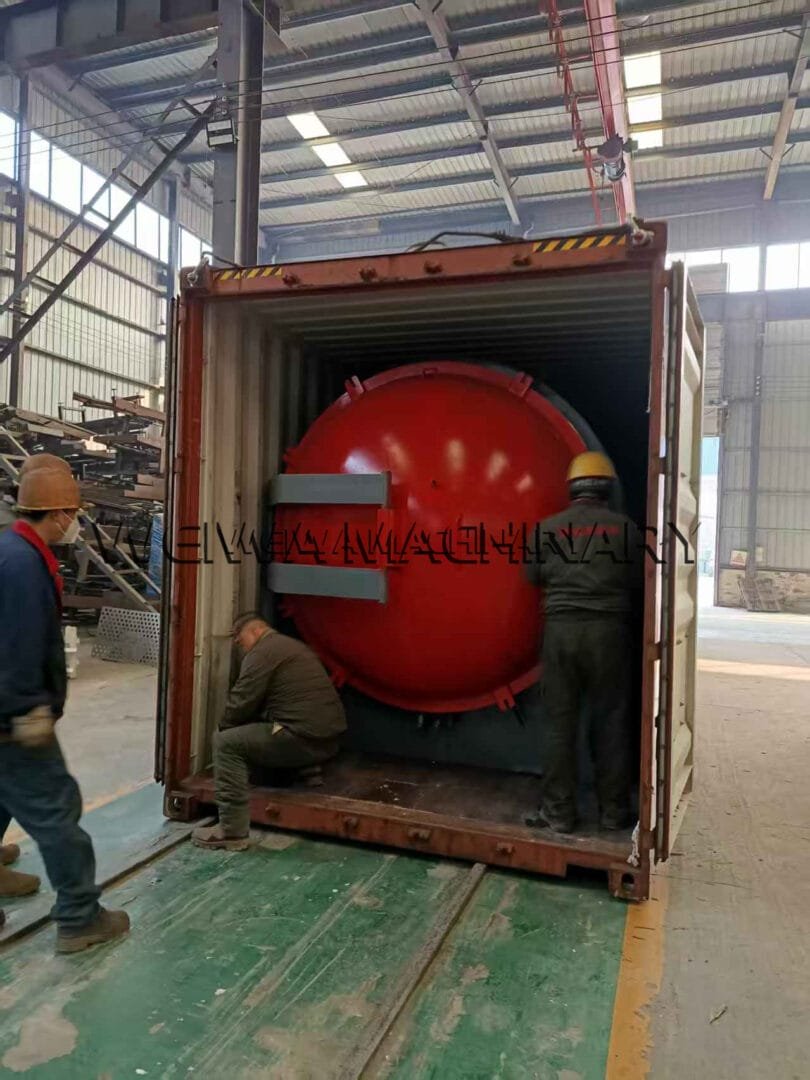
Understanding أفران الكربنة الأفقية A Science for Sustainable Charcoal
To grasp why horizontal carbonization furnaces are gaining traction in Cambodia, it helps to demystify how they work. Unlike vertical kilns that rely on gravity fed feedstock and uneven heat distribution, horizontal carbonization furnaces process materials in a sealed, elongated chamber. This design enables continuous or batch feeding, with heat circulating evenly around the biomass—be it coconut shells, قشور الأرز, or hardwood scraps—driving off volatile gases while retaining carbon rich solids.
Key Features That Make Horizontal Carbonization Furnaces Ideal for Cambodia
Cambodia’s biomass landscape is rich but underutilized. Over 70% of households still depend on wood based charcoal, much of it sourced from unsustainable deforestation. Horizontal carbonization furnaces address this by offering three game changing advantages. أولاً, their modular size suits small to medium operations common in rural Cambodia, where large industrial plants are impractical. ثانية, the closed system minimizes smoke and harmful emissions, aligning with Cambodia’s push for cleaner air under its National Environmental Strategy. ثالث, they boast higher charcoal yields—up to 30% more than traditional methods—by optimizing heat retention and reducing material waste.
For biochar furnace applications, these units shine further. الفحم الحيوي, a stable form of carbon produced when biomass is carbonized at lower temperatures, enriches soil fertility and sequesters carbon for centuries. In Cambodia, where agricultural productivity is hindered by depleted soils, integrating biochar production via horizontal carbonization furnaces could turn waste into a climate solution and income stream.
Why Cambodia Horizontal Carbonization Furnace Demand Is Rising
Cambodia’s journey with charcoal making machines is rooted in necessity and opportunity. The country’s rapidly growing population and urbanization have spiked demand for affordable cooking fuel, while its agrarian economy generates vast amounts of agricultural residues—coconut husks, cassava peels, and corn cobs—that currently go to waste. Horizontal carbonization furnaces bridge this gap by transforming waste into wealth.
Local entrepreneurs we spoke to in Siem Reap highlighted another driver: tourism. Eco lodges and restaurants increasingly seek sustainable charcoal to meet guest expectations and comply with green certifications. A horizontal carbonization furnace in Cambodia allows these businesses to produce charcoal onsite, cutting costs and carbon footprints. علاوة على ذلك, government incentives for renewable energy projects have lowered barriers to entry, making charcoal making machines a viable investment for smallholders and cooperatives.
Trial Runs in Cambodia Testing the Horizontal Carbonization Furnace on Site
No machine earns trust without proof. After the horizontal carbonization furnace arrived in Cambodia, our technical team joined local partners for a weeklong trial run. We chose a demo site near Kampong Cham, surrounded by coconut farms—ideal for testing feedstock availability and performance.
Setting Up and First Impressions
Assembly was swift, thanks to the furnace’s pre fabricated components and our partner’s eager team. Within two days, the unit was operational, its stainless steel body gleaming under the Cambodian sun. Farmers gathered curiously, many having never seen such a sleek alternative to their clay kilns. “It looks strong,” remarked Mr. Rithy, a coconut farmer, “but will it work with our husks?”
Performance Metrics and User Feedback
We tested three batches: coconut husks, mixed hardwood chips, and rice straw. For coconut husks—a notoriously tough feedstock due to high lignin content—the furnace reached optimal carbonization temperature (500 600درجة مئوية) في 45 دقائق, producing dense, low ash charcoal in 8 ساعات. Yield was 28% by weight, compared to 15 20% from traditional kilns. When using rice straw, a lighter material, the cycle time dropped to 6 ساعات, with consistent quality across batches.
Air quality tests revealed a 90% reduction in particulate matter compared to open burning, a critical win for health and compliance. Local operators noted the furnace’s ease of use: the digital control panel simplified temperature adjustments, and the automated flue gas recirculation system minimized manual intervention. Ms. Srey Pov, who runs a small charcoal business, said, “I used to spend hours stoking fires and cleaning soot. الآن, I can manage multiple batches a day with less effort.”
Beyond Charcoal Biochar Furnace Potential in Cambodian Agriculture
While charcoal production dominates initial interest, the horizontal carbonization furnace’s role as a biochar furnace holds even greater long term promise. In trials, we processed half the output into biochar by adjusting the carbonization temperature to 400 450°C and extending the cycle. The resulting biochar was crumbly, high in carbon, and free of contaminants—perfect for soil amendment.
Cambodian soils, particularly in upland areas, suffer from nutrient leaching and low organic matter. Field tests with local farmers showed that mixing biochar into soil increased maize yields by 18% in one season. For a country where 80% of the population depends on agriculture, this is transformative. Biochar also reduces reliance on chemical fertilizers, lowering input costs and water pollution. As awareness grows, we anticipate more farmers viewing horizontal carbonization furnaces not just as charcoal makers, but as biochar furnaces nurturing both crops and climate resilience.
Overcoming Challenges Adapting Charcoal Making Machines to Local Needs
No deployment is without hurdles. During trials, we encountered two key challenges: feedstock variability and operator training. Cambodia’s diverse biomass sources mean moisture levels and densities vary widely. To counter this, we modified the furnace’s pre drying chamber and provided guidelines for sorting feedstock by type. For training, we conducted hands on workshops, emphasizing safety protocols and maintenance—critical for ensuring the carbonization furnace for charcoal delivers consistent results over years.
Language barriers were another consideration. We translated user manuals into Khmer and trained local technicians to handle basic repairs, fostering self sufficiency. These adaptations reflect our belief that successful technology transfer isn’t about dropping machines into new markets, but co creating solutions that respect local realities.
The Future of Horizontal Carbonization Furnace in Cambodia
As we packed up the trial site, the mood was hopeful. Local partners were already planning to order more units, eyeing expansion into provinces like Battambang and Preah Vihear. لآلات ويوا, this shipment is more than a business transaction—it’s a step toward a circular economy where biomass waste fuels prosperity.
We envision horizontal carbonization furnaces becoming a staple in Cambodia’s rural landscapes, empowering communities to produce clean charcoal, enrich soils with biochar, and reduce deforestation. With ongoing support from our team and local champions, the technology will evolve further—perhaps integrating solar powered heating for off grid sites, or linking to digital platforms for market access.
عن آلات ويوا
في الآلات Weiwa, we specialize in designing and manufacturing high performance charcoal making machines and carbonization furnaces tailored to global needs. With over a decade of experience, our portfolio includes horizontal carbonization furnaces, أفران الفحم الحيوي, and customized solutions for biomass energy. We prioritize innovation, sustainability, and customer success, working closely with partners worldwide to turn biomass potential into tangible impact. From production to after sales support, we are committed to being more than a supplier—we are your ally in building a greener future.
This shipment to Cambodia is a testament to what’s possible when engineering meets empathy. As horizontal carbonization furnaces take root in Southeast Asia, we’re excited to witness their role in shaping a more sustainable, prosperous Cambodia—one batch of charcoal, and one handful of biochar, at a time.


 WeChat

 +8615937143060
