


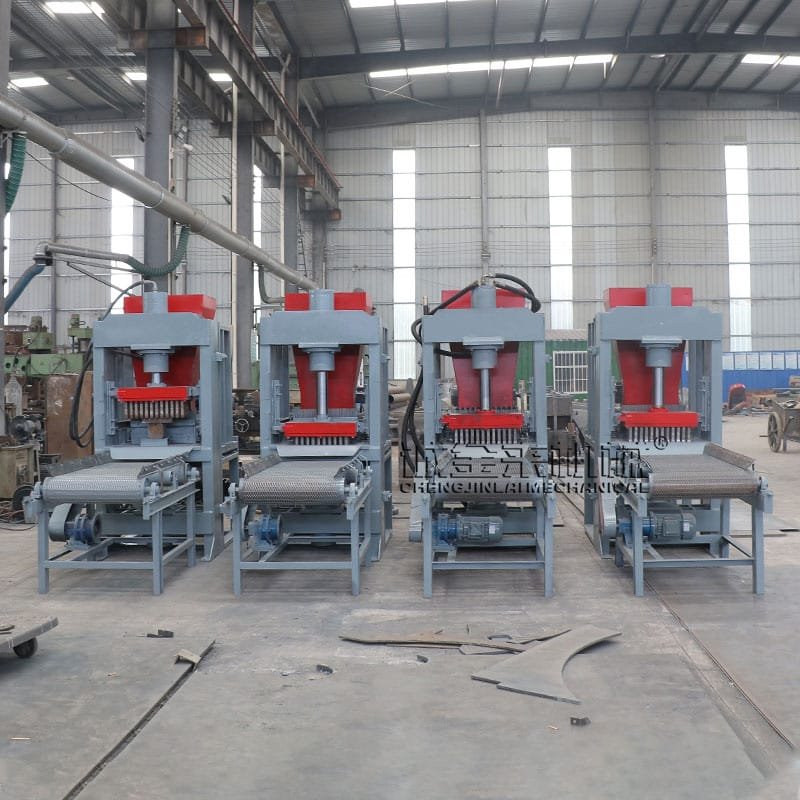
The project was not about chasing the highest hourly output at any cost. It was about controlling density, texture, and combustion behavior. The client already knew mechanical screw presses and simple lever presses could make charcoal, but they could not consistently make premium charcoal. After testing raw material behavior, mold geometry, hydraulic pressure curves, and burning performance, the client chose a hydraulic route because the finished briquette had to feel different in the hand, perform better on the grill, and survive humidity during transport.
Why the Sri Lanka Client Moved Away from Mechanical Pressing?
Many small and medium charcoal workshops in Sri Lanka start with mechanical equipment because it looks simple and costs less at the beginning. A screw press pushes material forward. A cam or eccentric press hits the powder with impact force. These machines can produce volume, but they often struggle with coconut shell charcoal, cinnamon wood charcoal, rubber wood residue, and other fibrous biomass powders.
The Sri Lanka client had already experienced the usual problems. Briquettes looked acceptable when fresh, but after drying they developed micro cracks. Cube edges chipped during bagging. Some pieces broke inside cartons before reaching the distributor. When the charcoal was lit, the burn was uneven. Certain pieces flared, others died down, and ash formed faster than premium buyers wanted.
Mechanical pressing relies heavily on speed and friction. Hydraulic pressing works differently. It uses fluid power to build force gradually, hold it, and release it in a controlled way. For charcoal powder, that difference is not a small engineering detail. It changes the internal structure of the briquette.
This is why the client did not ask Weiwa for the cheapest machine. He asked for the machine that could make BBQ charcoal with a finer internal texture, a tighter surface skin, and a more predictable burn curve. The Hydraulic Shisha BBQ Press Machine became the centerpiece of that upgrade.
What Makes Hydraulic Pressing Different for Shisha and BBQ Charcoal?
A hookah charcoal making machine and a BBQ charcoal press may look similar from the outside, but the pressing philosophy matters. Hydraulic technology gives the operator control over force, time, and repetition. That control is what allows a producer to move from commodity charcoal to branded premium charcoal.
Static Pressure Instead of Impact Force
A mechanical punch tries to form the briquette in a fast movement. A hydraulic cylinder applies pressure through incompressible fluid, so the force can be increased smoothly until the powder compacts. For coconut shell charcoal, this static compression helps fine particles slide closer together instead of being smashed apart.
When particles rearrange而不是 break, the briquette develops a more uniform body. The surface becomes smoother. The edges stay sharper. The internal voids shrink. That is the foundation of better burning performance.
Programmable Dwell Time for Different Recipes
Not every charcoal mix behaves the same. Coconut shell charcoal from one region may be drier. Cinnamon wood charcoal may be more fibrous. A mixed biomass blend may need more binder. With the Hydraulic Shisha BBQ Press Machine, the operator can adjust pressure holding time, pressing strokes, and ejection timing through the PLC system.
In the Sri Lanka project, dwell time was not fixed blindly. Our team explained that too little holding time can leave the core under-compacted, while too much can stress the mold and slow production. The correct window depends on moisture, ขนาดอนุภาค, binder type, and final shape. Hydraulic control makes this adjustment practical on the factory floor.
Air Pocket Removal and Particle Rearrangement
One of the main reasons cheap briquettes pop, spark, or burn unevenly is trapped air. When powder is pressed too fast, air stays inside the mix. During combustion, that trapped air expands and causes instability.
Hydraulic pre-compression and main compression help push air out before the final shape is locked. The result is a briquette with fewer hidden voids. Fewer voids means steadier ignition, calmer flame, slower ash formation, and a burn that feels professional to the end user.
Raw Material Preparation for the Sri Lanka Project
The hydraulic press is powerful, but it cannot fix bad powder. The Sri Lanka project started with raw material discipline. Coconut shells were carbonized in a suitable furnace, then cooled and crushed into fine charcoal powder. The target was below 3 มม., because large irregular particles create weak spots inside the briquette.
After crushing, the charcoal powder entered a mixing stage. Binder, water, and sometimes a small percentage of another biomass charcoal were blended until the mass had the right plasticity. Moisture was kept in a controlled range. Too dry, and the binder cannot activate. Too wet, and the briquette sticks to the mold or blisters during drying.
Weiwa engineers reminded the client that hydraulic pressing widens the usable process window compared with screw extrusion, but it does not remove the need for preparation. Good feeding powder, correct moisture, and stable binder ratio are the three conditions that allow the hydraulic ram to deliver its full benefit.
For Sri Lanka, coconut shell charcoal was the hero material. It has high fixed carbon potential, good heating value, and strong market recognition in the Middle East and South Asia. But coconut shell charcoal is also fibrous and sometimes coarse. That is exactly why hydraulic compression was chosen. The machine had to turn a difficult powder into a refined, dense, export-grade product.
How Hydraulic Design Creates Finer and More Compact Briquettes?
The Hydraulic Shisha Bbq Press Machine Product Line from Weiwa is not a single box with a piston. It is a coordinated system: feeding device, pre-compression zone, hydraulic pump station, main cylinder, lower ejection system, PLC cabinet, mold assembly, and safety controls.
Pre-Compression Chamber
Before the main ram applies full tonnage, the dosing system delivers a measured amount of powder into the cavity. A light pre-compression step removes loose air and levels the fill. This step sounds minor, but it prevents lopsided briquettes and soft centers.
In Sri Lanka, the client immediately noticed that pre-compression reduced edge chipping. The briquette entered the main pressing phase already stabilized. That made the final cube or disc more symmetrical and more resistant to handling.
Precision Hydraulic Cylinder
The main cylinder is the heart of the machine. Weiwa hydraulic presses are built for repeated heavy duty cycles. Depending on model and configuration, the system can deliver high static pressure suitable for dense charcoal molding.
For BBQ cubes, the cylinder compresses the powder slowly enough that fine particles interlock. For hookah discs, the same principle applies, but shape tolerance and surface finish become even more important. The cylinder does not just squeeze the material. It organizes the material.
The Sri Lanka client tested 25 mm cubes and larger round BBQ discs. In both cases, the cross section looked more homogeneous than his previous mechanically pressed product. There were fewer layers, fewer cracks, and fewer soft zones.
Polished Alloy Steel Molds
Mold quality decides surface quality. Weiwa uses machined and polished mold components so the briquette leaves the cavity with a clean skin. Rough molds scrape the surface. Polished molds let the briquette eject with minimal friction.
This matters for marketing as much as engineering. A smooth charcoal cube looks premium on the shelf. A torn surface looks like recycled powder. Buyers in Colombo, Dubai, Doha, and European niche BBQ markets respond to visual quality before they ever light the product.
The client also appreciated mold flexibility. By changing the mold set, the same Hookah Charcoal Briquette Press Machine could produce cubes, รอบ, finger shapes, hexagonal pieces, or custom branded formats. That meant one hydraulic platform could serve both the BBQ market and the shisha market.
Burning Performance Improvements Observed in Sri Lanka
Charcoal is ultimately judged by fire. A nice photo on a website cannot hide a poor burn. After the Weiwa hydraulic press was installed and the recipe was stabilized, the Sri Lanka client reported several practical improvements.
Ignition became more predictable. Because air pockets were reduced, the briquette did not pop or spark as much during lighting. Heat output stayed more stable across the burning period. Ash formed more slowly, which restaurant chefs liked because they could manage cooking temperature with less adjustment.
Density was the key variable. Denser briquettes usually contain more combustible material in the same volume. They resist oxygen penetration at the surface, so they glow instead of flaming. For shisha use, that means steadier heat under the foil. For BBQ use, that means longer grilling time per piece and fewer refills for the chef.
The client also noticed less fine dust during handling. Mechanical pressing sometimes left a sandy edge that rubbed off in the bag. Hydraulic pressing produced a tighter skin, so the packed product looked cleaner when the distributor opened the carton.
Transport resilience improved as well. Sri Lanka’s humidity and export logistics can weaken low-density charcoal. Denser hydraulic briquettes resisted edge breakage during stacking, loading, and road transport. Fewer broken pieces means fewer complaints and better margin.
From BBQ Cubes to Hookah Charcoal with One Production Concept
One of the smartest decisions in this project was treating BBQ charcoal and hookah charcoal as related products rather than completely separate businesses. Both start with quality carbonized powder. Both benefit from high density. Both reward consistent shape and clean combustion.
The Sri Lanka client used the hydraulic press for restaurant BBQ cubes during one shift and shisha discs during another. Because the PLC stored process parameters, operators did not have to reinvent the recipe each time. They selected the format, loaded the correct mold, adjusted pressure and dwell time, and continued production.
This flexibility is valuable in a market like Sri Lanka. Domestic BBQ demand is steady. Tourism-related food service creates premium opportunities. Export inquiries from shisha importers add another revenue stream. A Shisha Charcoal Making Production Machine concept built around hydraulic pressing allows the producer to chase all three without buying three different factories.
Weiwa’s role was not only to supply a press. Our team helped the client understand which shape serves which market, how cube size affects burn time, how finger shape affects heat transfer under hookah foil, and how surface finish influences first impressions in a retail pouch.
Production Line Integration Around the Hydraulic Press
The hydraulic press is the brain of compaction, but a complete plant needs supporting machines. For the Sri Lanka client, the recommended flow was practical and scalable.
Raw biomass such as coconut shell, wood residue, or cinnamon waste first goes through carbonization. The output is crude charcoal. That charcoal is crushed and screened. Oversize pieces return to the crusher. Acceptable powder moves to the mixer, where binder and water are added.
หลังจากผสม, the material should have uniform moisture and good cohesion. Then it feeds the hydraulic press. The press forms the briquette. Ejected pieces move to a curing or drying area depending on binder system and climate. ในที่สุด, the finished charcoal is cooled, graded, counted, and packed.
Weiwa’s Hydraulic Shisha Bbq Press Machine Product Line can be configured with belt feeders, hoppers, pre-mixers, conveyor exits, collection tables, and optional drying systems. The exact layout depends on factory space, labor plan, electricity supply, and target capacity.
For Sri Lanka, space near Colombo was limited, so the layout favored a compact linear flow. For a larger plantation-based project, the same machines could be spaced for future expansion. Hydraulic pressing does not force the client into one rigid factory model. It gives a strong core machine around which the rest of the plant can grow.
Why Sri Lankan Charcoal Producers Prefer Weiwa Engineering?
There are many charcoal machine sellers in the market. Weiwa’s difference comes from process thinking. We do not only ask what shape the client wants. We ask what raw material he has, what moisture his powder carries, what burner or hookah market he serves, what bag size he sells, and what export standard he must meet.
For the Sri Lanka client, that meant discussing coconut shell quality, binder behavior, mold tolerance, hydraulic cooling, PLC settings, spare parts, operator training, and after-sales response. A machine is easy to photograph. A stable production result is harder to fake.
Weiwa hydraulic presses are designed for tropical and industrial conditions. Long running cycles can heat hydraulic oil. Our stations include cooling and control considerations so pressure does not drift during the day. Seals, cylinders, valves, and mold inserts are selected for repeatability, not just for the first trial run.
Another reason the client trusted Weiwa was transparency. We explained limitations. Hydraulic pressing cannot save badly carbonized material. It cannot compensate for wrong binder ratio forever. It cannot replace good drying. But when the process is correct, hydraulic pressing multiplies the quality of everything upstream.
Sri Lankan producers also value communication. Our team can discuss project details in plain language, send layout drawings, share trial videos, and guide local technicians through commissioning. For an exporter, that support reduces risk. For a first-time factory owner, that support builds confidence.
Common Mistakes Sri Lanka Charcoal Startups Should Avoid
Many new charcoal entrepreneurs make the same errors. They buy the cheapest press, ignore particle size, overuse water, use the wrong starch binder, dry too fast, pack too early, or promise premium quality before the burn test is stable.
Hydraulic investment only pays back when the whole chain is respected. Crush correctly. Mix correctly. Control moisture. Press with the right dwell time. Cure or dry slowly enough to avoid surface cracking. Package after the piece is truly stable.
The Sri Lanka client avoided these mistakes because he treated the project as engineering, not guesswork. He tested samples. He watched the cross section. He measured burn time. He asked why one batch glowed longer than another. That mindset, combined with the Hydraulic Shisha BBQ Press Machine, is what moved his product into a higher price tier.
Market Opportunity for BBQ and Shisha Charcoal in Sri Lanka
Sri Lanka has coconut shell supply, tourism demand, seafood and meat barbecue culture, and proximity to Middle Eastern shisha markets. That combination is rare. Local producers who only sell loose lump charcoal leave money on the table.
Premium BBQ cubes can serve hotels, beach restaurants, and private catering. Branded shisha discs can serve lounges and export traders. Custom shapes with a logo can become a recognizable local or regional brand. None of this is possible if the briquette breaks in the bag or burns like low-grade fuel.
The hydraulic press changes the conversation from price per kilo to value per experience. Cheaper charcoal competes with everyone. Denser, cleaner, longer-burning charcoal competes on quality, and quality commands better terms with serious buyers.
Weiwa’s position is simple. Help the client build a product that distributors do not have to apologize for. If the first impression is clean edges, the burn is steady, and the ash is low, the salesman’s job becomes much easier.
How Weiwa Customizes the เครื่องกดไฮดรอลิก Shisha BBQ?
Every market has different expectations. Middle East shisha buyers may prefer certain diameters and embossed logos. Sri Lankan BBQ buyers may prefer 25 mm cubes or larger restaurant discs. Resort kitchens may want low-smoke performance. Export containers may need uniform piece count and low breakage.
Weiwa customizes mold shape, cavity count, pressure range, feeding method, control language, voltage specification, and line layout. For the Sri Lanka client, mold changeover was designed to be practical. The operator did not need a full engineering team to switch from BBQ cubes to hookah rounds.
We also provide factory layout drawings. This is important because charcoal plants generate dust, need safe electrical planning, require space for drying, and must allow workers to move material without bottlenecks. A good drawing prevents expensive mistakes after the machines arrive.
Spare parts strategy is another customization point. Hydraulic seals, filter cartridges, mold inserts, and sensor components should be planned before breakdown, not after. Weiwa advises clients on a sensible spare parts list so production does not stop because of one small item.
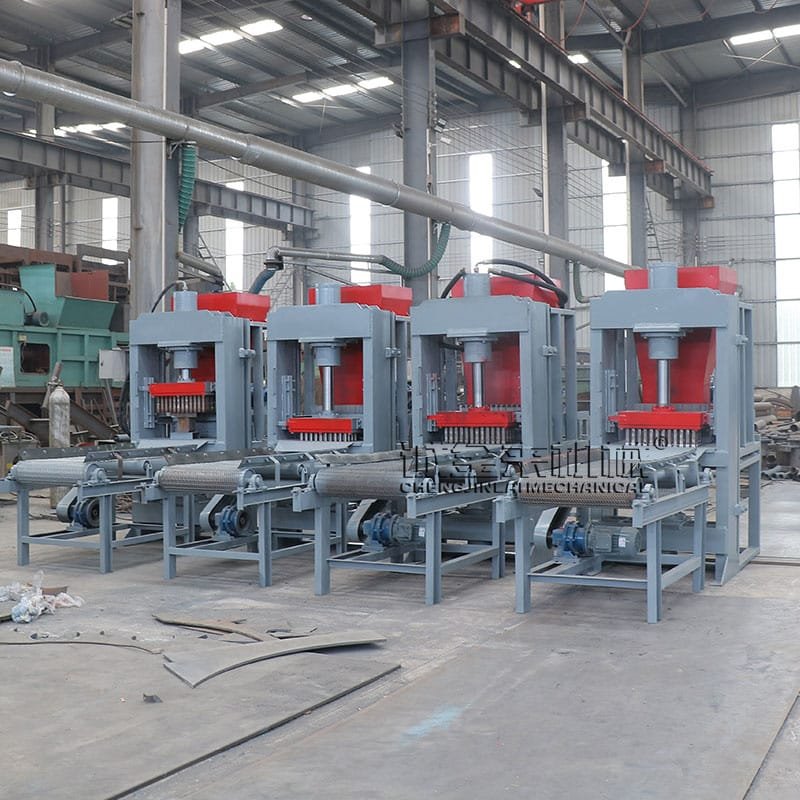
hydraulic press machine In Sri Lanka
After-Sales Support That Matters for Overseas Clients
Buying a machine is the beginning, not the end. The Sri Lanka client needed assurance that Weiwa would still answer questions after shipment. Our after-sales structure includes operation manuals, commissioning guidance, video troubleshooting, spare parts supply, and process consultation.
Charcoal recipes are sensitive. A change in coconut shell source, weather, binder brand, or drying temperature can change the result. Having an engineering partner who remembers the project details saves the client from starting over.
Weiwa’s team treats overseas projects as long-term relationships. A client in Sri Lanka, Saudi Arabia, อินเดีย, Nigeria, ประเทศอินโดนีเซีย, or Vietnam may later expand capacity. If the first line performs well, the second line becomes an easier decision. That is why we focus on stable commissioning instead of only aggressive sales language.
Environmental and Business Case for Hydraulic Charcoal Pressing
Biomass waste such as coconut shell, ขี้เลื่อย, ไม้ไผ่, ไม้ยางพารา, and cinnamon residue can be converted into valuable fuel. That supports cleaner waste management and gives agricultural regions a secondary income stream.
Hydraulic pressing also supports premium positioning. Instead of dumping loose charcoal into sacks, the producer creates uniform branded pieces. Uniform products are easier to pack, easier to price, easier to export, and easier to defend in a competitive market.
For Sri Lanka, this is strategically interesting. The country has biomass resources, tourism demand, and export geography. A well-run hydraulic charcoal plant can serve local hospitality while building export credibility in the Gulf and South Asian shisha trade.
Energy efficiency also matters. A well-tuned hydraulic system does not waste force. Pressure is applied where needed, held for the right time, and released cleanly. Compared with constantly fighting mechanical impact wear, hydraulic systems can offer a more controlled production environment when maintained correctly.
What the Sri Lanka Project Proved?
The project proved a simple point. Hydraulic pressing is not a luxury feature. For premium BBQ and shisha charcoal, it is the logical technology when density, surface quality, and burn stability matter.
Mechanical presses can make charcoal. Hydraulic presses can make a product. The Sri Lanka client moved from making pieces to making a brand-grade commodity. His cubes looked cleaner. His discs burned steadier. His bags arrived with fewer broken pieces. His buyers asked fewer complaints and placed repeat orders.
This is the kind of result Weiwa Machinery wants to repeat in every market. Not just machines shipped, but factories that make money because the product is genuinely better.
The Hydraulic Shisha BBQ Press Machine gave the client control over pressure. The Hookah Charcoal Making Machine philosophy gave him control over format. The Shisha Charcoal Making Production Machine layout gave him control over scale. ด้วยกัน, these elements turned local coconut shell waste into a finished product that could sit on a premium shelf.
เกี่ยวกับ เครื่องจักร Weiwa
Weiwa Machinery has more than thirty years of working experience in the design and manufacture of charcoal briquetting equipment, biomass pressing machines, and carbonization systems. Our team understands that charcoal quality is not created at the moment of packing. It is created during carbonization, การบดขยี้, mixing, molding, การทำให้แห้ง, and operator training.
We are not only a machine supplier. We act as a production partner. Our engineers help clients choose the right raw material process, calculate capacity, design factory layouts, develop custom molds, and plan utility requirements. We have served customers in many countries and regions, and our equipment has been used for coconut shell charcoal, wood charcoal, ถ่านไม้ไผ่, ผงถ่านหิน, and other powder forming applications.
Weiwa Machinery maintains a professional after-sales team. We provide installation guidance, operator training, spare parts support, and remote technical assistance. For clients who are starting their first charcoal factory, we explain the process step by step. For clients who already have experience, we help optimize density, รูปร่าง, output, and burn quality.
Customization is central to our work. We can prepare design drawings, plan site flow, develop branded mold shapes, and configure a complete Hydraulic Shisha Bbq Press Machine Product Line according to your raw material and market goal. Whether you want BBQ cubes for restaurants, hookah discs for lounges, or export-grade briquettes for the Middle East, Weiwa can engineer the line around your business model.
Our strength is not only machinery fabrication. Our strength is connecting machine design with real combustion performance. A briquette that looks good but burns poorly is a marketing problem waiting to happen. Weiwa helps clients avoid that problem by aligning hydraulic pressure, mold geometry, binder ratio, ความชื้น, and drying method.
Contact เครื่องจักร Weiwa for Quotation and Factory Layout
If you plan to build or upgrade a charcoal plant in Sri Lanka, อินเดีย, Saudi Arabia, แอฟริกา, เอเชียตะวันออกเฉียงใต้, or anywhere else, Weiwa Machinery can help you move from basic charcoal to finer, denser, longer-burning BBQ and shisha charcoal.
Tell us your raw material type, ความชื้น, factory size, target capacity, finished shape, and export market. Our team will propose a practical Hydraulic Shisha BBQ Press Machine configuration and provide customized design drawings for your site.
We welcome factory visits, material tests, video calls, and project consultations. Whether you need one Hookah Charcoal Briquette Press Machine or a complete Shisha Charcoal Making Production Machine, Weiwa Machinery is ready to support your project from quotation to commissioning.
Contact Weiwa Machinery
ม็อบ: +8613838093177
WhatsApp: +8613838093177
อีเมล: info@cjlmachineGroup.com
Product reference: เครื่องกดไฮดรอลิก Shisha BBQ
Weiwa Machinery — more than thirty years of experience in hydraulic charcoal briquette technology, customized production lines, and global after-sales support.


 Wechat

 +8615937143060
