


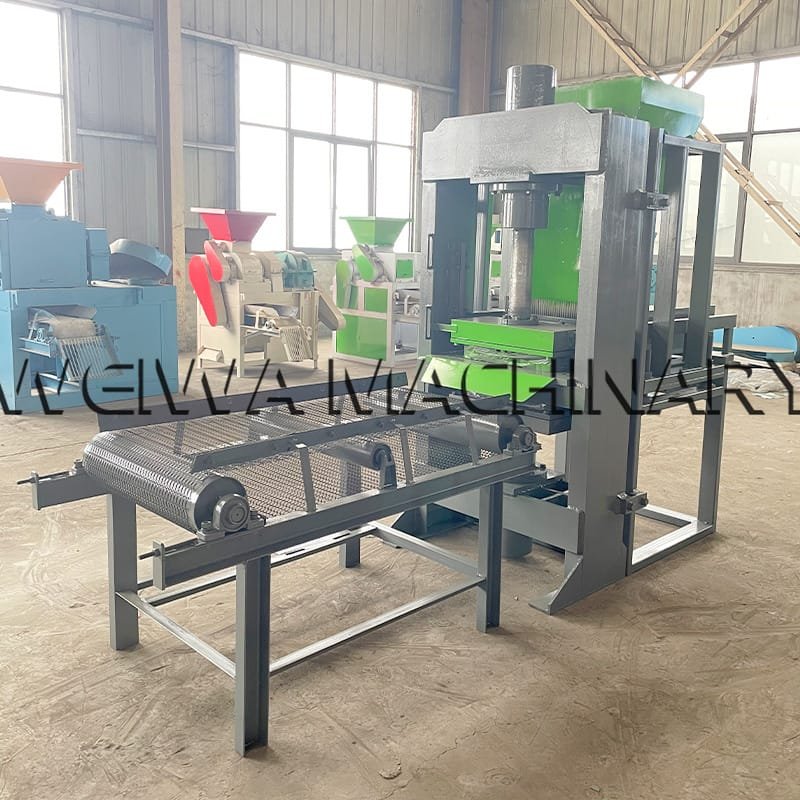
In an era where sustainable energy transitions are reshaping global industries, hydraulic press briquetting machines have emerged as a cornerstone technology for converting biomass waste into high-density, combustível de queima limpa. Em Weiwa Machinery, a company with over three decades of expertise in manufacturing industrial machinery, we recently had the privilege of conducting a successful trial run of our hydraulic briquette press for a client in Vietnam—a milestone that not only showcased our equipment’s capabilities but also highlighted the immense potential of hydraulic briquette machines in Asia’s growing green economy.
The Rising Demand for Hydraulic Briquette Machines in Asia’s Green Transition
Asia’s rapid industrialization and urbanization have intensified the need for cleaner, more efficient energy solutions. Traditional fossil fuels, while dominant, contribute significantly to carbon emissions and environmental degradation. In response, governments and businesses across the region are prioritizing renewable energy sources, with biomass briquettes gaining traction as a viable alternative. Made from agricultural residues, serragem, cascas de arroz, and other organic waste, these briquettes offer a low-carbon, cost-effective fuel option for heating, culinária, and industrial processes.
Central to this shift is the hydraulic briquette machine. Unlike mechanical presses, hydraulic systems generate consistent, high pressure through fluid power, ensuring uniform density and durability of briquettes. This precision makes them ideal for processing diverse biomass materials, a critical advantage in Asia’s agriculture-driven economies where waste streams are abundant. For Vietnam, a country with vast rice paddies, rubber plantations, and timber industries, the availability of raw materials aligns perfectly with the capabilities of hydraulic briquette presses. As local industries seek to reduce waste and lower energy costs, the demand for reliable hydraulic briquette machines has surged, positioning Asia as a hotspot for growth in this sector.
Our Trial Run in Vietnam A Testament to Hydraulic Press Excellence
When our Vietnamese client approached Weiwa Machinery, they sought a solution to convert their factory’s wood chips and coconut shell waste into marketable briquettes. Their goal was twofold: minimize waste disposal expenses and tap into the rising demand for eco-friendly fuels among local households and small-scale industries. After understanding their specific needs—including material type, desired briquette size, and daily output targets—we recommended our flagship hydraulic briquette press, designed for versatility and efficiency.
Pre-Trial Preparation Aligning Equipment with Local Needs
Preparation is key to a successful trial, especially when adapting machinery to regional conditions. Our team began by analyzing the client’s raw materials: wood chips with moderate moisture content and coconut shells, which are denser and require higher compression force. We adjusted the hydraulic press’s pressure settings and die configurations to accommodate these variations, ensuring optimal briquette formation. Adicionalmente, we provided on-site training for the client’s operators, covering safety protocols, rotinas de manutenção, and troubleshooting tips—a reflection of our commitment to empowering users with practical knowledge.

The Trial Process Precision in Action
On the day of the trial, the atmosphere at the client’s facility was charged with anticipation. Our engineers initiated the hydraulic briquette machine, feeding batches of pre-processed wood chips and coconut shells into the hopper. The press’s hydraulic system engaged smoothly, applying gradual, controlled pressure to compress the materials into compact briquettes. Within minutes, uniforme, dense briquettes rolled out, each with a smooth surface and consistent shape—proof of the machine’s ability to handle mixed biomass feedstocks.
The client was particularly impressed by the machine’s efficiency: it processed 500 kg of raw material per hour, producing briquettes with a calorific value exceeding 4,000 kcal/kg, suitable for both residential and commercial use. Post-trial analysis revealed minimal material wastage, and the briquettes passed quality tests for combustion duration and ash content. This success validated our design philosophy: hydraulic briquette machines must be robust enough for continuous operation yet flexible enough to adapt to local material characteristics.
Why Hydraulic Press Briquetting Machines Are Game Changers for Vietnam?
Vietnam’s unique economic and environmental landscape makes it an ideal market for hydraulic briquette presses. Com mais 70% of its population relying on biomass for cooking and heating, there is a ready consumer base for affordable, clean fuels. Além disso, Vietnam’s agricultural sector generates millions of tons of crop residues annually, much of which is burned in open fields, contributing to air pollution. By deploying hydraulic briquette machines, farmers and small enterprises can transform this “waste” into a revenue stream while reducing environmental harm.
Our trial in Vietnam underscored several advantages of hydraulic systems in this context. Primeiro, their ability to process high-moisture materials without clogging ensures uninterrupted production, even during rainy seasons when biomass is wetter. Second, the machines’ energy efficiency—powered by electric motors or diesel engines—lowers operational costs, a critical factor for small and medium-sized enterprises (PME) in Vietnam. Third, the durability of hydraulic components, such as seals and cylinders, minimizes downtime, aumentando a produtividade. For our client, this translated to a faster return on investment, as the machine paid for itself within 18 months through savings on waste disposal and new sales of briquettes.
Tapping Into Asia’s Potential for Hydraulic Briquette Press Adoption
While Vietnam is a promising market, the potential of hydraulic briquette machines extends across Asia. Countries like Indonesia, Tailândia, and India face similar challenges: resíduos abundantes de biomassa, rising energy demands, and government incentives for renewable energy. Por exemplo, India’s National Biomass Cookstove Initiative aims to replace traditional stoves with cleaner alternatives, creating a massive demand for briquettes. In Indonesia, palm oil mills generate vast amounts of empty fruit bunches, which can be converted into briquettes using hydraulic presses.
No entanto, unlocking this potential requires addressing barriers such as limited technical expertise and fragmented supply chains. This is where Weiwa Machinery’s strengths come into play. With 30 anos de experiência, we offer more than just machinery; we provide end-to-end support, including custom design, treinamento de operadores, e serviço pós-venda. Our team works closely with clients to assess site layouts, optimize material flow, and develop maintenance schedules, ensuring seamless integration of hydraulic briquette presses into existing operations. Such tailored services are vital for building trust in emerging markets, where reliable support can make or break a project’s success.
Customization and Support The Weiwa Machinery Advantage
Em Weiwa Machinery, we understand that no two clients are alike. Whether a customer in Vietnam needs a compact machine for a small workshop or a high-capacity system for an industrial plant, we design solutions that align with their unique requirements. Our hydraulic briquette machines are built with modular components, allowing for easy upgrades as production needs grow. Por exemplo, clients can opt for additional hoppers to process multiple materials simultaneously or integrate automated feeding systems to reduce labor costs.
Beyond customization, our professional after-sales team is a cornerstone of our service. Available 24/7, they provide remote diagnostics and on-site repairs, minimizing disruptions to production. We also offer free design consultations for factory layout planning, helping clients maximize space utilization and workflow efficiency. This holistic approach has earned us long-term partnerships across Asia, where clients value not just our equipment but also our dedication to their success.
Conclusion Embracing a Greener Future with Hydraulic Briquette Technology
The trial of our hydraulic press briquetting machine in Vietnam was more than a technical demonstration—it was a glimpse into a future where biomass waste becomes a catalyst for sustainable development. As Asia continues its transition to cleaner energy, hydraulic briquette presses will play a pivotal role in bridging the gap between waste management and energy security. Em Weiwa Machinery, we are proud to be at the forefront of this movement, leveraging our three decades of expertise to deliver innovative, reliable solutions that empower businesses and communities.
For companies in Vietnam and beyond seeking to harness the potential of hydraulic briquette machines, we invite you to connect with us. Visita to explore our product range, or reach out for a consultation. Let us help you turn waste into wealth and drive your green energy ambitions forward.
Sobre Máquinas de Weiwa
Com mais 30 years of experience in manufacturing industrial machinery, Weiwa Machinery specializes in hydraulic briquette presses and related equipment. Our team of experts combines technical proficiency with a deep understanding of global market needs, offering customized solutions, design blueprints, and site planning services. Backed by a professional after-sales team, we ensure seamless support throughout the lifecycle of our products. Whether you’re looking to optimize biomass utilization or enter the green energy sector, contact us today for inquiries and let us be your trusted partner in sustainable innovation.
- MOB:+8613838093177
- Whatsapp:+8613838093177
- E-mail:info@cjlmachinegroup.com


 WeChat

 +8615937143060
