


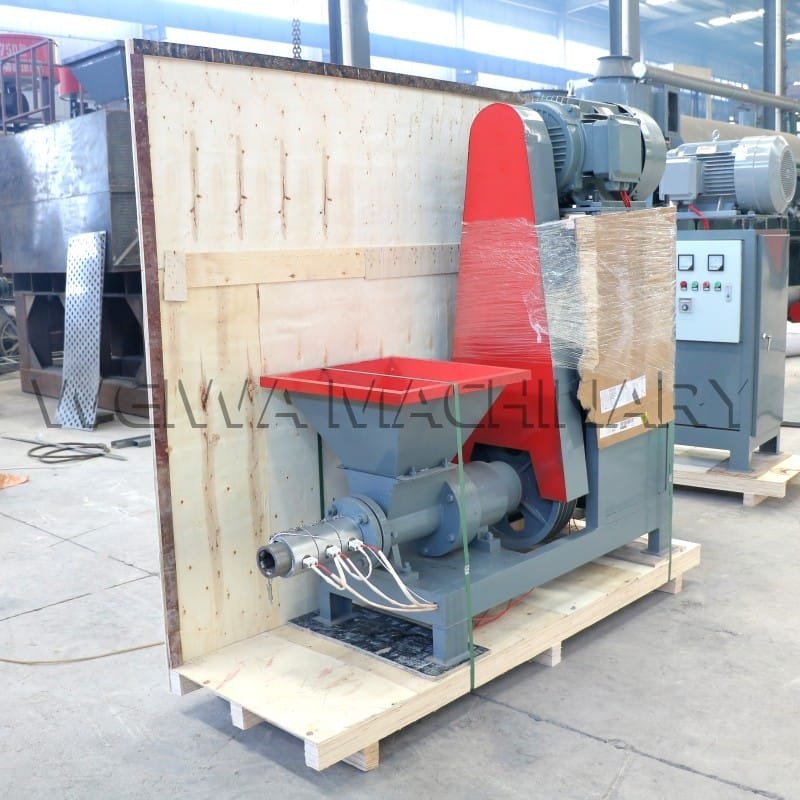
In archipelagic nations like the Philippines, where coconut husks, rice hulls, and sugarcane bagasse accumulate as agricultural byproducts, investing in a sawdust extruder offers transformative potential. Unlike traditional charcoal production methods that rely on inefficient earth mound kilns, modern sawdust briquette machines utilize advanced thermocompression technology. The system we deployed processes raw materials through five integrated stages: precision grinding, moisture control via rotary dryers, high-pressure extrusion, continuous carbonization, and final cooling. Each component works synergistically to maximize output while minimizing environmental impact.
Technical Advantages of Sawdust Briquetting Systems in Tropical Climates
Operating a sawdust briquetting machine in the Philippines presents unique considerations compared to temperate regions. High ambient humidity accelerates moisture reabsorption in processed biomass, necessitating specialized engineering adaptations. Our extruders incorporate enhanced heating rings maintaining consistent 280-320°C barrel temperatures despite external humidity fluctuations. This thermal stability ensures proper lignin activation—the natural binder in plant fibers that eliminates need for chemical additives. When combined with pre-drying protocols reducing moisture below 12%, Philippine operators achieve briquette densities exceeding 1.2 g/cm³.
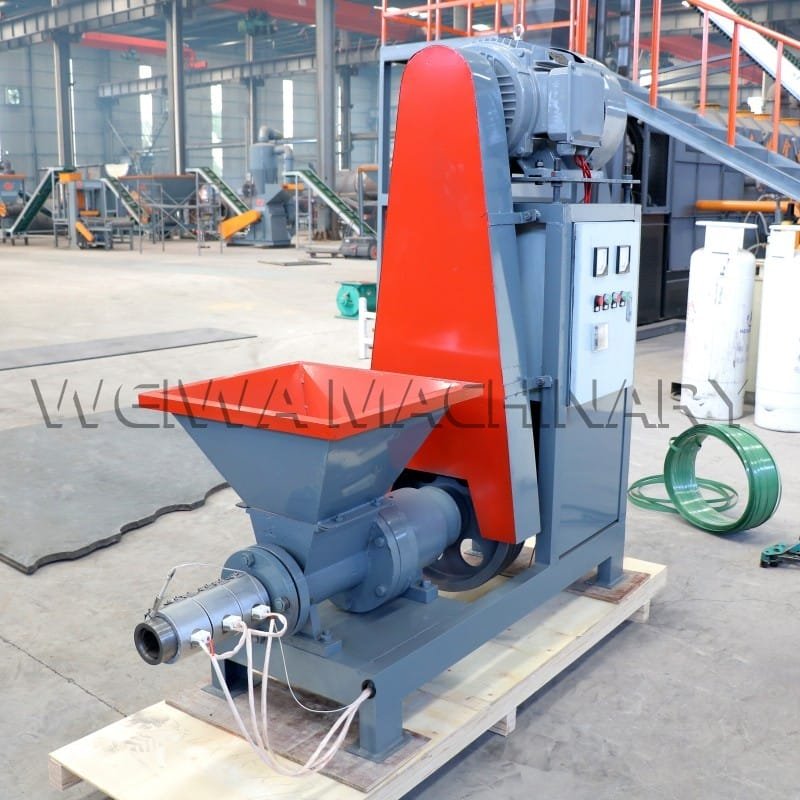
The mechanical architecture of our sawdust extruder prioritizes durability under continuous operation. Heavy-duty alloy steel screws withstand abrasive biomass particles while tapered compression chambers gradually increase pressure from 15MPa to 35MPa. Such progressive pressurization prevents material blowback common in simpler piston-type machines. Além disso, modular die designs allow quick changes between hexagonal, quadrangular, and cylindrical configurations. For Philippine clients processing diverse feedstocks—from coconut shells in Mindanao to rice straw in Luzon—this flexibility proves invaluable.
Thermal Efficiency Breakthroughs in Biomass Conversion
Laboratory analyses confirm briquettes from our sawdust extrude machine in the Philippines deliver 28% higher calorific value than conventional charcoal. This performance stems from optimized carbonization kinetics during the extrusion phase. As biomass passes through heated barrels, volatile compounds partially pyrolyze while cellulose structures densify. The resulting semi-carbonized core ignites readily yet burns longer than lump charcoal. Field tests near Davao demonstrated these briquettes sustaining cooking temperatures for 140 minutes versus 90 minutes for traditional alternatives.
Energy efficiency extends beyond combustion characteristics. Our integrated production lines recover waste heat from cooling sections to pre-dry incoming raw materials. This regenerative approach reduces auxiliary power consumption by approximately 18%, crucial for facilities in regions with unreliable electricity grids. Adicionalmente, enclosed material handling minimizes particulate emissions—a frequent regulatory concern near Philippine population centers. Such operational refinements explain why sawdust briquette machines increasingly replace outdated kilns across Visayas provinces.
Economic Implications for Philippine Agricultural Communities
Deploying sawdust extruder technology creates multifaceted economic opportunities beyond direct charcoal sales. In Negros Occidental, sugar mills generate 300,000 tons of bagasse annually—most currently discarded or burned inefficiently. Converting this waste stream via briquetting could yield 180,000 tons of premium fuel worth $27 million at current market rates. Além disso, decentralized production models enable farmer cooperatives to establish village-level processing hubs. With single-unit sawdust briquetting machines occupying under 30m² floor space, even smallholder groups access industrial-scale valorization.
Export potential further amplifies financial returns. Philippine-manufactured charcoal briquettes meeting EU sustainability standards command premium prices in East Asian markets. Our extruders produce uniform 50-80mm diameter products compliant with international shipping specifications. The hollow-core design facilitates airflow during combustion while reducing transport weight by 15% compared to solid variants. Several Cebu-based clients already ship container loads monthly to Japan and South Korea using this logistics advantage.
Operational Best Practices for Tropical Biomass Processing
Maximizing returns from sawdust extrude machine investments requires understanding regional biomass characteristics. Philippine coconut shells contain higher lignin content (32-38%) than temperate hardwoods, allowing faster extrusion speeds but demanding precise temperature control. Conversely, rice husks exhibit lower bulk density requiring pre-compaction before feeding. Our technical teams provide customized parameter sheets addressing such variables—critical knowledge transfer accompanying every shipment to Manila, Cagayan de Oro, or Iloilo.
Routine maintenance protocols also differ in tropical environments. High humidity accelerates corrosion in unprocessed components, necessitating weekly application of food-grade silicone lubricants on moving parts. Screw wear patterns require monitoring every 200 operating hours due to silica content in rice straw. Fortunately, our sawdust briquette machines feature quick-release barrel sections simplifying inspection. Clients receive comprehensive maintenance schedules translated into Filipino alongside English manuals.
Sustainable Development Through Advanced Carbonization Technology
Beyond commercial benefits, sawdust extruder adoption supports Philippine climate commitments. Traditional charcoal production emits approximately 9kg CO₂ per kg of finished product through incomplete combustion. Modern briquetting systems capture pyrolysis gases for reheating purposes, slashing net emissions to 1.8kg CO₂/kg. When fueled by agricultural residues rather than virgin timber, the carbon footprint diminishes further. Our Life Cycle Assessment tools help clients quantify these reductions for sustainability reporting—increasingly vital for accessing green financing.
Biodiversity protection constitutes another ecological advantage. By utilizing existing waste streams, sawdust briquetting machines reduce pressure on old-growth forests. One extruder processing 1 ton/hour of sawdust preserves approximately 12 hectares of woodland annually from illegal logging. Several Mindanao-based environmental NGOs now partner with briquette producers to monitor forest recovery metrics. Such collaborations demonstrate how industrial technology aligns with conservation goals when properly implemented.
Future Innovations in Biomass Densification
Continuous R&D at Weiwa Machinery focuses on enhancing sawdust extruder capabilities for tropical applications. Current prototypes integrate IoT sensors tracking real-time moisture content, automatically adjusting dryer throughput to compensate for rainy season humidity spikes. Other developments include hybrid dies combining tungsten carbide surfaces with ceramic heating elements—extending service life threefold in abrasive conditions prevalent across Philippine processing sites. These advancements will soon reach commercial readiness following successful pilot programs in Batangas province.
Alternative feedstock compatibility remains another innovation frontier. While current sawdust briquette machines efficiently process woody biomass, emerging agricultural wastes like banana pseudostems require modified screw geometries. Our engineering team recently filed patents for adaptive compression chambers accommodating fibrous materials previously unsuitable for extrusion. Once commercialized, this technology could unlock millions of tons of currently underutilized biomass across Southeast Asia.
Comprehensive Support Infrastructure for Philippine Operations
Successful deployment of sawdust extrude machine technology extends beyond hardware provision. Weiwa Machinery maintains regional spare parts depots in Manila and Davao, ensuring 48-hour delivery for critical components. Our technical hotline operates with bilingual Tagalog-English support staff familiar with local electrical standards and material handling regulations. Quarterly performance reviews track key metrics including specific energy consumption, briquette density variance, and throughput efficiency—providing actionable insights for continuous improvement.
Training programs represent another cornerstone of our Philippine engagement strategy. New operators complete 40-hour certification courses covering mechanical principles, safety protocols, and quality control procedures. Refresher workshops occur biannually at regional demonstration centers. Recentemente, we introduced virtual reality simulations allowing trainees to practice emergency shutdown procedures without production risks. Such immersive learning accelerates competency development across geographically dispersed archipelago locations.
Logistics Excellence in Equipment Transportation
The recent shipment to Cebu exemplifies our logistical expertise serving island nations. Rather than standard wooden crating, we utilized moisture-resistant composite containers with desiccant packets protecting sensitive electronics during ocean transit. Custom-fabricated steel skids facilitated direct forklift handling at destination ports, minimizing unloading time. For oversized components like carbonization kilns, we engineered sectional assemblies enabling road transport despite narrow provincial highways. These adaptations prove essential when delivering sawdust briquette machines to remote production sites.
Documentation compliance receives equal attention throughout the shipping process. All export paperwork meets Philippine Bureau of Customs requirements, including phytosanitary certificates for wooden packaging materials. Our logistics coordinators pre-submit digital manifests through the e2m customs portal, accelerating clearance procedures. Clients receive comprehensive arrival notifications detailing container numbers, seal identifiers, and recommended inspection checklists—eliminating unnecessary port demurrage charges.
Market Expansion Strategies for Philippine Briquette Producers
Beyond operational excellence, sawdust extruder owners require strategic guidance navigating competitive landscapes. Our market analysts identify emerging opportunities including hotel chains transitioning to sustainable cooking fuels and eco-resorts seeking carbon-neutral heating solutions. Recent case studies document how Cagayan Valley producers leveraged briquette certifications to secure supply contracts with multinational food processors. Such business development support complements our machinery offerings, creating holistic value propositions.
Quality differentiation provides another competitive avenue. By adjusting extrusion parameters, Philippine manufacturers create specialty products like instant-light briquettes infused with coconut oil accelerants. Others develop ultra-low ash formulations targeting high-end barbecue restaurants. Our laboratory services assist clients in developing proprietary blends while ensuring compliance with international standards like ISO 17225-8. This technical partnership helps transform commodity charcoal into premium branded products commanding 30-50% price premiums.
As this shipment commences operations in the Visayas region, it embodies Weiwa Machinery’s commitment to empowering local industries through appropriate technology transfer. From initial feasibility assessments through decades of operational support, we remain invested in our Philippine partners’ success. The sawdust extrude machine represents not merely industrial equipment but a catalyst for sustainable development—transforming agricultural residues into economic opportunity while preserving precious forest resources.
For enterprises exploring biomass valorization opportunities, our engineering team stands ready to customize solutions matching specific production requirements. Whether establishing new facilities or upgrading existing operations, discover how advanced sawdust briquette machines can enhance profitability while supporting environmental stewardship across the Philippine archipelago.
Sobre Máquinas de Weiwa
Weiwa Machinery specializes in manufacturing biomass briquetting and charcoal production equipment, serving clients across 130+ países incluindo a Indonésia, Índia, Malásia, Vietnã, and the Philippines. Com mais 2 million satisfied customers worldwide, we provide comprehensive solutions from single sawdust extruders to complete turnkey production lines. Our product range includes grinders, secadores rotativos, sawdust briquetting machines, fornos de carbonização, and ancillary equipment designed for reliability in diverse operating environments. Every machine undergoes rigorous quality testing prior to shipment, supported by global spare parts networks and multilingual technical assistance. Contact our team today to discuss your biomass processing requirements:
- Mob/WhatsApp: +8613838093177
- E-mail: info@cjlmachinegroup.com
You are welcome to visit our factory for equipment demonstrations and technical consultations. Weiwa Machinery—your trusted partner in sustainable biomass solutions.


 WeChat

 +8615937143060
