


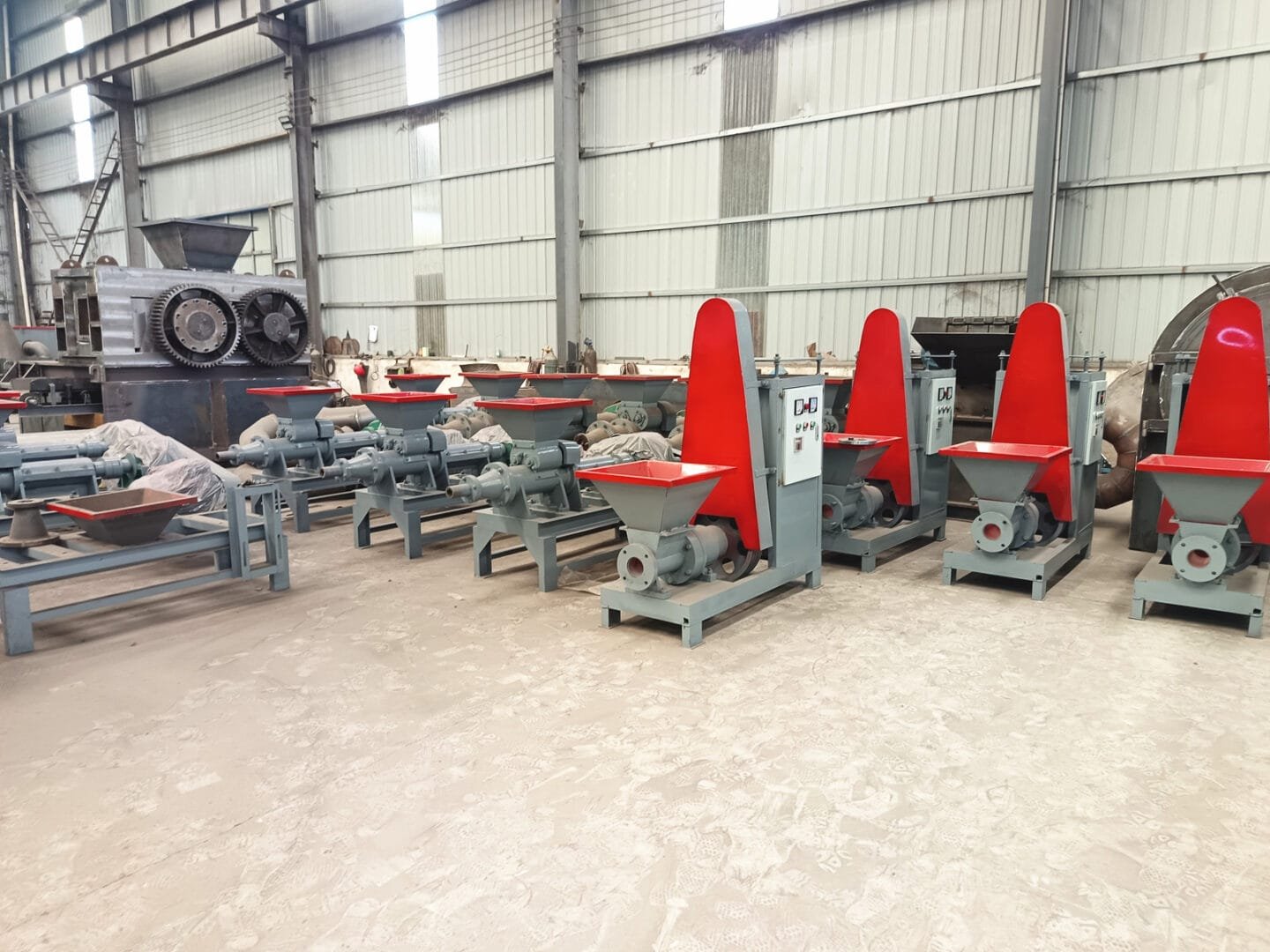
In a moment that marks both technological advancement and environmental commitment, Weiwa Machinery has successfully dispatched a complete biomass briquette machine production line to Bhutan. This strategic delivery of our sawdust extruder and associated equipment signifies more than just an export—it represents a collaborative step toward sustainable energy solutions tailored to the unique geographical and economic landscape of Bhutan.
As global industries pivot toward greener practices, the role of biomass briquette machines in transforming waste into valuable fuel is gaining prominence. For countries like Bhutan, where ecological preservation aligns closely with national identity, adopting efficient biomass technologies can redefine rural energy systems while reducing dependency on imported fuels.
The Significance of Biomass Briquette Machines in Bhutan
Nestled in the eastern Himalayas, Bhutan is globally celebrated for its dedication to Gross National Happiness over mere economic growth. Yet, even a nation so deeply rooted in sustainability faces challenges in meeting rising energy demands. With forests covering over 70% of its land area, Bhutan possesses abundant raw materials such as sawdust, Resíduos agrícolas, and other lignocellulosic biomass. No entanto, without proper processing technology, these resources often go underutilized or contribute to open burning, exacerbating air pollution.
Herein lies the transformative potential of the biomass briquette machine in Bhutan. These machines compact loose biomass into dense, high-calorific briquettes that serve as excellent substitutes for firewood and charcoal. By converting readily available sawdust into clean-burning fuel, communities can harness local resources, reduzir o desmatamento, and lower greenhouse gas emissions.
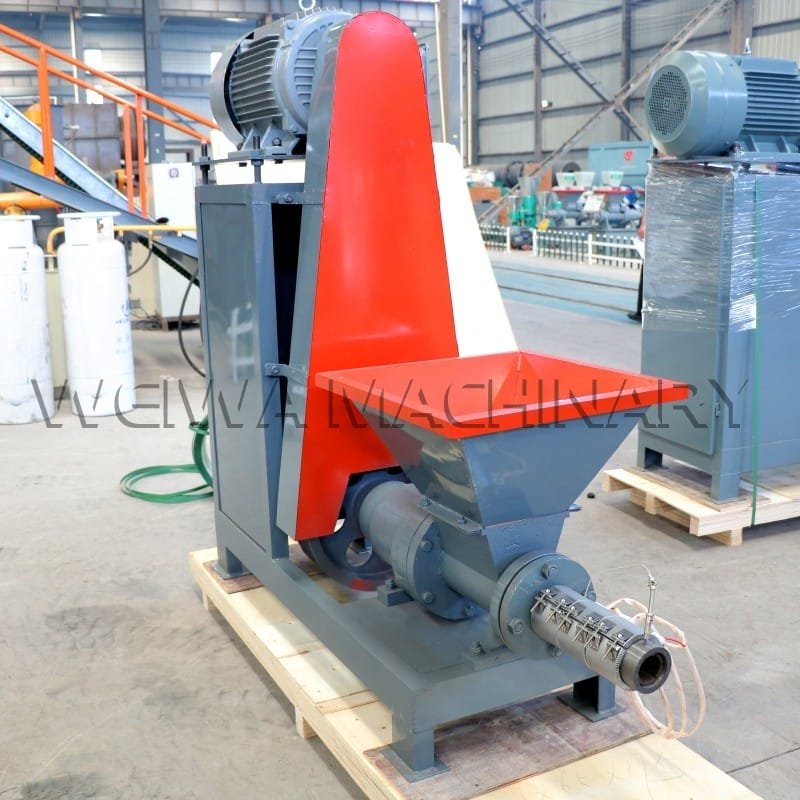
Nosso extrusora de serragem, a core component of the delivered line, plays a pivotal role in this process. Unlike traditional methods that require binders or complex preprocessing, modern extruders utilize high pressure and temperature to agglomerate biomass particles into uniform briquettes, ensuring optimal combustion efficiency and minimal ash content.
Unpacking the Science Behind Biomass Briquetting
To appreciate the impact of our machinery, it’s essential to understand the science underpinning biomass briquette production. At its heart, the process involves densification—compressing low-density biomass into solid forms with enhanced energy properties.
Raw Material Preparation and Characteristics
The journey begins with selecting suitable feedstock. In Bhutan, common sources include sawmill residues, wood shavings, cascas de arroz, and corn stalks. Each material exhibits distinct moisture content, lignin levels, and particle size distribution, all of which influence briquette quality. Proper drying and sizing are critical; excessive moisture hinders binding, while oversized particles create voids that weaken structural integrity.
Weiwa Machinery designs its máquinas de briquetagem de biomassa with adjustable chambers and variable screw configurations to accommodate diverse raw materials. This flexibility ensures consistent output regardless of regional variations in biomass composition.
The Role of Heat and Pressure in the Extrusion Process
At the core of our extrusora de serragem is a twin-screw mechanism that generates intense shear forces and frictional heat. As biomass passes through the barrel, natural lignin within plant cell walls softens and acts as a thermoplastic binder, bonding particles together upon cooling. This process eliminates the need for external adhesives, making the operation both cost-effective and environmentally benign.
Temperature control is meticulously managed to prevent thermal degradation of cellulose, which could otherwise reduce calorific value. Our engineers calibrate each unit based on empirical data from similar installations, ensuring peak performance in Bhutan’s temperate climate.
Post-Extrusion Handling and Quality Assurance
Once formed, briquettes exit the die in continuous lengths and are cut to standardized sizes. Cooling stabilizes their structure, after which they undergo quality checks for density, umidade, and combustion behavior. High-quality briquettes exhibit low volatile matter and high fixed carbon, translating to longer burn times and cleaner flames—key advantages for households and small-scale industries alike.
Why Bhutan? Aligning Technology with Ecological Vision
Bhutan’s constitution mandates maintaining at least 60% forest cover, a pledge that necessitates innovative approaches to resource use. Traditional charcoal production relies heavily on destructive harvesting of trees, contributing to habitat loss and soil erosion. Em contraste, briquetting leverages waste streams, aligning perfectly with Bhutan’s carbon-neutral aspirations.
Além disso, rural electrification remains uneven across the country. Many villages depend on kerosene or inefficient stoves, posing health risks and financial burdens. Deploying máquinas de briquetagem de biomassa empowers local entrepreneurs to produce affordable, clean fuel, fostering economic resilience and improving indoor air quality.
Weiwa Machinery recognizes that successful adoption hinges not only on robust equipment but also on contextual relevance. Our team conducted feasibility studies prior to shipment, assessing logistical constraints, power availability, and workforce skills. The result is a turnkey solution optimized for Bhutanese conditions, complete with operator training modules and remote diagnostics support.
On-Site Installation and Community Empowerment
The arrival of our machinery was met with enthusiasm by local stakeholders, including forestry departments, cooperatives, and renewable energy NGOs. During the unloading phase at the designated facility, our technical crew supervised the careful positioning of each module—from the crusher and dryer to the extrusora de biomassa and packaging unit.
Installation timelines were accelerated to minimize downtime, reflecting our commitment to swift deployment. Within days, trial runs commenced, producing briquettes that surpassed benchmark specifications. Local operators, many of whom had no prior experience with industrial machinery, quickly adapted thanks to intuitive interfaces and hands-on guidance.
Beyond technical transfer, we emphasized knowledge sharing. Workshops covered topics such as feedstock sourcing ethics, maintenance best practices, and market linkages for finished products. This holistic approach ensures that the biomass briquette machine in Bhutan becomes a catalyst for inclusive growth rather than a standalone asset.
Environmental and Economic Impacts of Localized Charcoal Production
Switching to briquetted charcoal yields multifaceted benefits. Environmentally, it curtails deforestation and reduces smoke emissions linked to respiratory illnesses. Economically, it creates jobs in collection, processamento, and distribution, particularly benefiting women and youth in rural areas.
A single máquina de briquetagem de serragem can process several tons of waste daily, diverting material from landfills and generating revenue streams. For Bhutan’s tourism sector—a cornerstone of its economy—cleaner cooking solutions enhance guest experiences while preserving pristine landscapes.
Além disso, surplus briquettes can be exported to neighboring regions, tapping into broader markets hungry for sustainable alternatives to fossil fuels. Our clients in Bhutan have already initiated dialogues with institutional buyers, signaling strong commercial viability.
Overcoming Challenges Through Innovation
No deployment is without hurdles. Bhutan’s rugged terrain poses transportation difficulties, necessitating modular designs that facilitate assembly onsite. Adicionalmente, intermittent power supply required integration of backup systems to maintain continuous operation.
Weiwa Machinery addressed these issues through engineering ingenuity. Nosso extrusora de biomassa features energy-efficient motors and smart load management, reducing peak demand. Portable generator compatibility further safeguards against outages, ensuring uninterrupted production cycles.
Training programs also tackled behavioral barriers. Convincing communities to adopt new technologies demanded demonstrations of tangible benefits. Testimonials from early adopters, coupled with visible reductions in household fuel expenses, have spurred wider acceptance.
Olhando para o futuro: Scaling Impact Across the Region
This inaugural project in Bhutan serves as a blueprint for future expansions. Building on lessons learned, Weiwa Machinery plans to customize solutions for varying scales—from cottage industries to large manufacturing hubs. Upcoming R&D focuses on enhancing automation and integrating IoT sensors for real-time monitoring, pushing the boundaries of what máquinas de briquetagem de serragem can achieve.
Collaboration remains central to our mission. Partnerships with governments, academia, and NGOs will drive research into crop-specific briquetting techniques and explore hybrid models combining solar drying with mechanical compression. Such innovations promise to elevate Bhutan’s standing as a pioneer in green energy transformation.
Conclusion – A Shared Journey Toward Sustainability
The shipment of our biomass briquette machine line to Bhutan underscores Weiwa Machinery’s belief that technology should serve humanity and the planet alike. Through the deployment of advanced extrusoras de serragem and comprehensive support systems, we are helping Bhutan unlock the latent value of its biomass wealth.
As these machines hum to life in workshops and villages, they weave a narrative of empowerment, conservation, and progress. It is a testament to what can be accomplished when visionary policies meet cutting-edge engineering. We remain steadfast in our commitment to accompany Bhutan on this path, delivering not just equipment, but enduring partnerships for a brighter, cleaner future.
Sobre Máquinas de Weiwa
Weiwa Machinery is a leading manufacturer specializing in biomass processing equipment, including máquinas de briquetagem de biomassa, extrusoras de serragem, and complete charcoal production lines. With decades of experience and a presence in over 30 países, we pride ourselves on delivering reliable, energy-efficient solutions tailored to local needs. Our philosophy centers on innovation, sustentabilidade, e sucesso do cliente, ensuring every project drives meaningful change. From consultation to commissioning, Weiwa Machinery stands as your trusted partner in building a greener world.
- MOB:+8613838093177
- Whatsapp:+8613838093177
- E-mail:info@cjlmachinegroup.com


 WeChat

 +8615937143060
