位于东南亚的中心, 茂密的森林满足了对可持续能源解决方案日益增长的需求, 老挝成为创新机械的机遇之地,将传统燃料实践与现代效率联系起来. 在Weiwa机械, 我们亲眼目睹了我们的球型煤机和完整的木炭生产线在这个充满活力的市场中的变革力量. With over three decades of experience in designing and manufacturing biomass processing equipment, we are proud to share insights into how our technologies are shaping the future of charcoal making in Laos—and why the potential here is boundless.
了解 Ball Briquette Machine and Its Role in Charcoal Production
To grasp the significance of our ball briquette machine in Laos, it is essential to first demystify what this equipment does and how it fits into the broader charcoal making ecosystem. A ball briquette machine, also known as a briquetting press, is a mechanical device that compresses powdered or granular biomass materials—such as sawdust, 稻壳, 椰子壳, or charcoal dust—into dense, 统一的煤球. 这些煤球, often referred to as ball charcoal briquettes, boast higher calorific value, 更长的燃烧时间, and easier storage compared to loose biomass.
The magic of the ball briquette machine lies in its ability to transform waste into wealth. In Laos, where agriculture and forestry are economic pillars, vast amounts of agricultural residues and wood byproducts are generated annually. 传统上, these materials might be burned openly, contributing to deforestation and air pollution. Our ball briquette machine offers a sustainable alternative: by compacting these residues into briquettes, we not only reduce waste but also create a clean-burning fuel that meets local energy needs.
Beyond individual machines, the true power unfolds in a complete charcoal ball briquette making production line. This integrated system typically includes raw material crushing, 烘干, mixing, briquetting via the ball briquette machine, 碳化 (for charcoal production), 和包装. Each stage is engineered to optimize efficiency, ensuring minimal waste and maximum output. 例如, our production lines are designed to handle varying moisture levels of raw materials, a critical feature given Laos’ tropical climate where humidity can fluctuate.
Why Laos Holds Immense Potential for Ball Briquette Machines?
Laos’ unique socioeconomic and environmental landscape makes it an ideal market for the adoption of ball briquette machines and charcoal production lines. Let us explore the key drivers of this potential.
Abundant Biomass Resources Fueling Demand
Laos is rich in biomass feedstock, thanks to its extensive forests and thriving agricultural sector. The country produces significant quantities of rice, corn, cassava, and sugarcane, leaving behind husks, stalks, and shells that are perfect for briquetting. 此外, forest-based industries generate sawdust and wood chips, which are underutilized in many regions. Our ball briquette machine thrives on such diversity, as it can process multiple types of biomass without requiring costly preprocessing. This abundance ensures a steady supply of raw materials, reducing operational risks for local entrepreneurs.
Rising Demand for Clean and Affordable Energy
As Laos undergoes rapid urbanization and industrialization, the demand for reliable energy sources has surged. 然而, many rural areas still rely on traditional fuels like firewood and charcoal, which are not only inefficient but also contribute to deforestation. Ball charcoal briquettes, produced by our machines, offer a cleaner alternative: they burn with less smoke, produce higher heat, 并且更容易运输. For households and small businesses, this translates to lower fuel costs and improved indoor air quality. 而且, with the Laotian government promoting renewable energy initiatives under its National Green Growth Strategy, there is growing policy support for technologies that reduce reliance on fossil fuels—creating a favorable environment for our charcoal making machine in Laos.
Environmental Imperatives Driving Adoption
Deforestation remains a pressing concern in Laos, with annual forest loss rates highlighting the need for sustainable resource management. Open burning of agricultural waste exacerbates the problem, releasing greenhouse gases and degrading soil health. Our ball briquette machine addresses this dual challenge: by converting waste into briquettes, it curtails open burning and reduces pressure on natural forests. Local communities are increasingly recognizing this benefit, with many farmers and cooperatives expressing interest in adopting briquetting technology to protect their land while generating income.
Economic Opportunities for Small and Medium Enterprises
For small and medium enterprises (中小企业) in Laos, investing in a ball briquette making production line presents a low-barrier entry into the green energy sector. Unlike large-scale industrial projects, our modular production lines are scalable, allowing businesses to start small and expand as demand grows. 此外, the end products—ball charcoal briquettes—have strong market appeal: they are sold in urban markets, used by restaurants and hotels, and even exported to neighboring countries. This creates a viable revenue stream, empowering local entrepreneurs to build sustainable livelihoods.
Case Study Insights from Weiwa Machinery’s Client Site in Laos
Over the years, Weiwa Machinery has installed several charcoal ball briquette making production lines across Laos, each tailored to the client’s specific needs. One notable project involved a client in Savannakhet Province, a region known for its rice cultivation and timber industry. Facing challenges with surplus rice husks and sawdust, the client sought a solution to convert waste into profit.
We began by conducting a site assessment to understand raw material availability and local energy demands. Our team recommended a customized production line featuring a high-efficiency ball briquette machine capable of processing both rice husks and sawdust. Given the region’s high humidity, we integrated a solar-powered dryer to ensure consistent moisture control—an innovation that reduced energy costs by 30%. The line also included a semi-automatic packaging unit to streamline distribution.
Within six months of operation, the client reported a 40% reduction in waste disposal costs and a steady monthly output of 50 tons of ball charcoal briquettes. These briquettes quickly gained traction in nearby towns, where they replaced traditional charcoal due to their superior performance. The success of this project has inspired other SMEs in the province to invest in similar lines, creating a ripple effect of sustainable development.
Behind the Scenes: Ball Briquette Machine Shipment to Luang Prabang
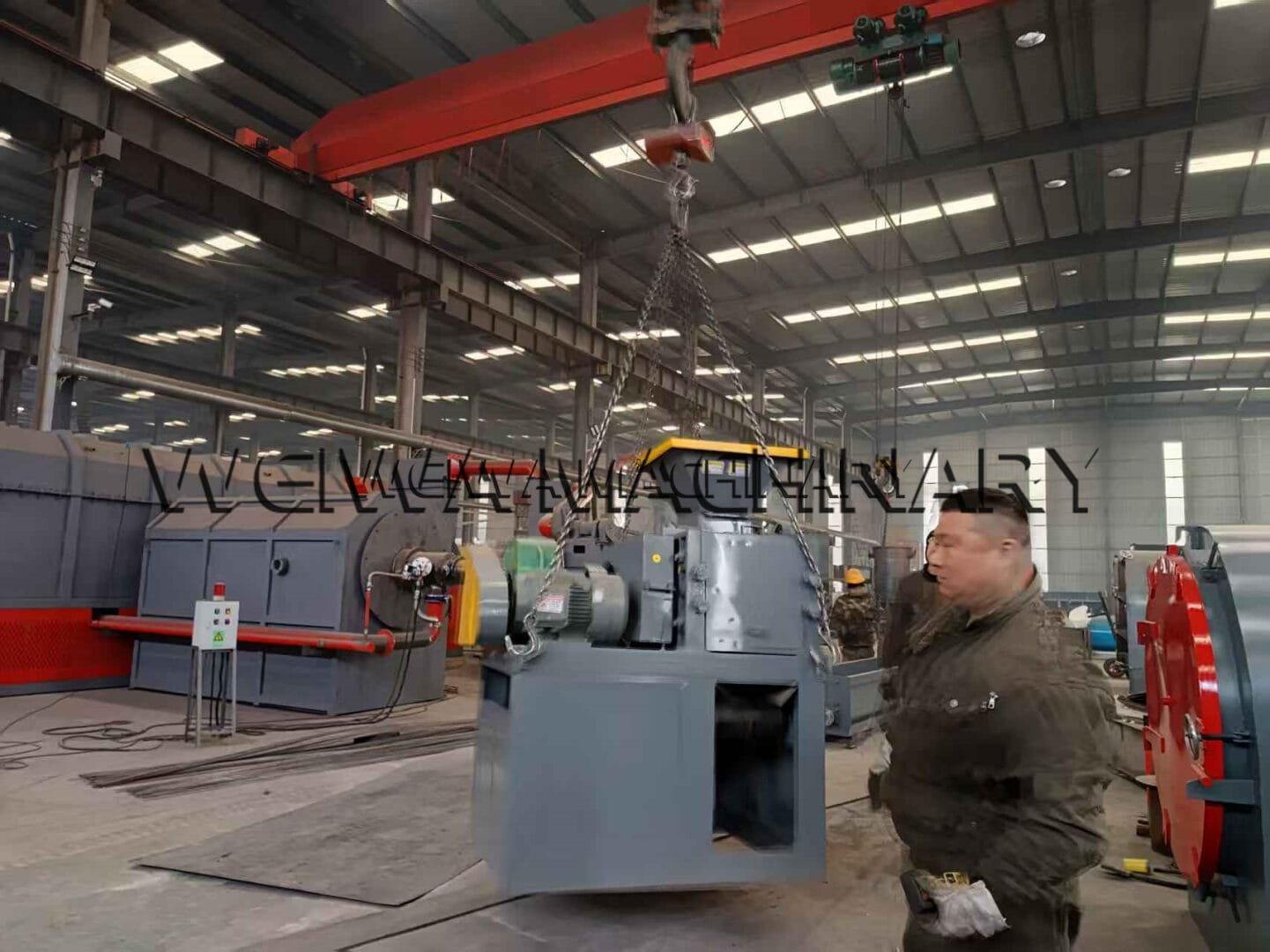
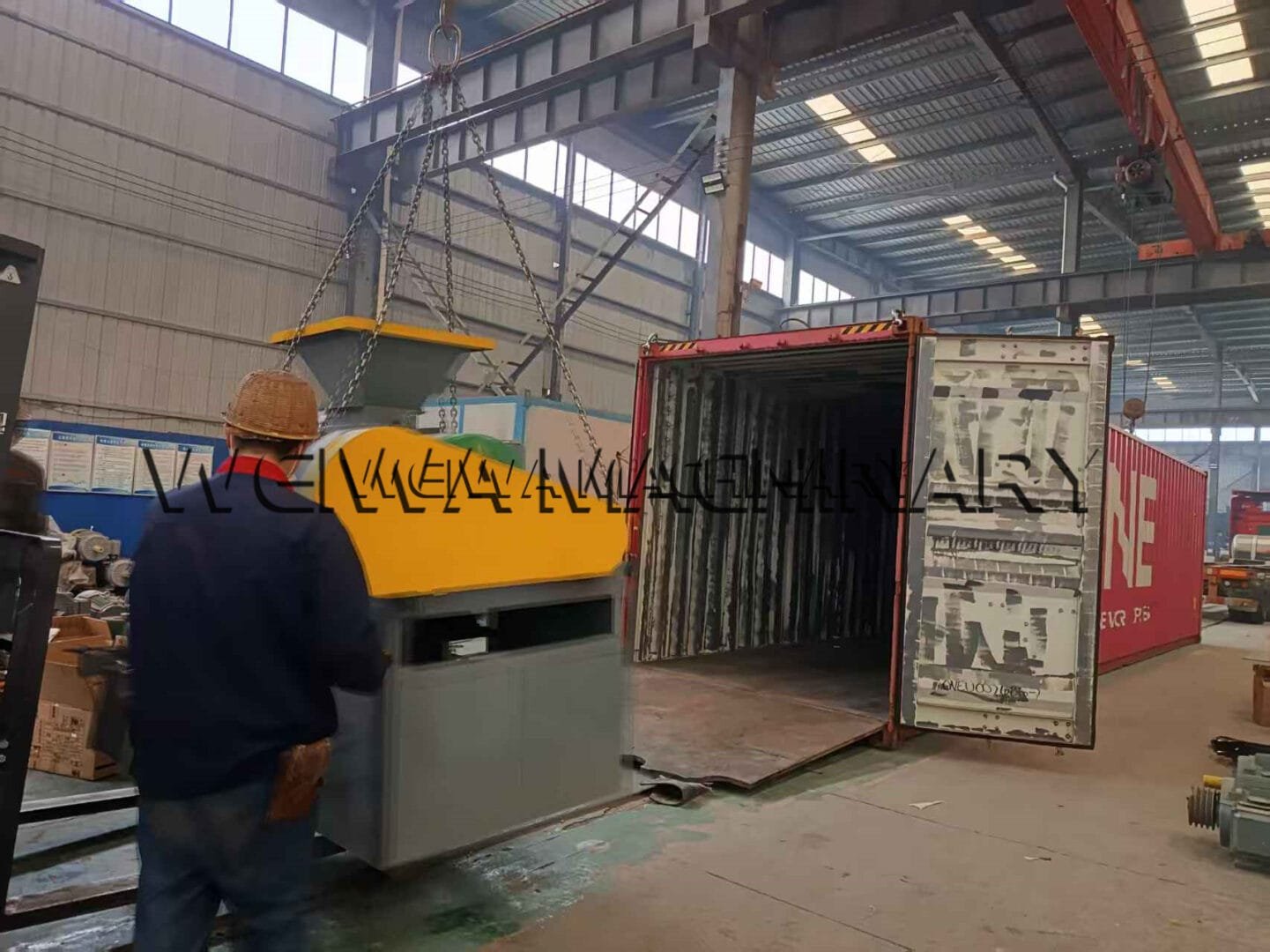
The journey of a 木炭球制作生产线 from our factory to a client’s doorstep is a testament to our meticulous logistics and dedication to timely delivery. Take, for example, a recent shipment to a family-owned agro-processing business in Luang Prabang Province. Nestled between the Mekong River and lush mountains, this client aimed to transform coconut shells and rice husks—abundant byproducts of local farming—into premium ball charcoal briquettes for urban markets.
Demystifying the Ball Briquette Making Process in Laos Context
While the concept of briquetting is straightforward, understanding the nuances of a charcoal ball briquette making production line helps clients maximize its benefits. Let us walk through the typical workflow, adapted to Laos’ conditions.
原材料准备
The journey begins with collecting and sorting biomass. In Laos, common feedstocks include rice husks, 玉米棒子, 椰子壳, and sawdust from furniture workshops. Our production lines are equipped with crushers that break down larger pieces into particles smaller than 5mm, ensuring uniform feeding into the ball briquette machine. For wet materials, such as freshly cut wood chips, a drying system is crucial. We offer both hot-air dryers and solar dryers, with the latter being particularly popular in Laos due to abundant sunlight.
Mixing and Binder Addition
Depending on the raw material’s natural cohesiveness, a binder may be added to enhance briquette strength. In Laos, some clients use starch from cassava or molasses as natural binders, aligning with the country’s agricultural strengths. Our engineers work closely with clients to determine the optimal binder ratio, balancing cost and performance.
Briquetting with the Ball Briquette Machine
This is the core stage where the ball briquette machine shines. Our machines use hydraulic or mechanical pressure to compress the mixture into briquettes of standard sizes (typically 30-50mm in diameter). The pressure applied is carefully calibrated to ensure briquettes are hard enough to withstand handling but porous enough to burn efficiently. For charcoal production, the briquettes undergo carbonization in kilns, transforming them into high-carbon charcoal balls with enhanced calorific value.
Quality Control and Packaging
Consistency is key to market acceptance. Our production lines include quality checkpoints to monitor briquette density, 水分含量, 和燃烧性能. 最后, automated packaging systems seal the briquettes in eco-friendly bags, ready for sale. In Laos, where retail markets favor branded packaging, we also assist clients in designing labels that highlight the product’s eco-friendly credentials.
Overcoming Challenges and Seizing Opportunities in Laos Market
While the prospects are bright, entering the Laotian market requires addressing certain challenges. One common hurdle is the initial investment cost, which can deter small-scale operators. To mitigate this, Weiwa Machinery offers flexible financing options and refurbished machines for budget-conscious clients. 此外, we provide comprehensive training programs to ensure operators master the ball briquette machine and production line, 最大限度地减少停机时间.
Another consideration is infrastructure. In remote areas of Laos, access to electricity and transportation can be limited. Our machines are designed to operate efficiently on single-phase power, and we offer diesel-powered alternatives for off-grid sites. 此外, we assist clients in planning logistics, such as identifying local suppliers for spare parts and optimizing delivery routes.
Culturally, building trust is vital. We prioritize long-term partnerships over one-time sales, offering after-sales support that includes regular maintenance visits and 24/7 技术援助. This approach has earned us a reputation as a reliable partner, with many clients referring us to others in their network.
The Future of Charcoal Making Machine in Laos with Weiwa Machinery
展望未来, the future of the ball briquette machine in Laos is intertwined with global trends toward sustainability and energy security. As the world shifts away from fossil fuels, demand for biomass briquettes will only grow—and Laos, with its untapped biomass resources, is poised to become a regional hub for green fuel production.
在Weiwa机械, we are committed to driving this growth. We continuously innovate our ball briquette machine to enhance efficiency and reduce energy consumption. Recent advancements include AI-powered sensors that monitor briquette quality in real time and smart controls that adjust pressure based on raw material moisture. These features not only improve output but also make our machines more user-friendly for operators in Laos.
而且, we are expanding our presence in Laos by establishing a local service center staffed with bilingual technicians. This initiative aims to shorten response times for maintenance requests and foster closer collaboration with clients. By combining cutting-edge technology with localized support, we aim to make our charcoal ball briquette making production line accessible to every corner of Laos.
关于 WEIWA机械 Pioneering Sustainable Solutions for Three Decades
对于超过 30 年, Weiwa Machinery has been at the forefront of manufacturing biomass processing equipment, specializing in ball briquette machines and complete charcoal production lines. 我们的旅程始于一个简单的使命: to turn waste into valuable resources, empowering communities worldwide. 今天, we serve clients in over 50 国家, with a track record of delivering reliable, 高效的, and eco-friendly solutions.
What sets us apart is our holistic approach. Beyond supplying machines, we offer professional after-sales teams that provide installation guidance, 操作员培训, and ongoing maintenance. We understand that every client’s needs are unique, so we pride ourselves on customized services and design drawings for site planning—ensuring seamless integration of our equipment into existing operations. Whether you are a small farmer cooperative or a large-scale enterprise, we work closely with you to tailor solutions that align with your goals.
If you are exploring the potential of a ball briquette machine or charcoal making machine in Laos, we invite you to contact us for inquiries. Let Weiwa Machinery be your partner in unlocking sustainable energy and economic growth in this promising market. 一起, we can shape a greener future—one briquette at a time.
- 暴民:+8613838093177
- WhatsApp:+8613838093177
- 电子邮件:info@cjlmachinegroup.com



微信
+8613838093177