


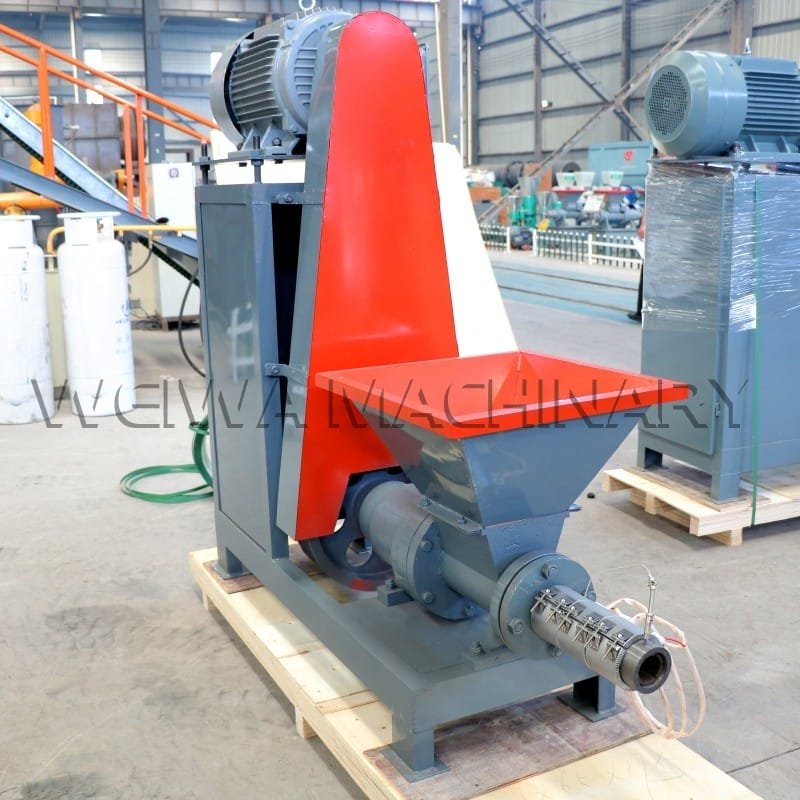
位于孟加拉国不断发展的生物质能源行业的中心, 威瓦机械将全套锯末挤压机设备装上发往当地合作伙伴的集装箱,这是一个具有里程碑意义的时刻。. 这批货物不仅仅是跨境机械; 它是先进木炭生产技术和孟加拉国对可持续燃料解决方案的迫切需求之间的桥梁. 多年来, 孟加拉国正在努力解决传统木材制炭导致的森林砍伐问题, 而其丰富的农业残留物——木屑, 稻壳, 椰子壳——未得到充分利用. 我们的锯末挤出机和相关系统的到来标志着一个转折点: 变废为宝, 并将烟雾转化为清洁能源.
为什么孟加拉国需要木屑木炭生产?
孟加拉国的木炭需求源于其烹饪文化, rural heating needs, and small scale industrial processes. 传统上, households and small businesses relied on charcoal made from felled trees, a practice that has accelerated forest degradation. According to local environmental reports, Bangladesh loses over 10,000 每年公顷森林, with charcoal production contributing significantly to this loss. Compounding the issue is the country’s heavy dependence on imported fossil fuels for some industrial applications, straining foreign exchange reserves.
Enter biomass charcoal: a renewable alternative made from agricultural and forestry waste. 木屑, a byproduct of Bangladesh’s thriving furniture and timber industries, is generated in massive quantities—estimates suggest over 2 million tons yearly—yet most is discarded or burned openly, 造成空气污染. A single sawdust extrude machine can convert this waste into high density briquettes that match or exceed the calorific value of traditional wood charcoal. For Bangladesh, adopting sawdust briquette machine technology means three critical wins: 减少森林砍伐, cutting carbon emissions, and creating income opportunities for rural communities.
Unpacking 木屑挤出机 Technology for Bangladeshi Context
在Weiwa机械, we design sawdust extruder systems with emerging markets like Bangladesh in mind. Our equipment is tailored to handle the unique characteristics of local raw materials—high moisture content in fresh sawdust, variable particle sizes, and seasonal availability. Let’s demystify how a typical sawdust extrude machine works in the context of Bangladeshi charcoal production.
How Sawdust Extruder Transforms Waste into Solid Fuel?
The core of our sawdust extruder lies in its ability to apply heat and pressure to loose biomass particles, forcing them to bind into dense briquettes without chemical additives. For Bangladeshi users, this process starts with collecting sawdust from furniture workshops or timber mills. The material is first dried to reduce moisture below 12%—a step our systems integrate with optional solar dryers to cut energy costs. 下一个, the dried sawdust enters the extruder chamber, where rotating screws compress the material against a heated die. The combination of friction induced heat and mechanical pressure softens lignin—the natural glue in plant cells—allowing particles to fuse into solid logs. The result is a sawdust briquette machine output: 制服, low ash briquettes that burn longer and cleaner than traditional charcoal.
What makes our sawdust briquetting machine ideal for Bangladesh is its adaptability. Unlike rigid systems designed for single feedstocks, our extruders handle mixed inputs—sawdust blended with rice husks or coconut coir—maximizing resource efficiency. For smallholder farmers or cooperatives, this flexibility means they can use whatever waste is locally available, eliminating reliance on a single raw material source.
Key Features of Weiwa Machinery’s Sawdust Extrude Machine for Bangladesh
Our sawdust extrude machine prioritizes durability and ease of use—critical factors for Bangladeshi operators who may have limited access to specialized maintenance. The main components are built with high grade steel alloys resistant to abrasion from silica in sawdust, ensuring a lifespan of over 5 years even with daily operation. We also incorporate variable speed controls, allowing users to adjust compression based on feedstock type: softer materials like rice husks require lower pressure, while denser sawdust needs higher force.
Energy efficiency is another focus. Many Bangladeshi regions face unreliable electricity grids, so our sawdust briquette machine can be configured to run on diesel generators or even biogas from anaerobic digesters—turning waste into power for the very process that creates more waste derived fuel. 此外, the machine’s compact footprint fits small workshops, a boon for urban areas where space is at a premium.
The Role of Sawdust Briquette Machine in Building Bangladesh’s Green Economy
Deploying sawdust briquette machines in Bangladesh goes beyond replacing one fuel with another—it catalyzes a circular economy. Consider a typical village: a furniture maker generates sawdust; a nearby farm produces rice husks. With a shared sawdust extruder, these wastes become briquettes sold to local tea stalls, 面包店, or households. The income from briquette sales supplements the furniture maker’s earnings and provides rural women’s groups with a livelihood opportunity, as briquette shaping and packaging are tasks well suited to community based enterprises.
而且, sawdust briquetting machine operations reduce open burning of agricultural waste, a major source of PM2.5 pollution in Bangladesh’s cities. Studies show that switching to biomass briquettes cuts particulate matter emissions by up to 80% compared to open fires. For Bangladesh, which ranks among the top 10 countries for air pollution related deaths, this shift is a public health imperative. Our recent collaboration with a Dhaka based NGO revealed that households using our briquettes reported 40% fewer respiratory issues, a testament to the technology’s real world impact.
On Site Insights from the Sawdust Extrude Machine Shipment to Bangladesh
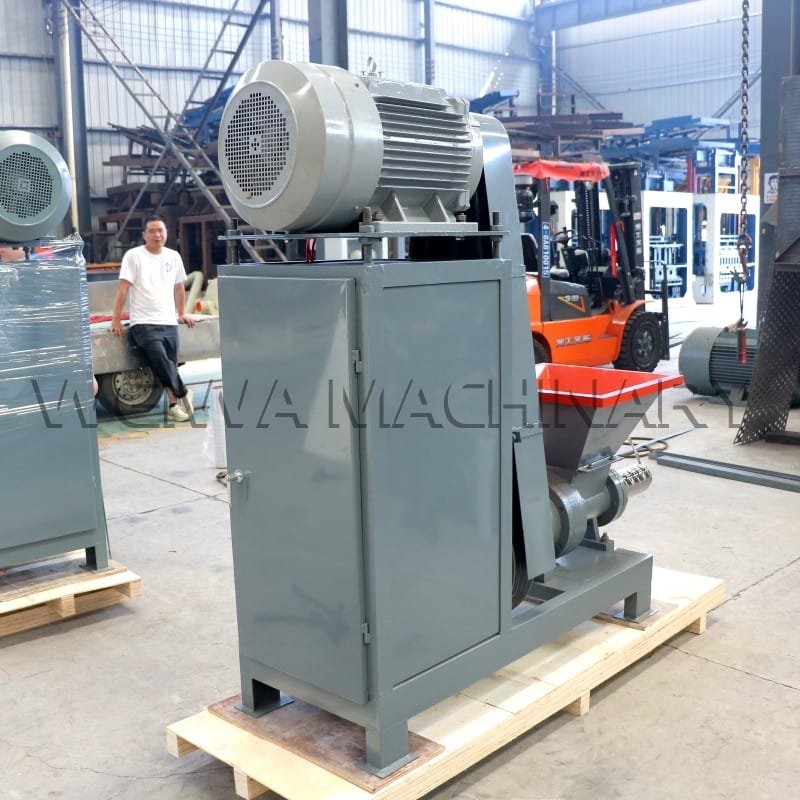
The day of shipment was a flurry of coordination at Weiwa Machinery’s factory. Our team inspected each component of the sawdust extrude machine—from the extruder screws to the control panels—ensuring compliance with international shipping standards. The cargo included not just the machinery but also training manuals in Bengali, 备件套件, and a remote monitoring system that allows our engineers to troubleshoot issues via satellite connection.
For our Bangladeshi partners, this shipment represents more than equipment; it’s a partnership. We’ve scheduled on site training sessions post delivery, covering everything from raw material preparation to machine maintenance. One partner, a cooperative of 50 small scale sawmill owners, plans to set up a community owned briquette plant. “Before, we paid to dispose of sawdust,” said their leader during a pre shipment call. “Now, we’ll turn it into profit and protect our forests.”
Maximizing the Impact of Sawdust Extruder in Bangladesh’s Diverse Regions
Bangladesh’s geography varies from the flood prone lowlands to the Chittagong Hill Tracts, each with distinct waste streams. In the north, rice husks dominate; in the south, coconut shells are abundant; and in urban hubs like Chattogram, sawdust from furniture clusters is plentiful. Our sawdust extrude machine is being customized for these regional differences. 例如, in the coastal districts, we’re integrating dewatering units to handle moist coconut shell powder, while in flood prone areas, we’re designing elevated platforms for the briquette machine to avoid water damage.
Local adaptation also extends to end user needs. Tea gardens in Sylhet prefer long burning briquettes for their clay ovens, so we’ve adjusted the extruder die size to produce 30 cm logs instead of the standard 20 厘米. Street food vendors in Dhaka, who need quick lighting fuel, benefit from our fast ignition briquette formula—achieved by slightly increasing the sawdust particle size to create more surface area for combustion. These nuances ensure the sawdust briquette machine isn’t a one size fits all solution but a tool that evolves with Bangladesh’s diverse landscape.
Overcoming Challenges in Adopting Sawdust Briquetting Machine Technology
No innovation is without hurdles, and Bangladesh’s journey with sawdust extrude machines faces unique challenges. Initial capital costs deter some small operators, though we offer flexible payment plans tied to briquette sales revenue. Another barrier is awareness—many still view biomass briquettes as “low quality” compared to wood charcoal. 为了应对这一点, we’re conducting cooking demonstrations in villages, showing that our briquettes maintain heat for 2 3 小时, enough to cook a full meal, with less smoke.
Technical support is also critical. While our remote monitoring helps, we’re establishing a local service center in Dhaka staffed with Bengali speaking technicians. During the first year, we’ll provide free maintenance visits to build trust. As one of our engineers noted, “In Bangladesh, relationships matter as much as machinery. We’re not just selling a sawdust extruder; we’re building a support network.”
The Future of Charcoal Production in Bangladesh with Sawdust Extrude Machine
展望未来, the potential of sawdust extrude machine technology in Bangladesh is vast. The government’s recent push for renewable energy targets—aiming for 10% of primary energy from renewables by 2030—aligns perfectly with biomass briquettes. We foresee a future where every district has a community briquette plant, powered by local waste and operated by trained youth. Schools could even integrate sawdust briquetting machine workshops into vocational curricula, equipping the next generation with green skills.
威瓦机械, this shipment is just the beginning. We’re already designing next generation sawdust extruders with AI powered feedstock sensors to optimize compression automatically, further reducing operator effort. Our vision is a Bangladesh where forests thrive, air is clean, and no sawdust goes to waste—all powered by the humble yet transformative sawdust extrude machine.
关于 WEIWA机械
Weiwa Machinery is a global leader in biomass processing equipment, specializing in sawdust extrude machines, 木屑压球机, 和完整的木炭生产线. 随着超过 30 多年的经验, we combine engineering excellence with deep market understanding to deliver solutions that empower communities and protect the planet. Our commitment to sustainability drives us to design energy efficient, adaptable machinery tailored to emerging markets like Bangladesh. From factory to field, 我们支持我们的客户, offering end to end support that turns technological potential into tangible progress.


 微信
微信

 +8615937143060
