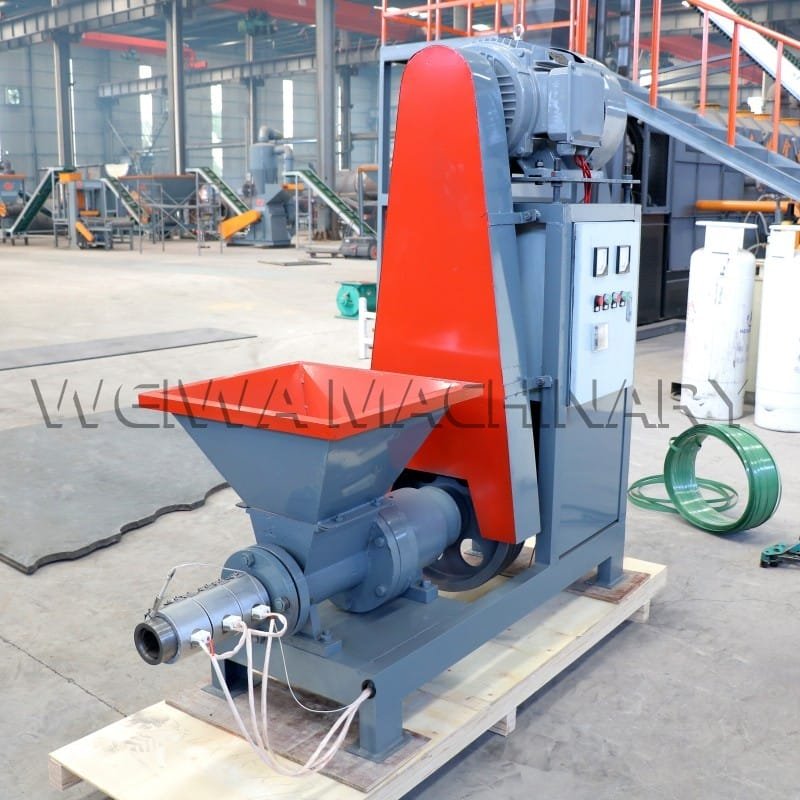
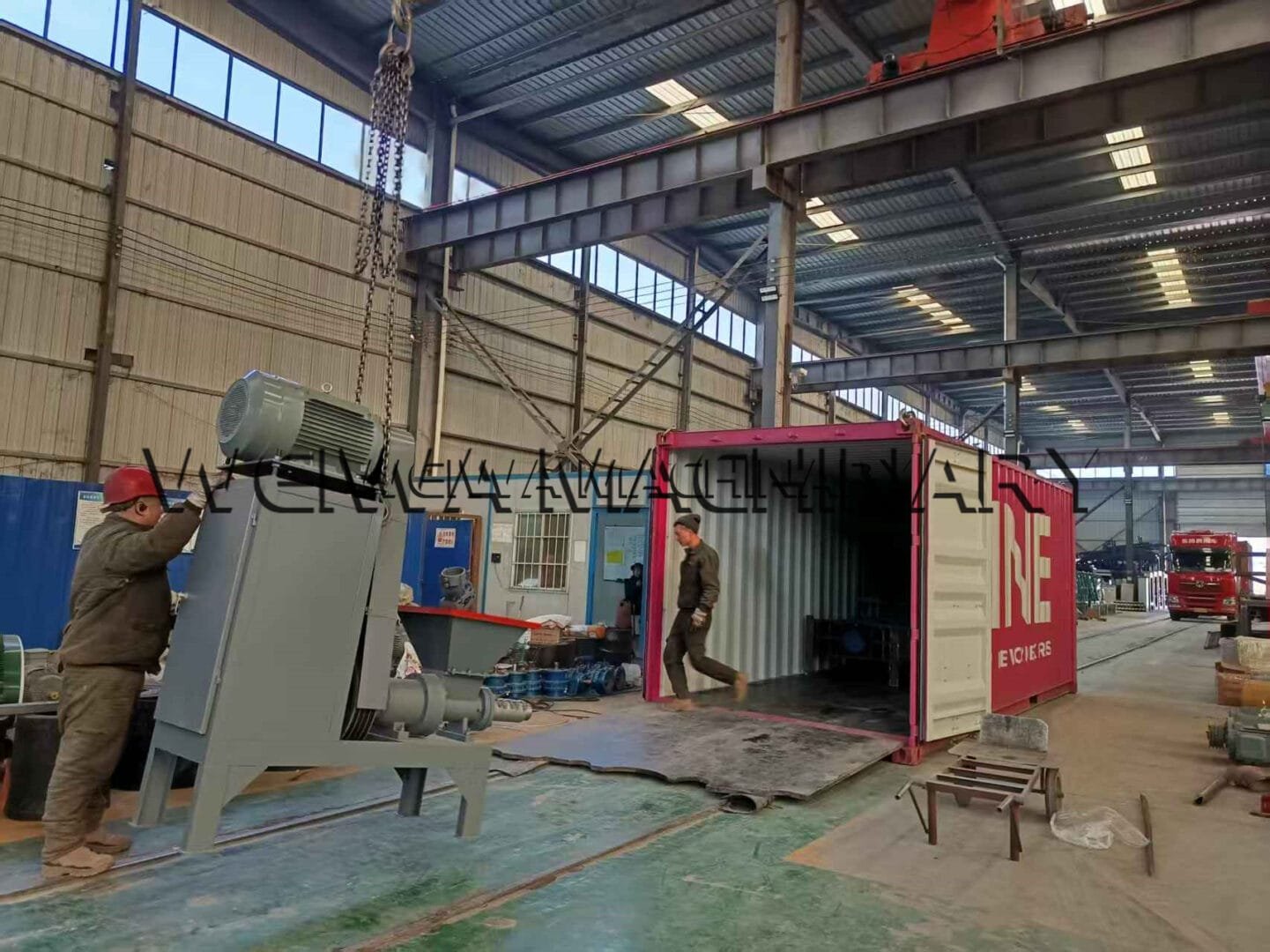
在Weiwa机械, 我们相信创新应该跨越国界并赋予社区权力. 最近, 我们自豪地向伊拉克装载并运送了一条完整的木炭生产线——这个项目不仅对我们公司而且对该地区的生物质能源发展来说都是一个里程碑.
Setting the Scene
伊拉克, 拥有丰富的农业景观和丰富的锯末等农业废弃物, 稻壳, 和稻草, 可持续生物质解决方案具有巨大潜力. 然而, 由于加工技术有限,大部分原材料仍未得到充分利用. 认识到这一差距, stakeholders in Iraq reached out to Weiwa Machinery for a tailored solution — a full-scale 锯末挤压机-based charcoal machine production line capable of converting waste into wealth.
The urgency for alternative fuel sources has grown over recent years, driven by deforestation and fluctuating global energy prices. Locally produced charcoal from renewable biomass offers a viable path forward. Our mission was clear: deliver robust, easy-to-operate machinery that aligns with Iraqi industries’ capabilities while ensuring high output and low environmental impact.
的作用 Sawdust Extrude Machines
What Is a Sawdust Extrude Machine?
一个 木屑挤出机 is at the heart of modern biomass densification systems. It applies heat and pressure to compress loose sawdust particles into solid forms, such as rods or briquettes, without requiring binders in many cases. In Iraq, where natural binding components exist within certain wood types, our machines leverage these properties to maximize efficiency.
The core mechanism involves feeding raw sawdust into a screw conveyor, where frictional heat softens lignin — a natural polymer in wood that acts as a binder when heated. As the material moves through the barrel under high pressure, it forms dense cylindrical shapes ready for carbonization. This process ensures minimal additives, preserving the eco-friendly nature of the final product.
Sawdust Briquette Machine vs. 木屑压块机
While often used interchangeably, there are subtle distinctions between a 木屑压球机 and a 木屑压块机. The former typically refers to equipment producing pillow-shaped or rod-type briquettes via extrusion, whereas briquetting machines may include both hydraulic and mechanical presses for varied geometries. 在Weiwa机械, our extrusion-based 木屑压球机 excels in continuous operation, offering consistent quality and lower power consumption — ideal for Iraq’s industrial setups.
Our design prioritizes durability, ease of maintenance, and adaptability to different moisture levels common in Iraqi feedstock. Whether processing pine sawdust from northern forests or hardwood residues from date palm industries, the machine maintains optimal performance.
The Journey to Iraq – Logistics and On-Site Preparation
跨大陆运输重型工业设备需要精心规划. Our team coordinated closely with logistics partners to ensure safe transport of the charcoal production line, 包括 锯末挤压机, 压碎机, 烘干机, 碳化炉, and packaging units. Each component was securely packed to withstand transit challenges en route to Iraq.
抵达后, our engineers joined local technicians to assemble and test the system. Training sessions were conducted to familiarize operators with routine maintenance, 故障排除, 和安全协议. We emphasized the importance of monitoring input material size and humidity to maintain briquette integrity — a key factor in maximizing furnace efficiency during carbonization.
Science Behind Charcoal Making – A Practical Guide for Iraq
Understanding the transformation from sawdust to charcoal demystifies the value of investing in a sawdust extrude machine in Iraq. Let’s explore the stages:
原材料准备
Biomass must be dried to around 8–12% moisture content before extrusion. Iraqi users can utilize solar drying or our integrated rotary dryer to achieve consistency. Uniform particle size (usually 3–5 mm) ensures smooth flow through the 锯末挤压机 and prevents blockages.
挤压工艺
During extrusion, the combined action of heat (from friction) and pressure causes partial decomposition of cellulose and hemicellulose, releasing volatile gases. Lignin melts and re-solidifies upon cooling, binding particles into cohesive briquettes. This step significantly increases energy density compared to loose sawdust.
Carbonization – Turning Briquettes into Charcoal
The extruded briquettes enter a kiln or retort furnace where oxygen is restricted. Pyrolysis occurs: organic matter breaks down into charcoal, 焦油, 和可燃气体. Controlled heating at 300–600°C yields high-carbon charcoal suitable for cooking, 冶金, or further activation into activated carbon. Iraqi enterprises can use the residual gas to fuel the carbonizer, enhancing sustainability.
This closed-loop approach minimizes emissions and maximizes resource efficiency — aligning with Iraq’s growing emphasis on green manufacturing.
Benefits for Iraq – Economic and Environmental Impacts
Deploying a 木屑压块机 in Iraq unlocks multiple advantages:
- 废物增值: Agricultural and woodworking residues become revenue streams instead of landfill burden.
- Energy Independence: Reduces reliance on imported fossil fuels and firewood, easing pressure on forests.
- Job Creation: From collection and sorting to machine operation and sales, the value chain supports rural employment.
- Cleaner Air: Briquettes burn more efficiently than loose biomass, lowering particulate emissions in homes and industries.
而且, government incentives for renewable projects could further accelerate adoption. Our team provided feasibility insights to help Iraqi partners navigate regulatory landscapes and secure funding.
Overcoming Challenges – Tailoring Solutions for Local Conditions
Iraq’s climate poses unique hurdles: high ambient temperatures can affect machine cooling, while dust storms require reinforced filtration. Weiwa Machinery addressed these by equipping our 锯末挤压机 with enhanced thermal management and sealed bearings. We also recommended scheduling maintenance during cooler periods to optimize longevity.
Material variability was another consideration. Some regions produce greener sawdust with higher sap content, which demands adjusted drying times. Our modular dryer design allows quick adaptation, ensuring uninterrupted production regardless of seasonal changes.
Training programs continue post-installation, with remote support available via video calls and spare parts dispatched promptly from our warehouses. This commitment ensures that the sawdust extrude machine in Iraq operates reliably year-round.
Real-Time Insights from the Field – Early Results
Within weeks of commissioning, Iraqi clients reported impressive outputs: 到 1 ton of charcoal per day from 4–5 tons of raw sawdust, depending on feedstock type. Briquette density reached 1.1–1.3 g/cm³, enabling longer burning times and reduced smoke — a direct benefit for households and small-scale industries.
Feedback highlighted user-friendly controls and rapid ROI, with payback periods estimated at 12–18 months under full-capacity usage. These early wins reinforce confidence in biomass charcoal as a cornerstone of Iraq’s sustainable energy future.
Looking Ahead – Scaling Impact Across the Region
This shipment is more than a single transaction; it represents a model replicable across the Middle East and North Africa. Countries facing similar biomass surplus and energy challenges can adopt our integrated approach: from 锯末挤出机 to carbonization units, all designed for rugged reliability and scalability.
Weiwa Machinery remains committed to R&D, exploring automation and AI-driven monitoring to further boost efficiency. Future upgrades may include solar-powered components, reducing grid dependence in off-grid Iraqi communities.
关于 WEIWA机械
Founded with a vision to turn waste into worth, Weiwa Machinery specializes in manufacturing high-performance biomass processing equipment, 包括 锯末挤出机, 木屑压球机, 和完整的木炭生产线. With decades of engineering expertise and a global presence spanning Asia, 非洲, 和中东, we deliver turnkey solutions backed by training, 技术支援, and customized designs.
Our philosophy centers on empowering clients through knowledge transfer and robust machinery that thrives in diverse environments. Every project, like the recent Iraq shipment, reflects our dedication to sustainability, 质量, and partnership.
Whether you seek to establish a small briquette workshop or a large-scale carbonization plant, Weiwa Machinery stands ready to guide you from concept to commissioning — transforming biomass dreams into tangible success.


微信
+8613838093177