


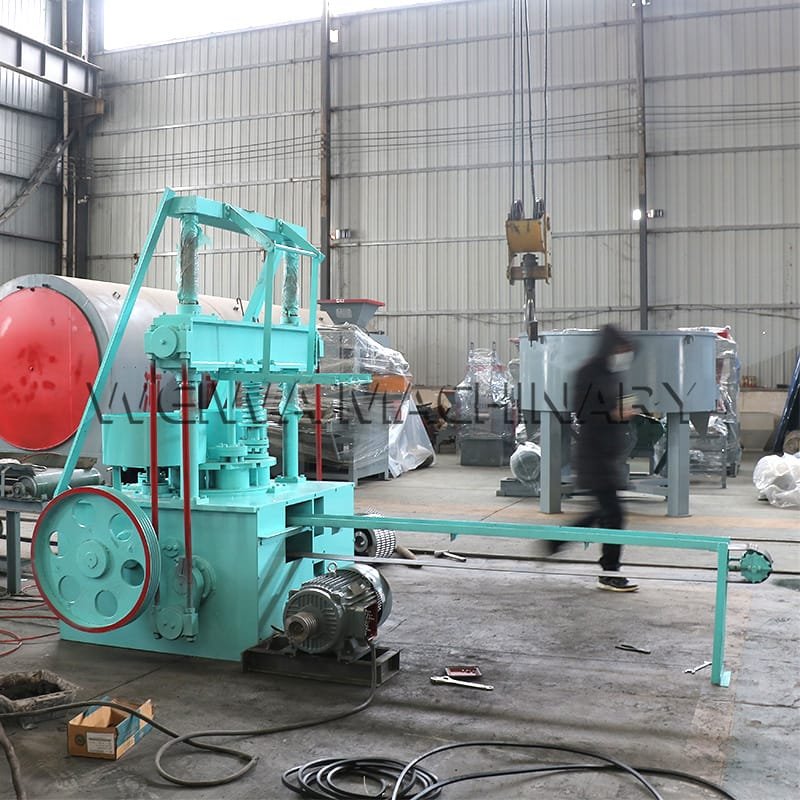
在Weiwa机械, 我们相信,只有满足现实世界的需求,创新才会蓬勃发展. 最近, 我们的团队有幸对我们的产品进行了现场试用 蜂窝煤压块机 for a group of Nigerian entrepreneurs eager to revolutionize their local charcoal industry. 这次动手演示不仅展示了机器的功能,还加深了我们对尼日利亚日益增长的可持续发展需求的了解, 高效燃料解决方案.
理解 Honeycomb Briquettes Machine
在进入试验之前, let’s demystify what makes 蜂窝煤 改变游戏规则的人. 与传统的块状木炭或松散生物质不同, 蜂窝煤块是圆柱形块,具有独特的六边形或方形“蜂窝”芯,因此得名. 这个设计不仅仅是美观; 它专为实现最佳性能而设计.
The Science Behind the Structure
The honeycomb pattern increases the surface area of the briquette, allowing for more even heat distribution during combustion. Compared to irregularly shaped charcoals, this structure reduces smoke emissions by up to 40% and extends burn time by 25-30%. For regions like Nigeria, where indoor cooking with wood or kerosene poses health risks, this translates to cleaner air and safer kitchens. 此外, the compact form minimizes waste, as smaller pieces can be fully utilized without crumbling.
Raw Materials: 从浪费到财富
One of the most appealing aspects of honeycomb briquette production is its versatility. 我们的 蜂窝煤木炭机 processes a range of raw materials, 包括锯末, 椰子壳, 稻壳, 玉米棒子, and even agricultural residues like sugarcane bagasse. 在尼日利亚, where agriculture is a cornerstone of the economy, these materials are abundant and often discarded. By converting them into high-value fuel, local producers can turn waste into profit while reducing deforestation linked to traditional charcoal making.
Why Nigeria? The Perfect Match for Honeycomb Briquette Technology
Nigeria’s energy landscape presents both challenges and opportunities. 随着超过 70% of households relying on solid fuels for cooking, the demand for affordable, clean alternatives is urgent. 然而, existing solutions often fall short: imported briquettes are costly, and local production methods are labor-intensive and inefficient.
这就是我们的 honeycomb briquette charcoal machine in Nigeria 步入. Designed for small-to-medium-scale enterprises, the machine balances affordability with industrial-grade efficiency. Its compact footprint suits workshops in urban areas like Lagos or rural communities in Kano, while its low power consumption (compatible with single-phase electricity) aligns with Nigeria’s infrastructure realities. 对于企业家, this means lower startup costs and faster returns—critical factors in a market hungry for scalable solutions.
审前准备: Tailoring the Machine to Nigerian Needs
Our journey began weeks before the trial, with close collaboration between Weiwa’s engineers and the Nigerian client team. We knew success hinged on customization: local raw materials vary in moisture content and density, so the machine’s settings needed fine-tuning.
材料测试: Ensuring Compatibility
We collected samples of coconut shells and sawdust from Nigeria’s southern regions—common agricultural byproducts—and ran preliminary tests at our factory. Using our honeycomb briquette mold making machine, we adjusted the compression ratio to account for the higher lignin content in coconut shells, which requires more force to bind. For sawdust, we optimized the moisture level (targeting 10-12%) to prevent clumping during extrusion. These tweaks ensured the machine would perform reliably with locally available feedstocks.
Training the Team: Empowering Local Operators
A machine is only as good as its operator. Prior to the trial, we conducted virtual training sessions, covering everything from raw material preparation to troubleshooting common issues like jamming. We emphasized the importance of consistent feeding and regular cleaning of the 蜂窝冲孔机’s dies—small steps that prevent downtime and extend the machine’s lifespan.
大日子: Live Trial of the Honeycomb Briquette Machine in Nigeria
When the day arrived, the energy at the client’s workshop was palpable. Our team unloaded the 蜂窝煤压块机, a sleek, steel-framed unit with a user-friendly control panel, alongside auxiliary equipment like mixers and dryers. 三天多, we demonstrated end-to-end production, from raw material processing to final packaging.
步 1: Preparing the Raw Materials
The first step was crushing and drying. Using a hammer mill, we reduced coconut shells to 3-5mm particles, then fed them into a rotary dryer. 之内 45 分钟, the moisture content dropped from 18% to 11%—ideal for briquetting. Sawdust required less processing, as it was already fine and dry. Mixing the two materials in a 60:40 ratio (椰子壳:木屑) added strength to the briquettes, a tip we shared with the clients for future batches.
步 2: 使用蜂窝冲孔机压块
Here’s where the magic happened. 这 蜂窝冲孔机 uses a screw feeder to push the mixed material into a heated cylinder, where pressure and temperature (150-200°C) soften lignin, 作为天然粘合剂. The material then passes through a die with hexagonal holes, emerging as dense, hot briquettes. Our machine’s hydraulic system ensures uniform pressure, resulting in briquettes with consistent density (1.1-1.3 g/cm³) and no cracks.
Watching the first batch roll off the line, the clients were quick to note the machine’s speed: 800-1000 briquettes per hour, depending on material type. “This is faster than our old manual method by 10 times,” one entrepreneur remarked.
步 3: Cooling and Quality Checks
Freshly punched briquettes are soft and need cooling to harden. We laid them on racks for 2 小时, during which they contracted slightly, enhancing their structural integrity. 下一个, we tested key metrics:
- 燃烧时间: A 30g briquette burned for 75 minutes—longer than most commercial charcoals in Nigeria.
- 灰分含量: Just 8%, 相比 15-20% for traditional charcoal, meaning less frequent cleaning of stoves.
- 热量输出: 达到 7000 kcal/kg, sufficient for searing meats or boiling large pots of water.
The clients were particularly excited about the low ash content. “In busy markets like Onitsha, customers hate cleaning ash after cooking. This solves that problem,” said a local vendor.
Showcasing Sample Briquettes: Proof of Performance

No trial is complete without tangible results. We prepared several sample packs of honeycomb briquettes, each labeled with production details (material mix, 水分, and machine settings). Here’s what made them stand out:
Visual Appeal
The hexagonal cores were crisp and symmetrical, a testament to the honeycomb briquette mold making machine’s precision. Unlike irregular charcoals, these briquettes stacked neatly, reducing storage space by 30%.
Versatility in Use
We demonstrated the briquettes in different scenarios: grilling plantains, simmering pepper soup, and baking bread. In every case, they delivered steady heat without flare-ups. One chef noted, “They’re perfect for jollof rice—you don’t have to adjust the stove every 10 minutes.”
成本效益
Using local materials, the cost per briquette worked out to ₦15 (大约. $0.03), compared to ₦25 ($0.05) for imported brands. At scale, this margin could boost profitability by 40%, a critical advantage in price-sensitive markets.
解决客户的疑虑: 耐用性, 维护, and Support
庭审期间, clients raised practical questions—proof that they were thinking long-term. Here’s how we addressed their top concerns:
恶劣条件下的耐用性
Nigeria’s climate is humid, and power fluctuations are common. 我们的 蜂窝煤压块机 is built with stainless steel components and a rust-resistant coating, ensuring longevity even in coastal areas like Port Harcourt. The motor is shielded against voltage spikes, and we offer optional solar-powered kits for off-grid locations.
维护方便
这 蜂窝冲孔机’s die and screw feeder are detachable, requiring only basic tools for cleaning. We provided a maintenance schedule: daily lubrication, weekly die inspections, and monthly checks of the hydraulic system. “I’ve seen machines break down because owners skip maintenance. Your guide is clear—even my apprentice can follow it,” a client praised.
售后支持
Weiwa doesn’t just sell machines; 我们建立伙伴关系. 我们提供 24/7 remote assistance via WhatsApp and video calls, plus spare parts shipped within 72 hours to major Nigerian cities. For larger orders, we provide on-site technicians for installation and training.
Beyond the Trial: What’s Next for Nigeria?
The trial was a resounding success, but our work is far from over. Inspired by the clients’ enthusiasm, we’re developing a Nigeria-specific model of the 蜂窝煤压块机 with enhanced dust-proofing and a larger hopper to handle bulk raw materials. We’re also exploring partnerships with local agricultural cooperatives to set up collection centers for feedstock, streamlining the supply chain.
For Nigerian entrepreneurs, the takeaway is clear: honeycomb briquette production isn’t just a business—it’s a step toward energy independence and environmental stewardship. As one client put it, “This machine doesn’t just make briquettes. It makes opportunities.”
关于 WEIWA机械
在Weiwa机械, we’ve been designing and manufacturing briquetting equipment for over 15 年, with a focus on emerging markets. Our mission is to empower small businesses worldwide with affordable, reliable machinery that turns waste into wealth. 从 蜂窝煤压块机 to biomass pelletizers, every product is built to withstand tough conditions and deliver consistent results.
是什么让我们与众不同? A commitment to customization, 客户支持, 和可持续性. We don’t believe in one-size-fits-all solutions—we listen to our clients, adapt our technology, and stand by them long after the sale. For Nigeria, and for the world, we’re proud to be part of the transition to cleaner, greener energy.
Whether you’re a Nigerian entrepreneur ready to launch a briquette venture or a global partner seeking innovative solutions, 威瓦机械随时为您提供帮助. 今天联系我们,了解更多关于我们的信息 honeycomb briquette charcoal machine in Nigeria and how we can tailor it to your needs. 一起, let’s build a brighter, more sustainable future—one briquette at a time.
- 暴民:+8613838093177
- WhatsApp:+8613838093177
- 电子邮件:info@cjlmachinegroup.com


 微信
微信

 +8615937143060
