


在当今全球转向可持续能源解决方案的背景下, 高效的生物质转化技术正在改变发展中地区当地燃料生产的方式. 在Weiwa机械, 我们为可靠的工程而感到自豪, 满足尼日尔等市场特定需求的高性能机械. 最近, 我们的团队有幸为尼日尔的一位有前途的客户对我们的蜂窝煤块木炭机进行了现场试用.
Understanding the Role of a 蜂窝煤成型机 in Sustainable Fuel Manufacturing
对清洁的需求, 撒哈拉以南非洲地区负担得起的烹饪燃料继续增加. 在尼日尔, 农业和林业残留物提供巨大的生物质潜力, converting raw materials into usable charcoal briquettes can stimulate both environmental sustainability and economic empowerment. A Honeycomb Briquette Charcoal Machine plays a pivotal role in this transition.
Unlike traditional methods that rely heavily on open burning or inefficient kilns, modern charcoal making machines utilize carbonization and compression processes to produce uniform, 高密度煤球. These briquettes not only burn longer but also generate less smoke, addressing urgent indoor air quality concerns in many households.
在Weiwa机械, our charcoal press machine is designed to compress powdered charcoal or biomass into solid hexagonal shapes — often referred to as “honeycomb” briquettes due to their structure. This shape enhances combustion efficiency and allows for optimal airflow during burning.
Preparing for the Field Trial in The Niger
Preparation is key when deploying advanced equipment in diverse environments. Our client in The Niger showed great enthusiasm in adopting a solution that could convert locally sourced agricultural waste such as millet stalks, 花生壳, and corn cobs into marketable charcoal briquettes. After understanding their raw material profile and production targets, we customized our Honeycomb Briquette Charcoal Machine to suit input characteristics and workflow capacity.
Transporting heavy-duty machinery to remote locations always presents logistical challenges. 然而, thanks to our robust packaging protocols and experienced logistics partners, the unit arrived without damage and was swiftly moved to the client’s production site. Our engineers conducted a thorough safety inspection and calibration before initiating the trial run.
Behind the Scenes at the Charcoal Briquette Machine Trial Site
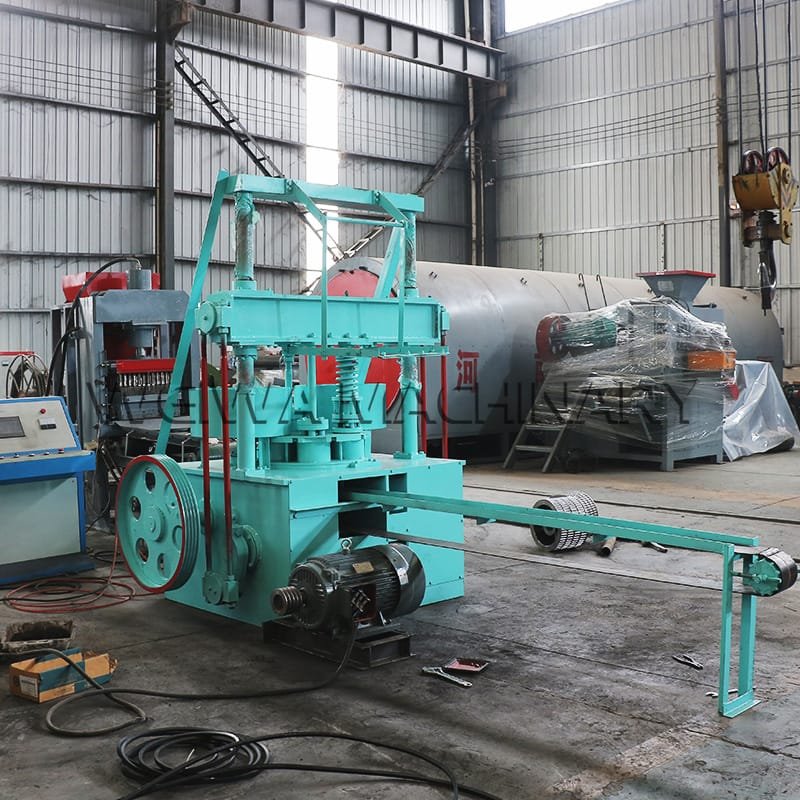
Conducting a live demonstration in the heart of The Niger offered us a valuable opportunity to observe real-world functionality. The setup occurred in an open yard adjacent to the client’s processing facility, allowing adequate ventilation and natural lighting — critical elements for operating a charcoal making machine efficiently and safely.
Our technical team began by feeding processed raw material into the hopper of the charcoal press machine. The material had been sun-dried and pulverized to meet optimal moisture and granule size requirements. Thanks to the intuitive design of our system, even operators new to briquette machinery found the feeding process straightforward.
As the motor powered up, the pressing chamber engaged, extruding compacted briquettes through a die with hexagonal holes. Each briquette exhibited the classic honeycomb pattern — a signature of our machine’s consistent pressure application and thermal stability mechanisms.
What set our machine apart during this trial was its ability to maintain uniform density across long production runs. Unlike lower-end models that tend to taper off in output quality over time, our charcoal briquette machine held steady compression force, ensuring each briquette met quality benchmarks.
Highlighting the Science inside the Charcoal Making Process
To appreciate the performance witnessed during the Niger trial, it’s important to understand what happens inside a high-grade charcoal making machine. The process begins with raw biomass being carbonized to remove volatile compounds, leaving behind carbon-rich char. This char is then ground into fine powder and mixed with a natural binder if needed.
When fed into the charcoal press machine, two crucial actions occur: compaction and shaping. Hydraulic or mechanical presses exert immense pressure to fuse particles together without the need for chemical additives. The hexagonal mold not only provides structural integrity but also increases surface area for better oxygen access during combustion.
Our Honeycomb Briquette Charcoal Machine operates with adjustable dies, enabling customization of briquette diameter and length. This flexibility empowers clients in The Niger to align output with local market preferences or specific industrial applications.
Energy efficiency is another cornerstone of our design. By minimizing power consumption per briquette and reducing material waste, we ensure that operations remain cost-effective — a vital factor for startups and small-scale producers aiming to scale sustainably.
Trial Results and Sample Showcase A Resounding Success
Perhaps the most exciting part of the day was examining the freshly produced briquettes. We collected samples immediately after extrusion and allowed them to dry under ambient conditions. 数小时内, the briquettes hardened further, signaling excellent lignin activation and compression success.
Clients were particularly impressed by three factors:
- Density and Weight Consistency: Each briquette weighed approximately the same, indicating stable hydraulic pressure and smooth operation throughout the cycle.
- Surface Finish and Shape Retention: The hexagonal edges were sharp and symmetrical, demonstrating the durability of the die and precision of the press mechanism.
- Combustion Potential: Preliminary ignition tests revealed a steady flame with minimal sparking or ash fallout — traits highly desirable in residential cooking environments.
These physical attributes directly translate into commercial value. Buyers in urban centers across The Niger increasingly seek standardized briquettes that fit common stoves and chulhas. Our machine delivers exactly that, bridging the gap between artisanal production and semi-industrial scalability.
而且, feedback from local operators highlighted the ergonomic advantages of our design. The control panel is user-friendly, switches are clearly labeled, and maintenance points are easily accessible — reducing downtime and training overhead.
Empowering Local Communities Through Technology Transfer
Beyond delivering a piece of equipment, Weiwa Machinery views every installation as a chance to uplift communities. 庭审期间, we organized hands-on sessions for local technicians, explaining routine maintenance procedures, troubleshooting basics, 和安全协议. We believe that knowledge transfer is essential for long-term operational success, especially in regions embracing mechanization for the first time.
Our team also discussed strategies for sourcing and pre-processing raw materials to maximize yield and minimize wear on the charcoal briquette machine. 例如, maintaining moisture content below 10% ensures smoother feeding and prevents clogging — a common issue in humid climates like that of The Niger.
此外, we explored business models suitable for cooperative ownership structures prevalent in rural Niger. By pooling resources, multiple families or villages can jointly invest in a Honeycomb Briquette Charcoal Machine and distribute profits equitably.
Why The Niger Is Poised for Growth in Charcoal Briquette Production?
Several macroeconomic and environmental trends position The Niger as a fertile ground for scaling briquette enterprises. Rapid urbanization has increased demand for clean cooking alternatives, while government initiatives aim to curb deforestation caused by traditional wood charcoal harvesting.
此外, international NGOs and development agencies are actively seeking partnerships with equipment manufacturers who prioritize affordability and after-sales support. 在Weiwa机械, we align closely with these goals by offering competitive pricing, extended warranties, and responsive service teams familiar with African operating conditions.
Our presence in the region goes beyond sales. We see ourselves as enablers of green innovation — helping turn agricultural waste into economic opportunity while mitigating climate risks associated with unsustainable fuel practices.
Optimizing Operations Post-Trial Recommendations from Our Engineers
Following the successful trial, our engineers compiled a list of best practices tailored to the client’s context in The Niger. These include:
- Regular lubrication of moving parts to prevent dust ingress and prolong component life.
- Monthly inspections of hydraulic lines to detect early signs of wear.
- Use of locally available lubricants compatible with temperature extremes.
- Implementation of a daily cleaning routine to avoid buildup of fines within the pressing chamber.
We also recommended integrating a simple solar dryer to accelerate post-production hardening of briquettes, thereby shortening turnaround time between batches.
By adhering to these guidelines, clients can expect enhanced machine longevity and uninterrupted production cycles — critical metrics for building investor confidence and securing financing.
Exploring Future Collaborations and Expansion Plans
The overwhelmingly positive response from our Niger client has opened doors for broader collaboration. Discussions are underway to explore bulk procurement agreements and localized assembly options that could reduce costs and lead times.
We envision establishing a regional service hub capable of supporting neighboring countries such as Burkina Faso, 马里, and Chad — all sharing similar biomass profiles and energy challenges. Such a network would allow us to respond faster to technical issues and deliver training programs at scale.
In parallel, we are investing in R&D to enhance automation features of our charcoal making machine, including digital monitoring systems that track production rates, power usage, and maintenance alerts remotely. These innovations will empower clients in The Niger to make data-driven decisions and optimize profitability.
Final Thoughts on the Impact of Reliable Briquette Machinery
Bringing our Honeycomb Briquette Charcoal Machine to The Niger was more than just a product demonstration; it was a reaffirmation of our mission to engineer solutions that matter. Witnessing local entrepreneurs transform raw biomass into clean-burning fuel underscored the transformative power of technology when paired with vision and commitment.
As global attention shifts toward circular economy models, machines like ours will play a central role in closing the loop between waste and resource. We extend our gratitude to our Niger partners for their warm hospitality and trust, and we look forward to growing together in the journey toward sustainable energy independence.
For more information about our charcoal press machine and global projects, 访问我们的产品页面:
关于 WEIWA机械
Weiwa Machinery is a leading manufacturer and exporter of charcoal production equipment, specializing in Honeycomb Briquette Charcoal Machines, 木炭压球机, 木炭制造机, and Charcoal Press Machines. With decades of experience and a customer-centric approach, we provide turnkey solutions tailored to the unique needs of clients in emerging markets worldwide. 我们对质量的承诺, 创新, and service excellence has earned us a trusted reputation across Africa, 东南亚, 和拉丁美洲. Whether you’re a startup looking to enter the biomass energy sector or an established producer seeking to expand capacity, 威瓦机械随时准备为您的旅程提供支持.


 微信
微信

 +8615937143060
