


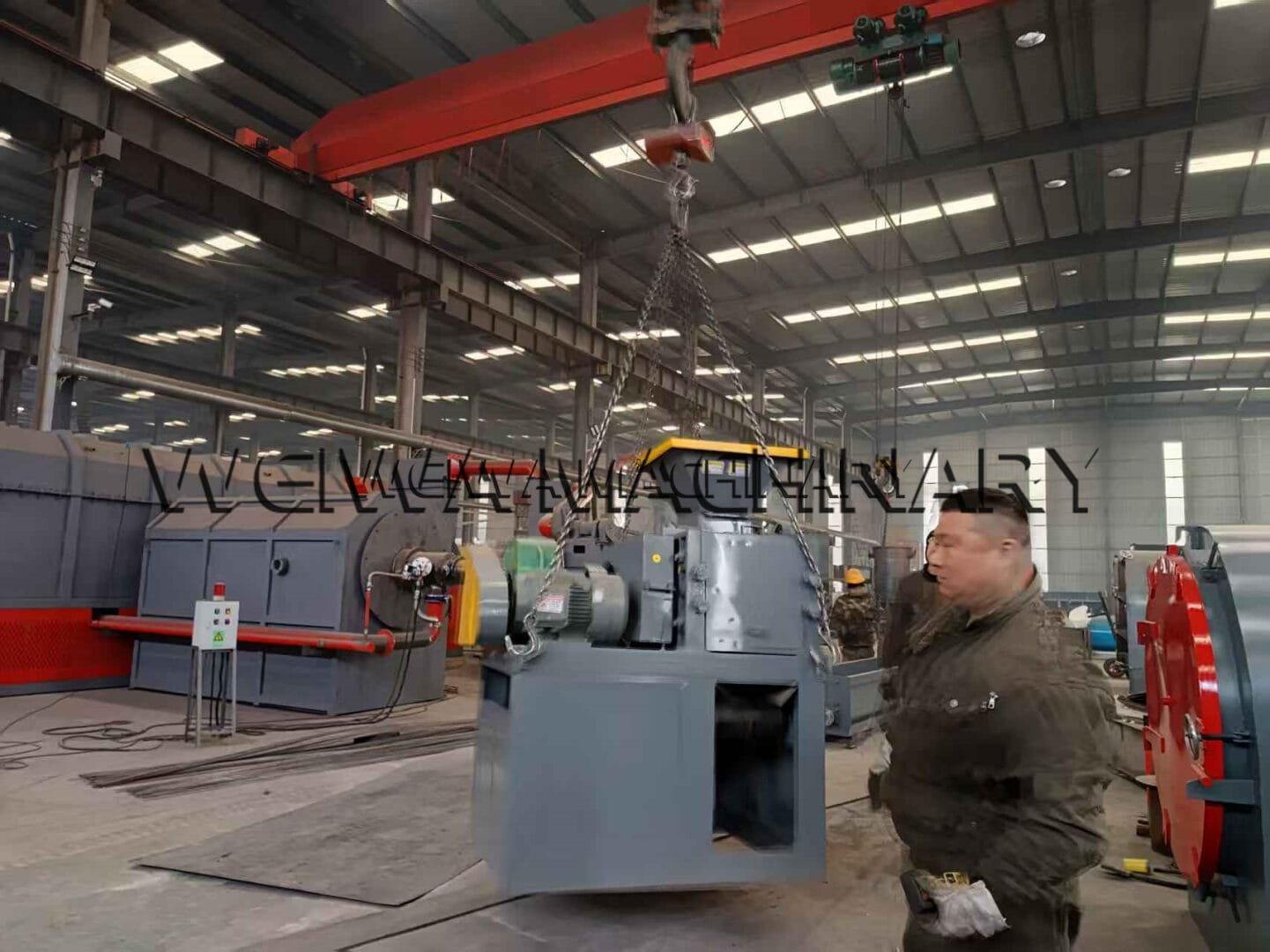
Why South Africa Is a Strong Market for the 球木炭煤球机?
South Africa combines three conditions that make a ball charcoal briquettes machine commercially attractive. The country has a deep braai culture where grilled meat is not a weekend option but a social institution. Urban retail and township convenience stores increasingly prefer bagged uniform fuel over messy lump charcoal. Timber, sugarcane, 林业, and coal-related industries also generate large volumes of powder waste that has almost zero resale value unless recompressed into shaped fuel.
When lump charcoal is crushed, screened, mixed with a small percentage of starch binder, and pressed through a charcoal ball press machine, the output becomes round or pillow-shaped balls with higher bulk density, cleaner handling, 更长的燃烧时间, and lower transportation loss. For a South African buyer, this conversion turns workshop dust into a branded retail product or a reusable industrial heating medium.
Braai Culture and Retail Demand for Uniform Charcoal Balls
In Gauteng, KwaZulu-Natal, the Western Cape, and Free State, distributors repeatedly tell us the same story. Their customers want charcoal that lights faster, 少抽烟, and fits neatly into a 5 kg or 10 kg paper bag. Irregular lump charcoal breaks during filling, creates fines at the bottom of the bag, and burns unevenly in a kettle grill. Spherical or oval balls produced by a ball charcoal briquettes machine solve this because diameter, 形状, and hardness are controlled by the roller pocket design. Weiwa routinely produces 25 毫米, 30 毫米, 40 毫米, 和 50 mm ball molds for African clients. For the South African braai segment, 30 到 40 mm oval balls are the most requested because they balance fill rate, 空气流动, and burn duration.
Industrial Waste Recycling with a Charcoal Ball Press Machine
Beyond household barbecue, several South African brick makers, metal workshops, and coal handling yards stockpile fine powder that fails to meet resale specifications. A charcoal ball press machine is not limited to charcoal dust alone. The same roller press can shape coal fines, coke breeze, carbon black, 木屑炭, bagasse char, and even certain mineral powders when the roller pressure and binder recipe are adjusted. By installing a charcoal briquette machine line next to an existing workshop, a South African factory can recycle its own dust into auxiliary boiler fuel or sell shaped balls to nearby plants. This circular model reduces landfill fees, lowers procurement of expensive lump fuel, and improves environmental compliance reporting.
Market Data and Import Logic for Making Charcoal Balls in South Africa
Industry forecasts cited across machinery and energy trade media suggest the South African charcoal briquette segment will keep growing through the next decade, supported by low-cost biomass residues, rising LPG and electricity costs, and formal retail chains that prefer standardized SKUs. Importers no longer ask only for a single charcoal briquette machine. They ask for a full line, 调试支持, 和备用滚轮套. That is exactly the scope Weiwa delivered in this latest order.
What a Ball Charcoal Briquettes Machine Actually Does?
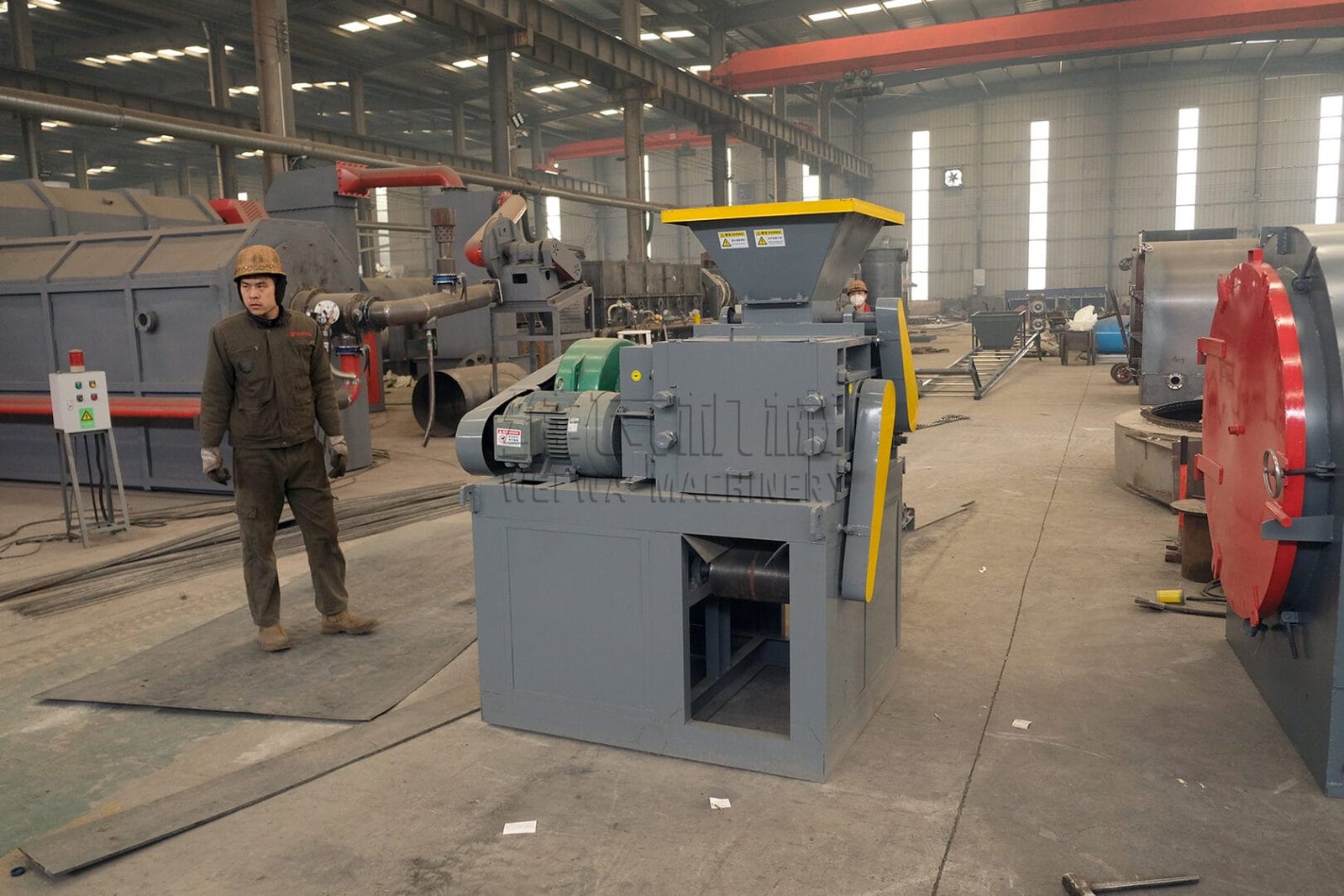
A ball charcoal briquettes machine is a type of double roller press. Two alloy rollers rotate in opposite directions. Each roller carries half-spherical or half-oval pockets. Charcoal powder with correct moisture and binder enters a forced feeder, is pre-compressed by a screw, and falls between the rollers. At the nip point, pressure rises sharply and the powder consolidates into a dense ball. As the rollers continue rotating, the formed ball exits the pocket and drops onto a discharge conveyor.
The quality of the ball depends on four variables. Particle size must be uniform, 通常以下 3 毫米. Moisture must sit in the 8 到 12 percent range. Binder distribution must be even. Roller pressure must match the raw material. A charcoal ball press machine is simple in concept but demanding in calibration. That is why our South African client received not only the press but also a crushing and mixing sequence tuned for their local charcoal fines.
Roller Press Versus Screw Extruder in Charcoal Briquette Machine Lines
Many first-time buyers confuse a charcoal briquette machine with a screw extruder. A screw machine pushes paste through a die and cuts it into sticks. A roller press compresses dry-conditioned powder into discrete balls. For making charcoal balls in South Africa where retail bags demand round or oval pieces, the roller type ball charcoal briquettes machine is the standard choice. It gives higher density, lower power consumption per ton, and faster mold changeover when the client wants to switch from 30 mm balls to pillow shapes.
Anatomy of a Complete Line for Making Charcoal Balls in South Africa
A single charcoal ball press machine cannot deliver optimal results without upstream and downstream support. The South African order shipped by Weiwa included a hammer crusher, twin-shaft mixer, 粘合剂定量装置, bucket elevators, vibrating screen, the ball charcoal briquettes machine itself, 网带式干燥机, cooling section, and a semi-automatic weighing packing machine. Below we explain each stage in narrative form so a new investor can visualize the material flow.
Stage One Crushing and Sieving Charcoal Lumps
Oversized charcoal lumps are reduced by a hammer crusher and passed through vibrating screens to ensure uniform fineness. Inconsistent particle size leads to poor binder absorption and weak balls from the ball charcoal briquettes machine. For the South African client, we set the screen mesh so the majority of powder stayed under 2 毫米, with a small fraction at 2 到 3 mm to fill roller pockets without trapping air.
Stage Two Twin Shaft Mixing and Binder Conditioning
The powdered material is conveyed into a twin-shaft mixer where a predetermined percentage of water and binder is blended thoroughly. Common binders in African projects include cassava starch, corn starch, 糖蜜, bentonite clay, or a combination. Even distribution of moisture and binder is crucial before the material enters the charcoal briquette machine. If the mix is too dry, balls crumble. 如果太湿, they stick to molds or require excessive drying energy. Weiwa includes a binder dosing tank so the operator can repeat the recipe batch after batch.
Stage Three Pressing with the Charcoal Ball Press Machine
The conditioned mixture drops from the mixer into a storage hopper equipped with a variable-speed screw feeder that regulates material flow into the charcoal ball press machine. 里面, the dual rollers compress the feed into balls of standard diameters such as thirty, forty, or fifty millimeters. Weiwa charcoal briquette machine rollers can be custom-engraved for oval, 枕头, 正方形, or logo-embedded shapes per customer request. Hydraulic pressure adjustment protects the rollers from overload when feed consistency changes, which often happens in real South African workshops where charcoal fines arrive from multiple suppliers.
Stage Four Drying Freshly Pressed Charcoal Balls
Freshly pressed balls still contain residual moisture and are relatively fragile. A mesh belt dryer removes surface and internal moisture gradually at controlled temperatures, normally below three hundred degrees Celsius, to avoid cracking. Well-dried briquettes from a ball charcoal briquettes machine exhibit high compressive strength, 灰分含量低, and extended burn duration compared to loose charcoal powder. Some smaller South African startups ask about sun drying. We do not forbid it, but for export-grade 10 kg retail bags, mechanical drying is the only way to guarantee moisture below 5 percent regardless of weather.
Stage Five Cooling Screening and Packaging
干燥后, a vibrating screen removes broken pieces or undersized charcoal balls. The qualified balls move to a cooling conveyor, then to a weighing and sewing machine that fills paper or PP woven bags. Retail-ready making charcoal balls in South Africa means consistent bag weight, clean exterior, and lot traceability. Weiwa integrates the packing unit into the same control cabinet so one operator can monitor press pressure, dryer temperature, and bag count from a single screen.
Technical Features of the Weiwa Ball Charcoal Briquettes Machine
The unit shipped to South Africa was our heavy-duty roller press with reinforced alloy steel rollers. The roller sleeves are carburized and quenched, then machined with CNC pocket engraving. The main frame uses thickened channel steel to absorb vibration during continuous operation. A spring and hydraulic combo allows the operator to fine-tune roller gap according to feedstock characteristics, an important flexibility when making charcoal balls in South Africa from varying raw material blends such as sawdust char versus coconut shell char.
The forced screw feeder prevents bridging in the hopper and guarantees steady material flow, which is essential when making charcoal balls with varying particle size distribution. The electric control cabinet integrates overload protection and emergency stop functions labeled in English. Spare roller sleeves, binder formulation guidance, and foundation drawings are included with every charcoal briquette machine export order.
Quick Roller Changeover for Multiple Ball Shapes
South African clients often start with 35 mm oval balls for braai shops, then receive inquiries from shisha lounges or industrial boilers. Rather than buy a second charcoal ball press machine, they swap the roller sleeves. Weiwa designs the shaft and bearing seat so a two-person team can complete a sleeve change in under half a day. This protects the buyer from market shifts and lets one charcoal briquette machine serve three product lines.
Site Layout and Foundation Planning Before Container Arrival
One mistake we frequently correct is waiting until equipment arrives before preparing the floor. A ball charcoal briquettes machine line needs a straight material flow: crusher at the raw side, 搅拌机在中间, press at the core, dryer after press, packing at the end. Weiwa provides complete layout drawings so that customers planning making charcoal balls in South Africa can prepare foundations, 电源, and material flow paths before equipment arrival.
对于最近的项目, our engineer shared a CAD drawing showing concrete pedestal heights, cable tray routes, and maintenance clearance around the mesh belt dryer. The client poured the foundations in Johannesburg while the containers were still at sea. When the line arrived, installation took eleven working days instead of the usual twenty.
Common Raw Materials for Charcoal Ball Press Machine Projects in SA
South Africa offers more than wood charcoal. Forestry offcuts, sawmill dust, sugarcane bagasse char, macadamia shell char, and even coal fines from handling yards can enter the same charcoal briquette machine after proper crushing and binder testing. The ball charcoal briquettes machine does not care whether the carbon comes from hardwood or agricultural residue, as long as the powder is dry, fine, and conditioned.
We advise new clients to send us a 5 kg sample of their local powder before production. Weiwa runs a bench-scale roller test, measures green ball strength, and recommends a binder ratio. This step removed guesswork for the South African buyer and prevented a costly wrong order on roller pocket size.
Investment Logic for Making Charcoal Balls in South Africa
一个 1 到 2 ton per hour charcoal ball press machine line is the entry configuration for most provincial distributors. It fits inside a 300 到 500 square meter warehouse, needs one 380V supply, and can be run by three shifts of local labor. The payback is rarely about inventing a new product. It is about taking charcoal fines that today have negative value, adding a cheap binder, and selling uniform balls at a retail premium over imported lump charcoal.
When the same line also absorbs coal dust from a neighboring yard, the raw material cost drops further. Several Weiwa clients in Africa run the charcoal briquette machine six days a week and close Sunday for roller inspection. That rhythm suits South African labor patterns and still leaves room for export orders to Botswana, 莫桑比克, or Namibia.
Commissioning and After-Sales Support from Weiwa Machinery
Shipping a ball charcoal briquettes machine is only half the contract. The South African client received an English manual, a spare parts list mapped to roller wear rate, and a WhatsApp channel for remote commissioning. During the first run, our engineer watched the dryer outlet temperature via photos and asked the local electrician to raise the mesh belt speed by 8 百分比. Breakage dropped from 6 percent to below 2 百分比.
Weiwa Machinery has more than thirty years of experience in manufacturing briquette and carbonization equipment. Our professional after-sales team provides consultation, remote commissioning guidance, and on-site technician dispatch when necessary. For export lines we supply electrical diagrams tailored to local voltage, preventive maintenance schedules, and custom roller sleeves stocked in advance.
Customization Options for the Charcoal Briquette Machine Buyer
没有两个工厂是相同的. One South African client wanted a 40 mm oval with a small Weiwa-style dimple for brand recognition. Another wanted square pillows for industrial boilers. Both were solved by changing only the roller sleeve, not the base machine. We also customize feeder size, dryer length, packing weight, and control panel language. When a buyer plans making charcoal balls in South Africa with future export to the Middle East, we add a second screen deck and a metal detector before packing.
Why the Ball Charcoal Briquettes Machine Fits the South African Energy Shift?
South Africa faces volatile electricity pricing and growing pressure to cut open burning of wet wood. Machine-made charcoal balls burn cleaner, store longer, and ship without generating fines that choke stoves. A charcoal ball press machine converts a low-value powder into a product that supermarkets, braai chains, and hospitality groups can standardize. For an entrepreneur, this is a rare case where environmental logic and profit logic point the same direction.
The latest Weiwa shipment proves the trend. The buyer did not ask for a toy machine. He asked for a synchronized line, 布局图, spare sleeves, and a binder recipe. That is the profile of an industrial investor, not a backyard experimenter. Making charcoal balls in South Africa is moving from informal production to organized manufacturing, and the ball charcoal briquettes machine is the tool making that jump possible.
关于 WEIWA机械
Weiwa Machinery has over thirty years of working experience in the briquette and pressing equipment industry. We design and manufacture the ball charcoal briquettes machine, 木炭压球机, coal press, mineral powder press, 压碎机, 搅拌机, 网带式干燥机, 以及完整的生产线. Our professional after-sales team supports international clients with remote commissioning, 备件供应, and on-site service when required.
We offer customization and design drawing services for factory layout, power planning, and material flow. If you are evaluating making charcoal balls in South Africa or anywhere in Africa, our engineers can review your raw material sample, propose a line configuration, and send a site plan before you place an order. We welcome factory visits and direct technical discussion.
联系Weiwa机械
暴民: +8613838093177
WhatsApp: +8613838093177
电子邮件: info@cjlmachinegroup.com
Whether you need one charcoal briquette machine or a 3 ton per hour turnkey plant, Weiwa builds the line, draws the layout, trains your operator, and stays reachable after commissioning. That is how we have served more than 2 百万客户 130 国家, and that is the support behind every ball charcoal briquettes machine leaving our workshop for South Africa.


 微信
微信

 +8615937143060
