


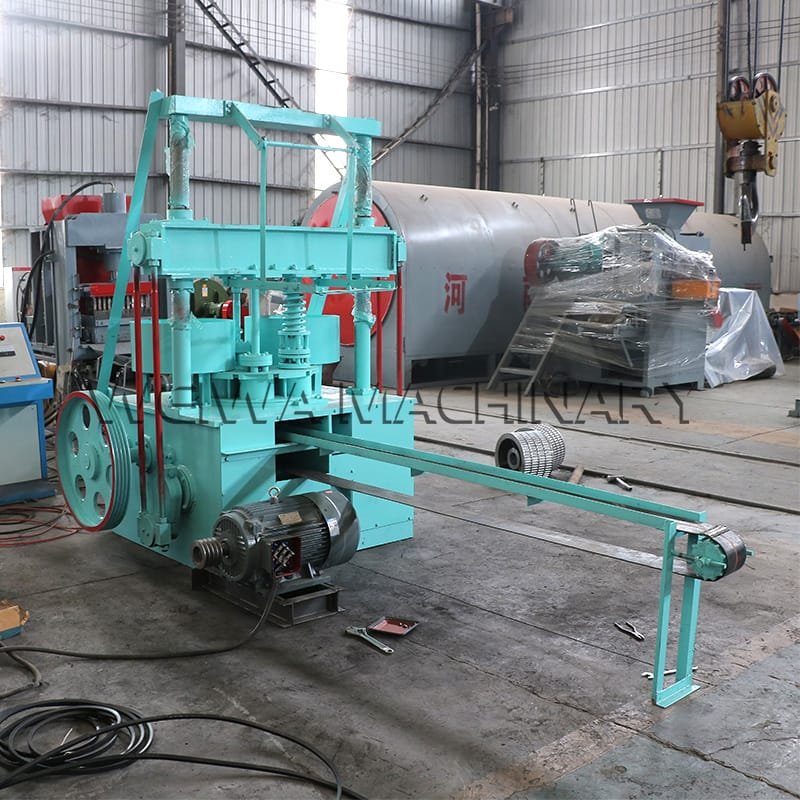
In the heart of Southeast Asia where biomass energy demand is surging Vietnam stands as a dynamic market for clean fuel solutions. At Weiwa Machinery we believe technology thrives when it meets real world needs which is why our recent trial of the honeycomb briquette charcoal machine for a valued Vietnam client was more than a demonstration it was a bridge between innovation and local livelihood.
Hiểu biết về Honeycomb Briquette Charcoal Machine A Fuel Revolution in Compact Form
Before diving into the trial let’s demystify the honeycomb briquette charcoal machine. Unlike traditional lump charcoal or irregular briquettes this machine crafts uniform blocks with a distinct hexagonal honeycomb core. The design is no accident each hole increases surface area allowing oxygen to penetrate evenly during combustion reducing smoke and boosting heat efficiency. For households small industries or even rural communities relying on affordable clean fuel this structure is a game changer.
The honeycomb briquette charcoal machine operates on a simple yet precise principle raw material such as coconut shell charcoal sawdust or coal fines is fed into a hopper compressed under high pressure and punched into shape by a rotating drum or fixed mold. What sets modern machines apart is their ability to control density moisture content and size ensuring consistent quality batch after batch. In Vietnam where agricultural waste like rice husks and coconut shells is abundant this machine turns byproducts into profit turning low value residues into high demand fuel.
Why Vietnam Needs the Honeycomb Charcoal Coal Briquette Forming Machine
Vietnam’s energy landscape is evolving. With rising awareness of deforestation and indoor air pollution from traditional wood charcoal the government and private sector are pushing for sustainable alternatives. The honeycomb charcoal coal briquette forming machine aligns perfectly with this shift. It uses locally available materials reducing reliance on imported coal while cutting carbon emissions. Small scale producers can set up micro factories in villages creating jobs and lowering transportation costs for end users. For urban households the compact briquettes burn longer and cleaner than wood making cooking safer and cheaper. This dual benefit of environmental impact and economic viability explains why Vietnamese clients increasingly seek reliable honeycomb punching machines that balance affordability and performance.
Behind the Scenes Our Trial with the Vietnam Client
When our Vietnam client reached out they had clear expectations test the honeycomb briquette charcoal machine they specified ensure it handles local coconut shell charcoal and produce samples for market feedback. At Weiwa Machinery we don’t just sell machines we co create solutions so we tailored the trial to mirror their production environment.
Pre Trial Preparation Aligning Machine to Local Materials
Coconut shell charcoal is dense and fibrous posing a challenge for compression. Our team analyzed the client’s raw material testing moisture levels particle size and ash content. We adjusted the machine’s pressure settings and pre processing guidelines to prevent clogging and ensure smooth feeding. The client provided 500kg of dried coconut shell charcoal and we brought our flagship honeycomb briquette charcoal machine model WW HC 800 known for its versatility with mixed biomass and coal fines.
The Trial Day Precision in Motion
On site technicians from Weiwa Machinery guided the client’s operators through startup procedures. Within minutes the machine hummed to life feeding charcoal powder into the compression chamber. The punching mechanism worked with rhythmic precision each cycle producing a briquette in under three seconds. We monitored key metrics in real time pressure stability briquette density and defect rates. To the client’s delight the first batch of 100 briquettes showed zero cracks uniform hole patterns and a density of 1.2g/cm³ ideal for slow burning.
What impressed the client most was adaptability. When we tested a mix of 70% coconut shell charcoal and 30% coal fines the machine maintained consistency proving it can handle blended fuels a common practice in Vietnam to lower costs. Operators noted the intuitive control panel simplified adjustments for different recipes a critical feature for small teams without engineering expertise.
Sample Showcase Quality That Speaks Volumes
Samples from the trial became the highlight of our visit. We presented the client with three types of briquettes each labeled with production parameters for transparency.
The first sample was pure coconut shell charcoal briquettes measuring 100mm in diameter with 12 hexagonal holes. When lit it burned steadily for 120 minutes with minimal sparks and a faint nutty aroma. The client’s team tested it in a traditional clay stove and reported it heated a pot of water 30% faster than their usual wood charcoal.
The second sample blended coconut shell charcoal with rice husk powder. Though slightly lighter in density it burned longer due to the rice husk’s silica content acting as a natural binder. This opened a conversation about customizing blends for specific use cases like grilling versus indoor cooking.
The third sample used coal fines a byproduct from local coal washing plants. Mixed with 10% starch binder the briquettes were denser and suited for industrial stoves. The client saw potential here for supplying small restaurants and brick kilns.
Each sample came with a data sheet detailing calorific value ash content and combustion duration. This level of detail builds trust showing the client we prioritize measurable results over empty promises.
The Science Behind Consistent Quality How the Machine Works

To appreciate the honeycomb briquette charcoal machine’s reliability let’s break down its core components. The feed system uses a screw conveyor to regulate material flow preventing overload. The compression unit features hardened steel rollers that apply uniform pressure crucial for avoiding weak spots. The punching die a removable component determines the briquette’s size and hole pattern. At Weiwa Machinery we use CNC machined dies to ensure micron level precision so every hole is identical enhancing combustion uniformity.
Temperature control is another unsung hero. During compression friction generates heat if unmanaged it can scorch the briquette or jam the machine. Our model integrates a cooling fan and temperature sensor maintaining optimal operating conditions even in Vietnam’s humid climate. For clients worried about maintenance we designed the machine with easily accessible parts; changing a die takes under 15 minutes reducing downtime.
Addressing Common Concerns About Coal Briquettes Making Machines
Clients often ask Is coconut shell charcoal too hard for this machine? The answer lies in pre processing. Grinding the charcoal to 2 4mm particles and drying it to below 10% moisture ensures smooth compression. Another question How long do briquettes last? Our tests show well made honeycomb briquettes burn 1.5 ĐẾN 2 times longer than wood charcoal depending on blend. And for those concerned about emissions independent lab reports confirm these briquettes emit 60% less particulate matter than traditional fuels.
Beyond the Trial Building Partnerships in Vietnam
The trial ended with the client placing an order and requesting training for their team. But for us it marked the start of a partnership. We discussed future support including spare parts availability local technician training and R&D collaboration to develop region specific blends. In Vietnam we’ve seen how empowering small producers with the right honeycomb punching machine can spark community led sustainability. One village cooperative we worked with now supplies briquettes to 50 households cutting their monthly fuel costs by 40%. Stories like this drive our mission at Weiwa Machinery to make advanced machinery accessible and practical.
Về Máy móc Weiwa
Founded in 1990 Weiwa Machinery has grown into a global leader in biomass and charcoal processing equipment. Headquartered in China we operate with a simple philosophy technology should solve real problems. Our product line includes honeycomb briquette charcoal machines honeycomb charcoal coal briquette forming machines coal briquettes making machines and specialized honeycomb punching machines all engineered for durability ease of use and adaptability to local materials. With offices in Southeast Asia and Africa and a network of certified technicians we provide end to end support from consultation to after sales service. For us every client whether a small workshop or a large enterprise is a partner in building a cleaner more efficient world.
This trial in Vietnam wasn’t just about proving a machine’s capability it was about proving our commitment to understanding and meeting local needs. As the demand for sustainable fuel grows Weiwa Machinery will continue innovating ensuring our honeycomb briquette charcoal machines empower businesses and communities worldwide.


 WeChat

 +8615937143060
