


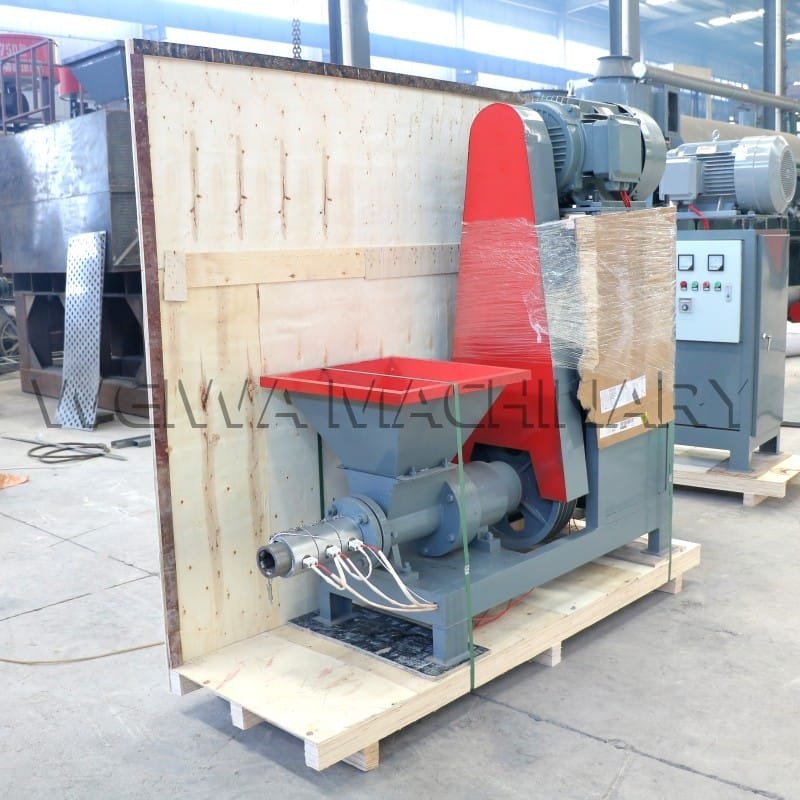
The global quest for sustainable, renewable, and cost-effective energy solutions is finding powerful answers in the most unexpected places. In nations like Mozambique, blessed with abundant forestry and agricultural resources, the challenge lies not in a lack of raw materials, but in transforming this biomass from waste into wealth. This transformation is precisely what we at Máy móc Weiwa empower. On a recent visit to a client’s operational site in Mozambique, we witnessed firsthand the remarkable impact and efficient performance of our Sawdust Briquette Machine—a cornerstone in the local Máy làm than ecosystem.
Understanding the Market of Mozambique
Mozambique possesses vast tracts of forests and a thriving agricultural sector, generating significant volumes of biomass residues such as sawdust, Chip gỗ, trấu gạo, and various crop stalks. Theo truyền thống, much of this material is either left to decompose, openly burned, or underutilized. Concurrently, there is a consistent and growing demand for domestic and industrial fuel. Conventional charcoal production methods are often rudimentary, inefficient, and environmentally detrimental, leading to deforestation and high levels of pollution.
This gap between abundant biomass waste and the demand for clean fuel presents a critical opportunity. The solution lies in modern briquetting technology, which compresses this waste into high-density, high-calorific-value solid fuels. Các Sawdust Extruder Machine has emerged as a pivotal piece of equipment in this value chain. For entrepreneurs and businesses in Mozambique, investing in a reliable sawdust extruder machine for sale is not just a purchase; it’s a step towards building a sustainable, profitable, and eco-friendly enterprise.
A Deep Dive into The Sawdust Briquette Extruder
Before we step onto the client site, it’s essential to understand the core technology driving this change. Của chúng tôi Sawdust Extruder Machine is the main equipment designed to produce stick-shaped solid fuel from a wide variety of biomass.

The Core Mechanism: High-Pressure Agglomeration
The machine operates on a screw extrusion principle. A large, hardened steel screw rotates within a heated compression chamber, known as the die. Dried and crushed biomass raw material—with a particle size under 5mm and moisture content below 12%—is fed into the machine. The screw forcefully compresses and pushes this material through the heated die. The combination of immense pressure (generated by the screw) and controlled high temperature (maintained by heating rings) plays a dual role.
The Natural Binder: Liberated Lignin
A key scientific principle underpins this process. Under the high pressure and temperature inside the machine, the natural lignin present within the wood or biomass fibers softens and flows. Lignin is a natural polymer. In this state, it acts as a perfect, 100% natural binding agent. It coats the biomass particles and, as the briquette is extruded and cools, it solidifies, permanently bonding the particles together into a solid, dense stick. This means no chemical additives, glues, or binders are required, making the final product pure and clean-burning.
The Final Product: Superior Biomass Briquettes
The solid fuel produced, often called “than bánh sinh khối” or “charcoal sticks” (trước khi cacbon hóa), boasts exceptional qualities. It is easy to ignite, has a calorific value over 20% higher than normal firewood, and burns with significantly less smoke and pollution. Its high density makes it economical to store and transport. Our machines can produce briquettes in various diameters (from 50mm to 80mm) and shapes—such as hollow hexagonal, hình tứ giác, or square—depending on the mold used, offering versatility for different market preferences.
On the Ground: A Client Site Visit in Mozambique
Visiting our client’s operation in Mozambique was a testament to practical application. The facility, set up to process local sawmill waste and agricultural residues, was a model of efficient, small-scale industrial conversion.
Site Setup and Raw Material Preparation
The client’s production line followed a logical and effective sequence, mirroring our recommended process. The first stage involved a grinder, which processed raw wood logs and chips into a uniform, small-particle-size material. The second, and arguably most crucial stage for the Mozambican climate, was the dryer. Given the often-high ambient humidity, ensuring the raw material moisture was consistently brought down to the optimal 8-12% range was critical for smooth extrusion and high briquette quality. The client had integrated a simple rotary dryer, which used the waste heat from the briquette carbonization process, showcasing smart, energy-efficient system design.
The Heart of the Operation: The Sawdust Extruder at Work
At the center of the activity was our Sawdust Briquette Machine. The unit, designed for continuous operation, was fed the prepared, dry sawdust. The distinct, low hum of the powerful motor and gearbox was a sound of productivity. Observing the machine’s operation highlighted its robust construction and user-friendly design, featuring a temperature adjusting indicator that allowed operators to maintain the optimal thermal setting for the specific biomass blend being used.
The moment of transformation was always impressive. From the feed hopper containing loose, fluffy sawdust, a continuous, solid rod of compressed biomass emerged from the die. The newly extruded briquette, still hot and pliable, was automatically cut to length on a conveyor. The client reported that the machine’s rational structure made routine maintenance straightforward, and the ease of operation meant they could train new personnel quickly—a significant advantage in the local context.
The Proof is in the Performance: Output and Quality Metrics
The on-site test run yielded concrete, positive results. The machine’s output matched its specified capacity, consistently producing high-density briquettes. The client was particularly satisfied with the low breakage rate of the finished sticks, which is essential for maintaining product value during handling and transport. The hollow hexagonal shape chosen by the client provided a larger surface area for efficient combustion, a feature their end-users appreciated. This successful sawdust extruder in Mozambique installation demonstrated the machine’s adaptability to local conditions and materials.
The Value Proposition: Why This Machine Fits the Mozambique Market
The success of this installation underscores several key advantages of our technology for the Mozambican and broader African market.
Turning Waste into Economic Opportunity
The most immediate benefit is economic. Sawdust and agro-waste, often a disposal headache, become a valuable feedstock. Entrepreneurs can build businesses around supplying clean fuel to households, Nhà hàng, bakeries, and small industries, creating jobs and circulating wealth within local communities.
Environmental Sustainability and Forest Conservation
By providing a viable and profitable alternative to illegal or unsustainable charcoal production from standing forests, biomass briquette technology is a tool for conservation. It reduces pressure on native woodlands, mitigates open burning of crop residues, and offers a cleaner-burning fuel that improves indoor air quality for households.
Energy Security and Independence
Localized production of fuel from local waste enhances energy security. It reduces dependence on imported fossil fuels or charcoal from distant regions, building resilience and keeping energy spending within the local economy.
Optimizing for the Future: Beyond the Briquette
While the briquette itself is an excellent fuel, the process can be extended for even higher value. The client in Mozambique was exploring the next step: cacbon hóa. The solid briquettes produced by the Người đùn cưa are the perfect feedstock for carbonization kilns. This process, done in a controlled, low-oxygen environment, converts the biomass briquettes into high-quality wood charcoal sticks. This charcoal commands a higher price in the market, is ideal for barbecue and metallurgical purposes, and is even more efficient to transport due to its reduced weight. Our visit included observing the carbonization setup, completing the cycle from sawdust to premium charcoal.
A Brief Introduction to Máy móc Weiwa
Tại Máy móc Weiwa, we are more than just manufacturers; we are partners in sustainable development. Specializing in biomass briquetting and related processing equipment for over years, we have dedicated ourselves to perfecting the technology of the Sawdust Extruder Machine and complete production lines. Our philosophy is built on three pillars: Robust Engineering, Practical Design, and Unwavering Customer Support.
We understand that every client’s raw material, capacity goal, and market is unique. That’s why we don’t just sell a standard machine; we design tailored production plans. Whether you are processing coffee husks, Vỏ đậu phộng, Bóng mía, or mixed sawdust, our engineers can configure a solution that maximizes your yield and return on investment. This client-centric approach has earned the trust of partners in more than 130 countries worldwide, from Southeast Asia to Africa, Eastern Europe to the Americas.
Our commitment to quality is evident in every weld, every gear, and every control panel. We use premium components to ensure our machines withstand the demands of continuous industrial operation. Hơn nữa, we stand behind our products with comprehensive technical support, detailed operational manuals, and ready availability of spare parts.
Ready to transform biomass into profit and contribute to a greener future? Whether you are in Mozambique or anywhere else in the world, we are here to help you build your successful biomass fuel business.
Contact us today for a free consultation and equipment design proposal:
E-mail: sales@cjlmachinegroup.com
Phone/WhatsApp: +86 18439853888
You are also welcome to visit our factory to see our machines in operation and discuss your project in person. Let’s build your sustainable success story together.


 WeChat

 +8615937143060
