


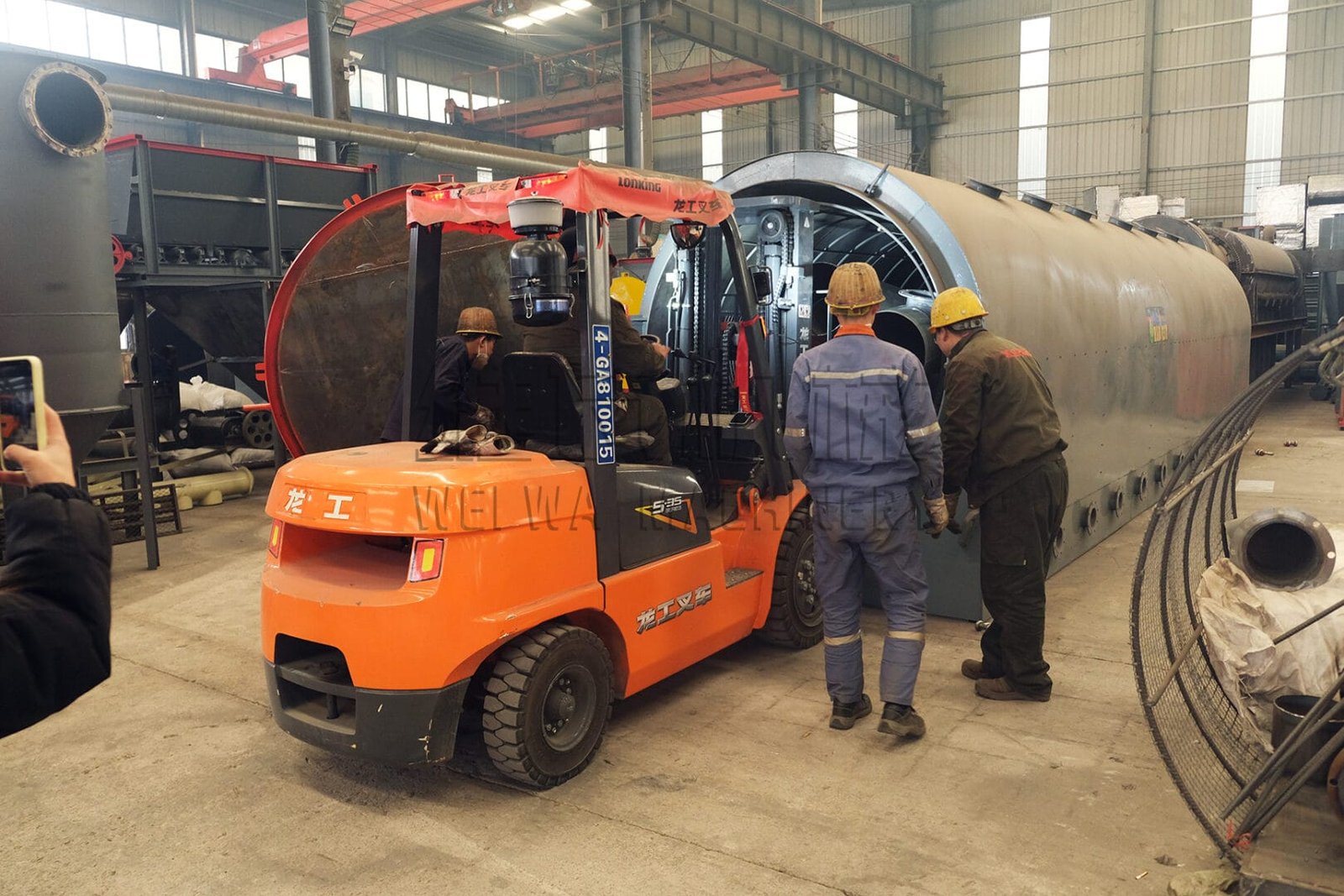
ในช่วงไม่กี่ปีที่ผ่านมา, the demand for sustainable and efficient charcoal production solutions has grown steadily across Southeast Asia. Among these markets, Vietnam stands out as a region where biomass utilization is not only an environmental necessity but also a thriving economic opportunity. ที่ Weiwa Machinery, we are proud to contribute to this transformation by delivering advanced equipment tailored to local needs. Our latest milestone—the shipment of a horizontal carbonization furnace to Vietnam—offers a perfect chance to share insights into this technology’s role in the Vietnamese market and the impressive results from its trial run.
The Growing Relevance of เตาเผาคาร์บอนแนวนอน in Vietnam
Vietnam’s agricultural and forestry sectors produce significant volumes of biomass waste, including rice husks, หอยมะพร้าว, ขี้เลื่อย, and wood chips. Converting this waste into high quality charcoal through pyrolysis addresses two urgent challenges: reducing open burning of agricultural residues and meeting rising domestic and export demand for clean energy products. Horizontal carbonization furnace emerges as a practical solution because it processes materials continuously, ensures uniform heating, and maximizes charcoal yield while minimizing emissions.
Understanding horizontal carbonization furnace in Vietnam requires looking at both technological fit and economic feasibility. Unlike batch kilns that depend on manual loading and cooling cycles, a horizontal carbonization furnace allows automated feeding and discharging, which aligns well with Vietnam’s push toward industrial scale and semi industrial charcoal operations. Its design supports longer retention time for raw materials inside the heated chamber, promoting thorough carbonization and consistent product quality. For small to medium enterprises aiming to upgrade from rudimentary methods, adopting horizontal carbonization furnace means better control over output specifications and reduced labor intensity.
นอกจากนี้, the horizontal carbonization furnace price for Vietnam is increasingly viewed through the lens of long term return on investment. When farmers and entrepreneurs calculate operational savings from faster throughput, lower fuel consumption, and higher charcoal grades, the initial expenditure becomes easier to justify. In provinces like Dong Nai, Binh Duong, and Ba Ria Vung Tau, where agro processing clusters exist, the integration of such furnaces into existing supply chains can create circular economy benefits.
Preparing the Shipment for Vietn
ที่ Weiwa Machinery, each international delivery begins with detailed consultation to match machine specifications with client expectations and site conditions. For this Vietnamese project, our engineering team reviewed the client’s raw material profile, daily processing targets, and available utilities such as electricity or gas supply. Based on this, we customized the horizontal carbonization furnace configuration to optimize thermal efficiency and ensure seamless integration with the client’s workflow.
The preparation phase also involved compliance checks for international transport and Vietnamese import regulations. We reinforced the furnace structure for safe shipping, applied protective coatings to prevent corrosion during transit, and arranged logistics in coordination with reliable freight partners. Seeing the horizontal carbonization furnace loaded onto the vessel bound for Vietnam was a moment of pride, knowing it would soon begin transforming local biomass into valuable charcoal.
Arrival and Installation in Vietnam
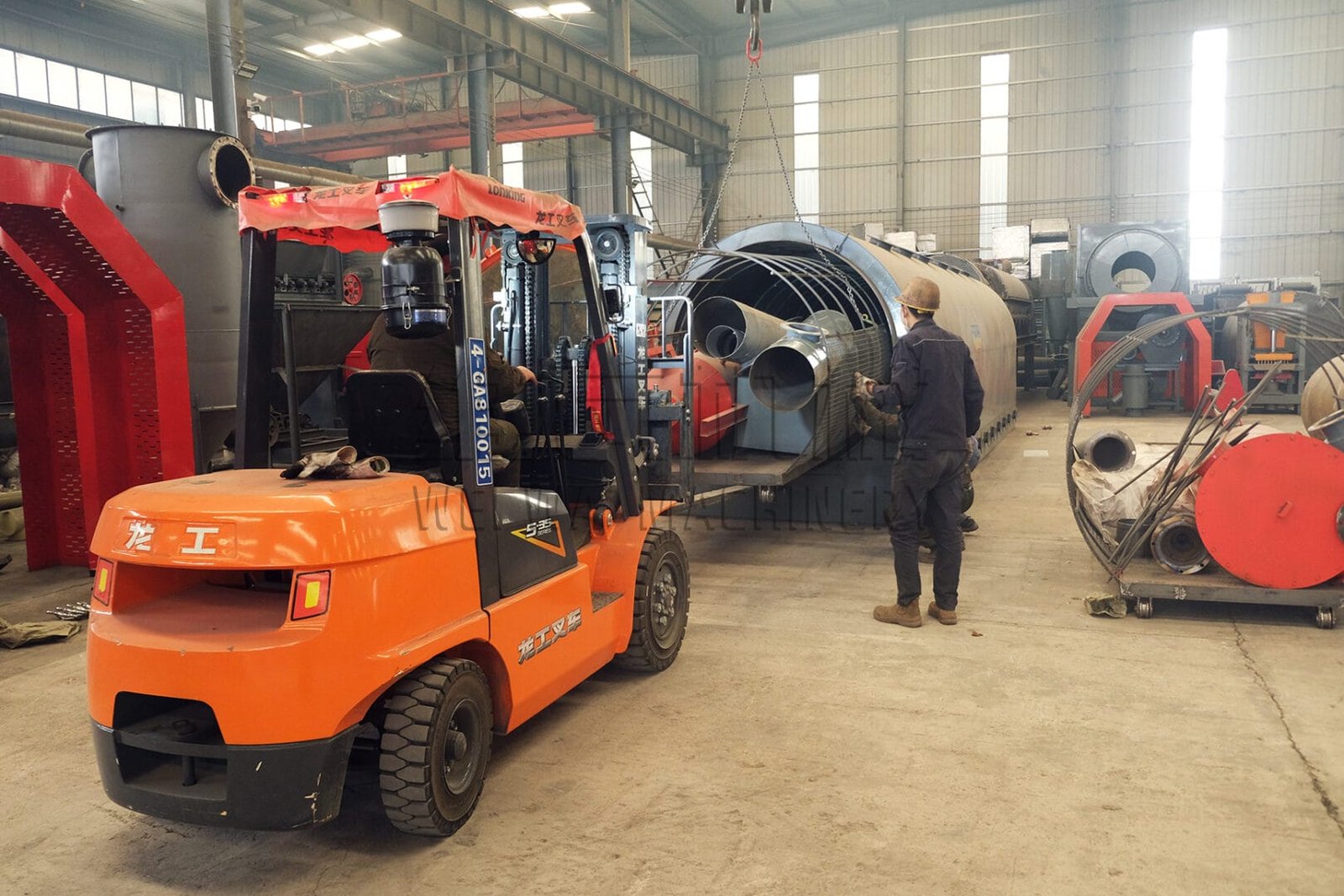
Upon arrival at the port in Ho Chi Minh City, the horizontal carbonization furnace underwent customs clearance and was transported to the client’s facility in the Mekong Delta region. Our after sales engineer traveled to Vietnam to supervise installation and provide hands on training. This step is vital because proper setup influences both safety and performance. The team ensured that the furnace’s horizontal chamber was leveled accurately, connected to exhaust and condensate systems, and tested for airtightness to maintain optimal carbonization conditions.
During installation, we took time to explain the working principles of horizontal carbonization furnace in Vietnam context. The furnace operates by moving feedstock slowly through a heated horizontal retort. Heat radiates from external burners or hot flue gases along the length of the chamber, driving off volatile matter and leaving behind fixed carbon. The continuous movement prevents localized overheating and promotes even charring. Operators learned how temperature zones could be adjusted to handle different raw materials, a flexibility highly relevant given Vietnam’s diverse biomass sources.
Trial Run Brings Impressive Results
The true test came with the trial operation. Using a mix of coconut shells and hardwood sawdust supplied by the client, we initiated the furnace under controlled parameters. Within the first hour, smoke extraction and condensate collection systems demonstrated effective capture of tar and combustible gases, which can be recycled to fire the system—an important feature for lowering running costs in Vietnam’s energy landscape.
Monitoring the process, we observed stable temperature profiles along the horizontal carbonization furnace length. Charcoal output emerged with a consistent metallic luster and low ash content, indicating high carbon conversion efficiency. The client measured yields exceeding baseline projections, a direct benefit of the furnace’s ability to retain heat and sustain carbonization without frequent stops. Feedback from workers highlighted ease of feeding and discharge mechanisms compared to older kiln models they had used.
One notable aspect of the trial was the minimal supervision required once steady state was reached. This characteristic suits Vietnam’s labor market dynamics, where skilled technicians may be spread thin across multiple production units. By reducing manual intervention, the horizontal carbonization furnace enhances productivity and reduces operator fatigue.
Understanding Horizontal Carbonization Furnace Price for Vietnam in Context
A common question from prospective buyers in Vietnam relates to horizontal carbonization furnace price for Vietnam and what factors shape it. Beyond base manufacturing costs, pricing reflects customization for local voltage standards, fuel compatibility, and automation levels. Transport and installation add to the initial figure, but these are one time investments offset by long term gains.
Weiwa Machinery adopts a transparent pricing approach, ensuring clients understand how features such as variable speed conveyors, advanced temperature controls, and energy recovery modules influence cost. In Vietnam, where energy tariffs vary between regions, selecting a furnace that can utilize cheaper fuels like biomass gas or recycled volatiles helps protect margins. We emphasize total cost of ownership rather than upfront price alone, guiding clients to choose configurations that match their cash flow and production goals.
For many Vietnamese businesses, financing options and government incentives for cleaner production also affect affordability. Demonstrating successful trials, as we did with this shipment, builds confidence among financiers and stakeholders. Seeing tangible results from horizontal carbonization furnace in Vietnam encourages wider adoption and spurs local innovation around biochar applications, including soil amendment and filtration media.
The Broader Impact on Vietnam’s Biomass Sector
Deploying horizontal carbonization furnace technology in Vietnam contributes to environmental protection by curbing uncontrolled burning of agricultural waste. It also fosters rural employment in charcoal production, packaging, and distribution. High quality charcoal finds markets domestically for cooking and industrial uses, and internationally where premium charcoal commands better prices.
Our experience shows that education plays a big role in maximizing benefits. ในระหว่างการพิจารณาคดี, we conducted sessions on best practices for feedstock preparation, moisture control, and maintenance routines. Properly dried feedstock improves furnace efficiency and prolongs refractory life—a crucial consideration in Vietnam’s humid climate. Clients who invest in drying infrastructure alongside the furnace achieve faster payback periods and more stable operations.
นอกจากนี้, the adaptability of horizontal carbonization furnace in Vietnam extends to hybrid systems. Some plants combine the furnace with briquetting units, turning loose charcoal into easy to handle briquettes that appeal to urban consumers. This vertical integration adds value and diversifies revenue streams, making the technology attractive beyond traditional charcoal makers.
Why เครื่องจักร Weiwa Is the Partner of Choice?
From the early design discussions to the final test run in Vietnam, our commitment lies in delivering machinery that performs reliably in real world conditions. We combine robust engineering with responsive customer support, ensuring that each horizontal carbonization furnace we ship meets the highest standards of safety, ประสิทธิภาพ, and durability. Our website showcases detailed specifications and case studies, reflecting our global footprint and expertise.
Weiwa Machinery specializes in pyrolysis and carbonization equipment, ให้บริการลูกค้าด้านการเกษตร, ป่าไม้, and renewable energy sectors. Our R D team continuously refines designs based on field feedback, enabling us to offer machines that align with evolving market needs like those in Vietnam. With a focus on practical innovation and customer success, we help transform biomass waste into profitable resources, supporting sustainable development across borders.
This shipment to Vietnam reaffirms our belief in the potential of horizontal carbonization furnace to drive positive change. As more businesses in Vietnam embrace this technology, we look forward to supporting their growth with equipment engineered for excellence and service dedicated to partnership.
- ม็อบ:+8613838093177
- Whatsapp:+8613838093177
- อีเมล:info@cjlmachineGroup.com


 Wechat

 +8615937143060
